
Best Rub for Pork Butt

Smoking-Meat.com is supported by its readers. We may earn an affiliate commission at no extra cost to you if you buy through a link on this page.
A good pork butt starts with good seasoning.
Unlike lean cuts of meat that can easily become overwhelmed, pork butt contains plenty of fat and connective tissue, which means it can handle a generous coating of seasoning while still allowing the natural flavor of the pork to shine through. The right rub doesn't simply add flavor. It helps create the bark, complements the smoke, and lays the foundation for the pulled pork you'll enjoy hours later.
If my recipes and barbecue guides have helped you over the years, becoming a member is one of the best ways to support my family's business. As a thank you, you'll enjoy every recipe and article completely ad free for less than $2 a month.
Ad free • Instant access • Cancel anytime
Want Everything in One Place?
Download the Pork Butt Field Manual and keep the full cook timeline, stall breakdown, tenderness cues, temperature chart, and cook log right beside your smoker.
Free printable PDF. Instant access.
If you're new to smoking pork butt, I recommend starting with my complete guide on how to smoke a pork butt from start to finish before experimenting with different rubs and flavor profiles.
What Makes a Great Pork Butt Rub?
Most traditional pork butt rubs are built around the same core ingredients because each one contributes something important during the cook.
Salt enhances the natural flavor of the pork and begins working into the outer layer of the meat. Brown sugar adds a touch of sweetness while helping develop the dark, flavorful bark that makes pulled pork so satisfying. Paprika contributes both color and a mild earthy flavor, while black pepper provides balance and just enough bite to keep the sweetness from becoming overpowering. Garlic and onion round everything out by adding savory depth that supports the pork instead of competing with it.
Those simple ingredients have been producing great barbecue for generations because they work together so well.
Sweet vs. Savory Rubs
One of the first decisions you'll make is whether you prefer a sweeter rub or one that leans more toward savory flavors.
Sweet rubs usually contain more brown sugar, which helps create a rich, dark bark with the classic barbecue flavor many people grew up enjoying. They're especially good when paired with traditional tomato-based barbecue sauces and smoke from woods like hickory, oak, or pecan.
Savory or lower-sugar rubs take a different approach. Since they contain less sugar, they often produce a firmer bark and are less likely to darken quickly during hotter cooks. They also pair exceptionally well with vinegar-based sauces, allowing the tanginess of the sauce and the richness of the pork to stand out without too much sweetness getting in the way.
If you typically cook pork butt around 275°F (135°C), you'll often find that a lower-sugar rub gives you a little more flexibility during the cook.
If you're still deciding what cooking temperature works best for you, my guide on the best temperature for smoking pork butt covers the advantages of each approach.
How Much Rub Should You Use?
One mistake I rarely see is someone using too much rub on a pork butt.
Because it's such a large, thick cut of meat, pork butt benefits from a generous coating of seasoning across every exposed surface. The seasoning should completely cover the meat without forming thick clumps, and I like to press it gently into the surface so it stays in place when moving the pork to the smoker.
Don't worry if the seasoning seems heavy before the cook begins.
During the long smoking process, the bark develops, the fat renders, and the overall flavor mellows considerably.
When Should You Apply the Rub?
There are several good times to season a pork butt, and each one can produce excellent results.
You can apply the rub immediately before placing the pork on the smoker if you're short on time, or you can season it an hour or two beforehand to let everything settle into the surface. If your schedule allows, seasoning the pork the night before and letting it rest uncovered in the refrigerator gives the salt more time to begin penetrating the outer layer of the meat while also drying the surface slightly, which can help with bark formation.
All three methods work well, so don't feel like an overnight rest is required for great barbecue.
If your pork butt still needs trimming before you season it, take a look at my guide on how to trim a pork butt.
Homemade vs. Store-Bought Rub
Whether you make your own rub or buy one already blended is really a matter of personal preference.
Homemade rubs give you complete control over every ingredient, allowing you to adjust the sweetness, salt level, and heat until the flavor matches exactly what you enjoy. They're also an economical choice if you smoke pork regularly.
Store-bought rubs offer consistency and convenience, making them a great option for cooks who simply want to season the meat and get it on the smoker without measuring a long list of ingredients.
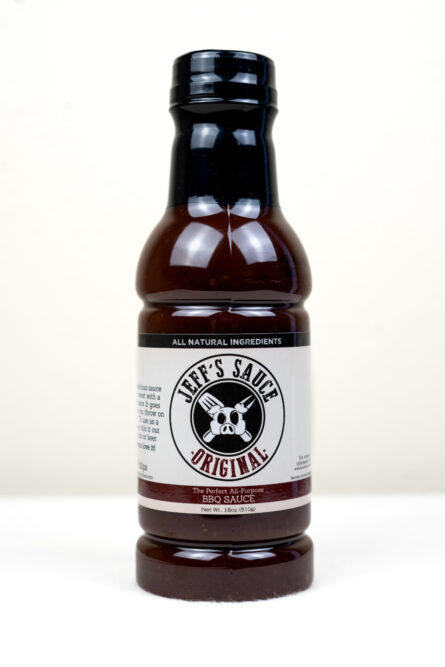
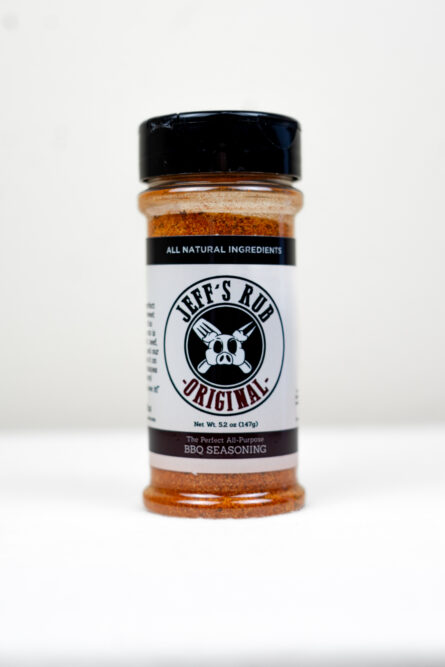
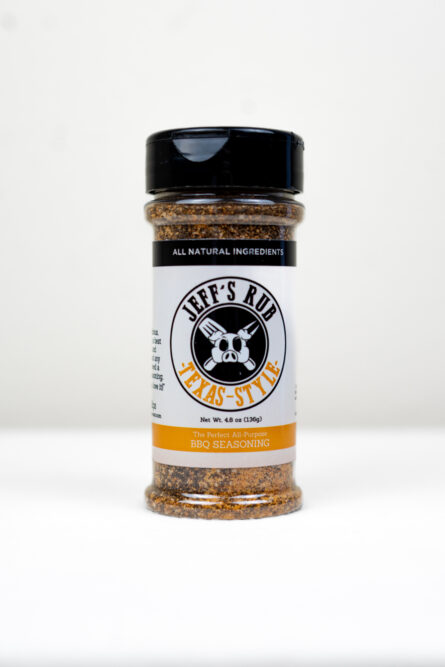
If you'd rather start with a ready-made rub, I make a small-batch, lower-salt barbecue rub that's designed specifically for traditional barbecue like pork butt and pulled pork. It produces excellent bark while balancing sweetness, savory flavor, and smoke without overpowering the meat.
You can learn more about it in my online store.
Does the Rub Affect Bark?
Absolutely.
The rub plays a major role in bark development, although it isn't the only factor.
Sugar contributes to caramelization and helps create the deep mahogany color many people associate with great barbecue. Black pepper and the remaining spices add texture and complexity as they combine with rendered fat and smoke during the cook.
At the same time, bark also depends on steady cooking temperatures, good airflow inside the smoker, and whether or not you choose to wrap the pork later in the cook.
The seasoning provides the foundation, but the way you manage the cook ultimately determines how that bark develops.
If you're planning to wrap your pork butt, my guide on wrapping pork butt explains how that decision affects bark texture.
Should You Add Sauce Later?
The rub and the sauce each have their own job.
The rub creates the foundation of the flavor during the cook, while the sauce becomes an optional finishing touch after the pork has been pulled.
I generally don't recommend applying barbecue sauce while the pork is still smoking unless you're intentionally trying to create a sticky glaze.
Instead, let the bark and seasoning do their work first, then decide whether the finished pulled pork needs sauce at all.
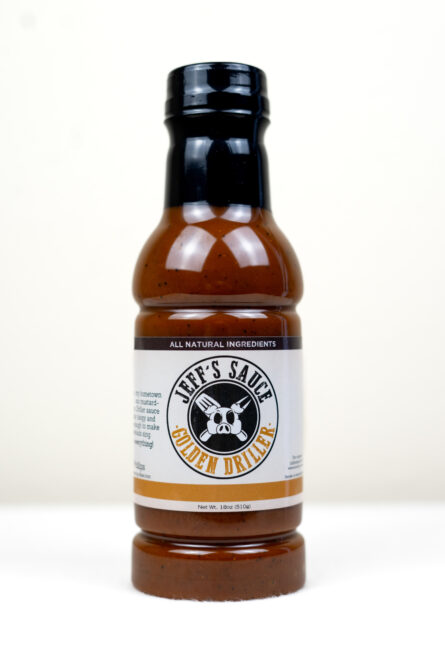
If you're looking for ideas on pairing sauces with your seasoning, be sure to read my guide on the best sauce for pulled pork.
Final Recommendation
If you're just getting started, don't overcomplicate your seasoning.
A balanced rub with salt, pepper, paprika, garlic, onion, and just enough sweetness to complement the smoke is a great place to begin. Once you've cooked a few pork butts, you'll naturally discover whether you prefer a sweeter profile, a little more heat, or a more savory approach.
The nice thing about pork butt is that it's forgiving and responds well to bold seasoning without losing its identity.
Choose a good rub, apply it generously, pair it with clean smoke, cook the pork until it's truly tender, and give it a proper rest before pulling it apart.
The rest will take care of itself.
Don’t Lose This Article
Enter your email and I’ll send a link to this article straight to your inbox so you can read it anytime.
Join the Smoking Meat Community
Have a question about this technique or want help with your next cook?
Join the conversation with other backyard pitmasters.