

The Ultimate Guide to Smokers: Types, Uses, and How to Choose the Best One

I may earn a commission if you buy through links on this page, at no extra cost to you.
Choosing a smoker gets a whole lot easier once you decide how you want to cook, how much time you want to spend tending a fire and how much food you usually need to fit inside. You can make good barbecue on any of the common smoker types, but they go about producing heat and smoke in different ways.
$19/year
Less than $1.60 a month, billed annually.
Renews yearly until canceled.
Already a member? Log In
If you already own a smoker, you don’t have to start over with different equipment to learn something useful here. This guide explains the main cooker types and takes you to the instructions for the one you have, along with the charcoal methods, smoking accessories and maintenance guides that go with it.
How to Use This Smoker Guide
Start with the cooker section that matches your equipment, then follow its link to the complete beginner’s guide. If you’re still deciding what to buy, read the comparisons and how to choose a smoker before worrying about accessories.
For a new cooker, seasoning and the initial burn-in come before the first meal. After that, the guides on temperature control and smoking wood will help you understand the heat and smoke, while shutting down and cleaning finish the job.
What Makes a Smoker Different From a Grill?
A smoker cooks food with heat and wood smoke, usually with the food separated from the direct fire. A grill can do the same job when you arrange it for indirect heat and provide a suitable smoke source, which is why a kettle or gas grill can be useful for smoking even though it isn’t a dedicated smoker.
Smoking doesn’t always mean the lowest possible temperature, and it isn’t limited to tough cuts that need an all-day cook. The setup and temperature should suit the food, whether that means a long pork butt cook or a shorter cook for chicken, turkey breast or pork tenderloin.
The practical differences between cookers are how they generate heat, how they produce smoke, how well you can control the cooking environment and how much attention they need from you.
Pellet Grills
A pellet grill feeds cooking pellets from a hopper into a small fire pot, with a controller managing the fuel feed and fan to hold the cooking temperature. That takes much of the repeated fire tending out of a long cook, although you still need to monitor the food, keep enough dry pellets available and maintain the grease and ash systems.
Many horizontal pellet grills also roast and bake well, while their ability to sear over direct heat depends on the design. Vertical pellet cabinets use the same general fuel system but offer a different arrangement of racks and cooking space, so they shouldn’t be treated as interchangeable with a horizontal grill.
Read How to Smoke on a Pellet Grill for setup, pellets, cooking temperatures and getting useful smoke flavor.
Offset Smokers
An offset has a firebox beside the main cooking chamber, allowing heat and smoke to travel across the food before leaving through the exhaust. Many are run primarily with wood splits over a coal bed, which makes tending the fire a regular part of the cook.
This is a good fit when you enjoy working with a live fire and have the time and space for it. A conventional offset and a reverse-flow offset route heat differently, but both depend on establishing a useful fire and adding fuel before it falls too far behind.
Read How to Smoke on an Offset Smoker for building the coal bed, adding splits and keeping the fire burning cleanly.
Charcoal Bullet and Cabinet Smokers
A conventional charcoal smoker uses charcoal for cooking heat, with wood added for smoke flavor. Bullet smokers, including the Weber Smokey Mountain, and charcoal cabinets can hold a supply of unlit fuel that gradually catches as the fire moves through it.
The amount of charcoal actively burning and the airflow reaching it determine how much heat the cooker produces. Some designs use a water pan or another heat shield between the fuel and the food, and keeping those components in their intended positions is part of learning the cooker.
Read How to Smoke on a Charcoal Smoker for fuel arrangements, airflow and maintaining the cook.
Kettle Grills
A kettle can smoke meat very well when the charcoal is arranged to leave an indirect area for the food. It’s a useful option if you already own one, especially when you want to learn charcoal cooking without making room for another cooker.
The limited grate area means you need to plan how much space the charcoal, food and any drip pan will take up. For longer cooks, a connected charcoal snake or another controlled fuel arrangement can reduce how often you need to add charcoal.
Read How to Smoke on a Kettle Grill for setting up the cooking area and choosing a charcoal arrangement.
Kamado Grills
Kamado cookers use charcoal in a well-insulated body, commonly ceramic, although insulated steel versions also exist. They can maintain low cooking heat with a relatively small fire and can also cook at much higher temperatures when configured for grilling.
For smoking, a heat deflector usually separates the food from the direct fire. Their heat retention is useful during long cooks, but it also means recovering from a large temperature overshoot can take patience, so bringing one up to temperature gradually is worth learning.
Read How to Smoke on a Kamado Grill for lighting, the indirect setup and vent adjustments.
Drum Smokers
A drum smoker holds a charcoal basket beneath the cooking area inside an upright steel body. Depending on the design, food cooks on a grate, hangs from hooks or uses a combination of the two, and some drums let drippings fall onto the coals while others use a diffuser.
Those differences affect the cooking experience, so start with the arrangement your drum was designed to use rather than adding a pan or changing the fire setup simply because another smoker uses one. A hanging cooker also needs enough clearance to keep the food away from the fuel.
Read How to Smoke on a Drum Smoker for grate cooking, hanging, fuel loading and fire management.
Gravity-Fed Charcoal Smokers
A gravity-fed cooker supplies charcoal from a hopper as the fuel beneath it burns. Many backyard versions use a controller and fan to regulate heat, giving you some of the convenience of automatic temperature control while cooking over charcoal.
Although the display can look similar to a pellet grill’s controller, the fuel and shutdown systems work differently. The hopper contains a charcoal fire, and turning off the electronics alone doesn’t necessarily extinguish it.
Read How to Smoke on a Gravity-Fed Charcoal Smoker for lighting, refilling, controller operation and the complete shutdown routine.
Electric Smokers
A typical electric cabinet smoker uses a heating element for cooking heat and a separate wood tray for smoke. The controller handles the element, while you keep track of the food, replenish the wood as needed and manage the water pan if the setup uses one.
This makes an electric cabinet convenient when you want a relatively simple cooking routine. Heating elements cycle on and off, however, so learning how that affects the wood tray helps when the cabinet is hot but a fresh load of chips hasn’t started smoking.
Read How to Smoke on an Electric Smoker for preheating, wood chips, water-pan use and troubleshooting.
Propane Smokers
A propane cabinet uses a gas burner to heat the cooking chamber and wood tray, with racks above the heat source. Many also have a water pan between the burner area and the food.
They’re convenient for cooks who prefer a gas heat source, but the burner flame, wood supply and water level still need attention. Keeping the gas system in sound condition and understanding the lighting routine matter just as much as choosing the knob setting.
Read How to Smoke on a Propane Smoker for preparing the cabinet, lighting the burner and managing wood and water.
Gas Grills Used for Smoking
If your gas grill has room to cook indirectly, you may already have a useful way to smoke smaller meals. Keep the food away from the operating burner’s direct heat and add a suitable smoke source, such as a smoker box, foil packet or pellet tube.
The challenge is keeping enough indirect space while maintaining the temperature you need, especially on a small grill. A grill used this way also loses heat and smoke when the lid is opened, so planning the setup before lighting makes the cook easier.
Read How to Smoke on a Gas Grill for burner arrangements, smoke sources and food placement.
How to Choose the Right Smoker
Start with the cooker you already have if it can do the job. A kettle or gas grill may be enough to find out whether you enjoy smoking meat, and learning on familiar equipment can be more useful than buying something larger before you know what you need.
If convenience is the priority, look at pellet grills, electric cabinets and controller-equipped gravity-fed charcoal cookers, while remembering that automated temperature control still leaves you responsible for the food and the condition of the cooker. If tending a fire is part of what you enjoy, a charcoal cooker or offset gives you more of that hands-on work.
Consider usable cooking space rather than just the total grate-area figure. Think about whether your usual meal is a few pieces of chicken, a full brisket or several racks of ribs, and whether those foods fit without crowding the heat source, walls or airflow passages.
Also consider where the smoker will sit, how you’ll store fuel, whether you have the electrical supply it needs and whether you can comfortably move and clean it. The useful choice is the one that suits the way you actually cook, including the amount of fire tending and cleanup you’re willing to do.
Smoker Comparison at a Glance
| Cooker | Heat and control | What to consider |
|---|---|---|
| Pellet grill | Pellets; usually automatic fuel and fan control | Convenience, with electrical power and dry pellet storage |
| Offset | Wood or charcoal; fire tended during the cook | Hands-on fire management and room for fuel |
| Charcoal bullet or cabinet | Charcoal with added smoking wood | Long cooks with fuel and airflow managed together |
| Kettle | Charcoal arranged for indirect heat | Making use of a versatile grill with limited grate space |
| Kamado | Charcoal in a well-insulated body | Smoking and grilling, with gradual temperature adjustments |
| Drum | Charcoal basket beneath grates or hanging food | A straightforward cooker with a setup specific to its design |
| Gravity-fed charcoal | Charcoal hopper; many use a controller and fan | Automatic heat control with charcoal-specific fuel and shutdown routines |
| Electric cabinet | Electric element with a separate wood tray | Simple heat control, with attention to wood and water |
| Propane cabinet | Gas burner with a separate wood tray | Gas cooking heat, with flame, wood and water monitored |
| Gas grill | Burners plus a smoker box, packet or tube | Smoking on existing equipment with room for indirect cooking |
Charcoal Methods and Fuel Guides
If you’re unsure which fuel to use, start with lump charcoal vs briquettes. For lighting a separate batch, the charcoal chimney guide shows the process with photos.
The Minion method starts with a smaller amount of lit charcoal among a reserve of unlit fuel, while the snake method follows a connected path of charcoal around a suitable grill. They serve a similar purpose during longer cooks, but their arrangements aren’t identical and neither belongs in every cooker.
Two-zone grilling explains how to separate direct and indirect heat on charcoal and gas grills. It describes the cooking areas rather than a particular way of making charcoal burn for hours.
Water Pans and Smoking Accessories
The water-pan guide explains when a pan helps, where it belongs and why plain water is usually the sensible choice. I don’t generally think a water pan is needed on a pellet grill, although the guide covers where I recommend putting a shallow pan if you want to use one.
For a gas grill, learn how to use a smoker box or make a foil woodchip pack. A pellet tube provides another smoke source when it has enough airflow, and can also supplement smoke in other suitable cookers.
Temperature, Airflow and Smoking Wood
Once you have the cooker set up, use the temperature-control pillar for the detailed guides on vents, fuel management and weather. Measuring near the food and finding hot and cold zones will help you understand what is happening across the cooking area.
The Smoking Wood Guide covers wood choices and related techniques, including matching wood to the way your smoker operates and managing a fire for clean smoke. These subjects already have their own guides, so you can follow the part you need without working through the whole series.
Seasoning, Shutdown and Cleaning
Before the first cook, use How to Season a Smoker to understand initial cleaning, oiling where appropriate and the first burn. Ceramic interiors, electrical components and coated surfaces don’t all need the same treatment.
After cooking, follow the routine for your fuel system in How to Shut Down a Smoker, then use How to Clean Your Smoker for cold ash, grease, grates and storage. Keeping those jobs manageable makes it much easier to be ready for the next cook.
You don’t have to master every type of smoker to make good barbecue. Pick the guide that matches your cooker, get comfortable with its normal setup and learn what it does over a few cooks before changing several things at once.
Don’t Lose This Article
Enter your email and I’ll send a link to this article straight to your inbox so you can read it anytime.
Join the Smoking Meat Community
Have a question about this technique or want help with your next cook?
Join the conversation with other backyard pitmasters.
From my backyard to yours
Jeff’s Handcrafted
Seasoning and Sauce
The rubs and sauces I use in my own backyard
and throughout these recipes.
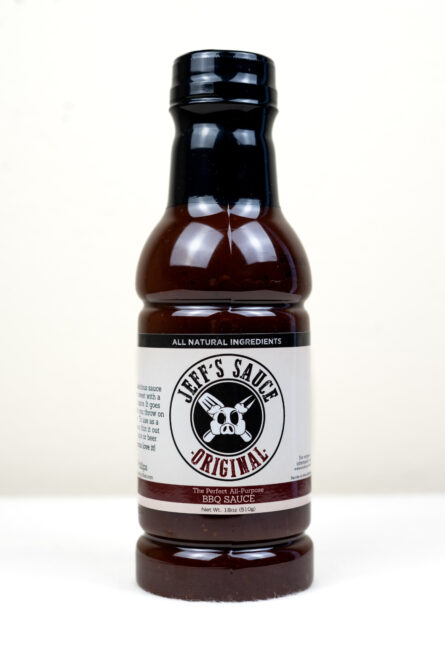
CLASSIC BARBECUE
Original BBQ Sauce
Rich tomato flavor, balanced sweetness and a gentle kick.
$8.99per bottle
Shop Now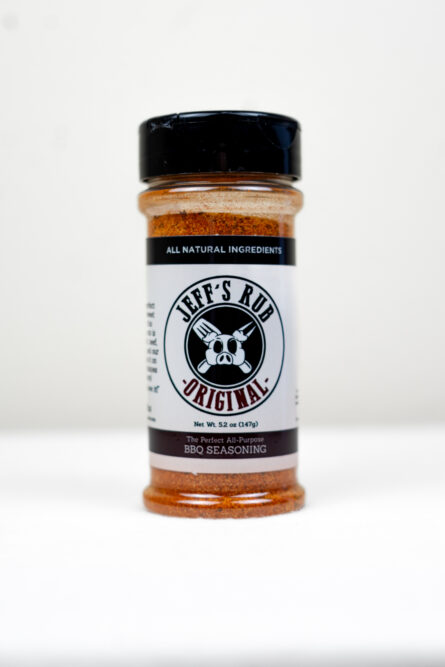
THE SIGNATURE BLEND
Original Rub
Sweet, savory and a touch of heat for your next cook.
$8.99per bottle
Shop Now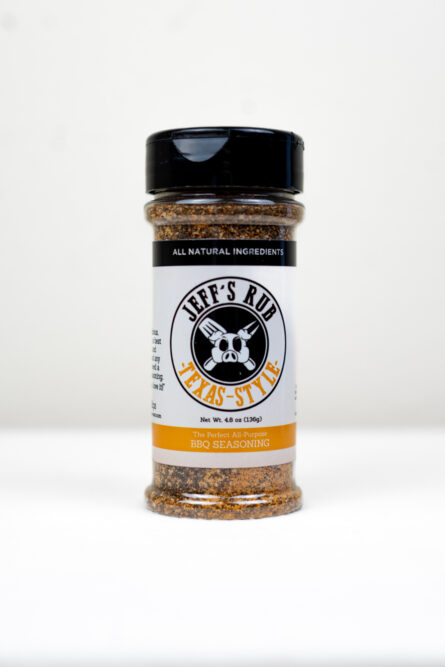
BOLD & PEPPERY
Texas Style Rub
Pepper forward flavor for brisket, steaks and more.
$8.99per bottle
Shop Now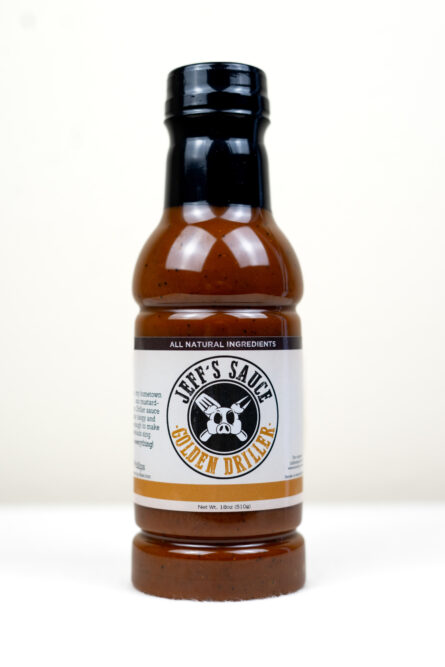
MUSTARD BBQ SAUCE
Golden Driller
Smooth mustard tang with just the right sweetness.
$8.99per bottle
Shop NowFind your next favorite at Thin Blue Foods

If you’re torn between a separate smoker or grill, you don’t actually have to choose. I use a pellet and propane combination that offers a much smaller footprint than two separate units. It features two dedicated cooking sections, and while it might not fit two massive 15lb briskets at once, it handles large cuts or three full racks of ribs with ease.
The real win here is the pellet temperature control—it’s incredibly simple and reliable. Then, on nights when I just want a quick burger or steak, the gas side fires up instantly, saving me from the longer prep time of charcoal or wood sticks.
Uh, just FYI 15lb brisket isn’t massive – it’s medium size at best. I typically smoke 22-24 lb briskets, so it definitely would not accomodate those. I have an XL BGE, but I am looking at a beginner grill/smoker for my college aged son. I really don’t want to spend $500 on it. What size do you have?
Yep, 15lb is not massive, but now it’s only for my wife and I now and it plenty large, even smoking/grilling for friends. It is a Cuisinart Twin Oaks model GAS356AS, however, they stopped making them. Search for “hybrid pellet smoker gas grill combo” and you’ll find some. Mine was $600, but I’ve seen them for $400 in the off season. I’ve had mine for about 5 years, use it weekly. The cooking grates are 18″x19″ and that’s for each the smoker (pellet) and the gas side. The gas has a separate side burner that evens out the visual pellet hopper. It comes with a full-sized griddle for the gas side and stores on the combo. It also has 2 bluetooth temperature probes that also stores on the combo. It sits 68″L x 48″H x 24″W while large, it has large heavy duty casters to easily move around. I’m sure you can find a less expensive/smaller pellet grill for your son.
That sounds about what I want as I don’t do briskets at all. What are you using?
Popeye – see my reply to Tim Carter for more details on my combo. It’s a Cuisinart Twin Oaks. The size and functionality are perfect for me. It takes less than 20 minutes to get the pellet grill up to temp (typical pellet smoker time), and near instant for gas 3-burner grill with side grill.