

How to Make a Foil Woodchip Pack

I may earn a commission if you buy through links on this page, at no extra cost to you.
I often have folks ask whether they should soak wood chips before using them, and my answer is that it isn’t necessary. If the problem is that a handful of chips disappears into flames before it produces much useful smoke, a simple foil woodchip pack gives you a way to slow things down without adding a soaking step.
$19/year
Less than $1.60 a month, billed annually.
Renews yearly until canceled.
Already a member? Log In
The foil holds the chips together and limits how much air reaches them, while a few small holes let the smoke escape. You can make a packet in just a few minutes using foil and the wood chips you already have, then place it where it receives enough heat to start smoking.
Why I Use Dry Wood Chips
Soaking adds water that has to heat up and evaporate before the chips get hot enough to smoke well. It doesn’t stop the wood from eventually burning, and I’d rather manage the heat and airflow around dry chips than wait for a wet handful to dry out inside the grill.
A folded packet helps with that airflow, although it isn’t a guarantee that the chips can never flame. Large openings, torn foil and too much direct heat can still let them burn more aggressively than you want.
What You’ll Need
You’ll need heavy-duty aluminum foil, a handful of dry cooking wood chips and a fork or another small pointed tool for making the smoke holes. Have long tongs and heat-resistant gloves available for handling the packet once it is hot.
Pecan is one of my favorites, although apple, cherry, oak and hickory also work well. Choose the wood you enjoy with the food you’re cooking, and use my Smoking Wood Guide if you need help deciding. Use wood intended for cooking rather than scraps that may contain paint, glue or other treatments.
How to Make a Foil Woodchip Pack
Start With a Handful of Chips
Tear off a piece of foil large enough to fold around the chips with overlapping edges. An 18-inch square gives you plenty of room, while a smaller sheet works for a smaller packet. Heavy-duty foil holds up better during folding and handling, or you can use two layers of thinner foil.
Get My Free Smoking Chart
Get my printable Smoking Times & Temperatures chart in °F and °C, ready to keep beside the smoker.
Lay the foil flat and place a handful of dry chips in the center, spreading them into a low mound rather than piling them into a thick ball. You want a manageable packet that heats readily and leaves room for the edges to fold over.

Fold the Foil Around the Wood
Fold one side over the chips, then bring the opposite side across so the foil overlaps. Fold the remaining ends over to enclose the wood, pressing the seams down firmly enough that they stay closed when you lift the packet.

Keep the package fairly flat without crushing the chips into a tightly compressed lump. The folds should contain the wood with no large open ends, since you’ll provide the small openings for smoke in the next step.

Make a Few Small Holes in the Top
Use a fork or another pointed tool to make about four to eight small holes through the top layer of foil. There’s no need to turn the packet into a colander, and you don’t need to poke matching holes through the bottom.
Start with small openings and keep the folded seams closed. If you tear a large opening while making the packet, wrap it in another piece of foil and make fresh holes before putting it on the heat.

Where to Put the Packet on a Gas Grill
The packet needs heat from an operating burner, while the food you’re smoking needs an indirect cooking area. A straightforward starting position is on the cooking grate above a lit burner, with the holes facing up, as shown in my photo below.
Keep it securely supported where you can reach it with long tongs, and leave burner openings, air passages and grease drainage clear. Don’t lay it directly on a gas burner tube or wrap foil around the burner. If the packet won’t smoke on the grate, work on the burner setting or use a smoke source better suited to that grill rather than pushing foil into the gas system.

My guide to smoking on a gas grill explains the full cooking setup, and the two-zone grilling guide shows how the heated side and indirect side work together.
Using a Packet With Charcoal
On a charcoal cooker, the packet can sit on top of the burning coals or on a supported grate close enough above them to receive useful heat. Keep the holes facing up and avoid burying it beneath a load of charcoal, where you can’t reach it and the foil is likely to deteriorate more quickly.
Leave the food in the intended indirect cooking area rather than moving it over the charcoal just because that’s where the packet sits. The packet supplies wood smoke, while the fuel arrangement determines where the strongest cooking heat will be.
For a longer charcoal cook, wood chunks may be more convenient than replacing packets of chips. The charcoal smoker guide and kettle guide explain the fuel and wood arrangements for those cookers.
Get the Packet Smoking Before Adding the Food
Put the packet in position while the grill preheats, then give the wood time to heat through. It may need a higher burner setting to get started than you’ll use for the rest of the cook, so establish the smoke first and then bring the grill to the temperature your recipe calls for.
Look for smoke coming from the small openings, then allow any heavy, sharp-smelling startup smoke to ease before adding the food. You’re looking for a useful flow of smoke, not the largest cloud you can make, and a packet doesn’t need to pour out dense smoke to be doing its job.
Keep the lid closed during indirect cooking except when you need to check, turn or move the food. Opening it repeatedly makes it harder to maintain the cooking temperature and sends the smoke out each time.
How Long Does a Packet Last?
That depends on the amount and size of the chips, how much heat reaches the foil and how the packet is folded. A small packet sitting over intense heat can finish much sooner than the same amount of wood in a gentler position, so there isn’t a replacement interval that works for every grill.
Use the first cook to learn how your setup behaves, then keep the packet size and placement reasonably consistent while you get familiar with it. Making the packet much thicker isn’t always the answer to a short burn, since the chips in the middle may take longer to heat.
When Should You Add Another Packet?
If the wood has finished smoking and you still want more smoke flavor, replace the packet with a fresh one using gloves and long tongs. Plan a reachable location before the cook so you aren’t lifting a large hot grate with food on it to retrieve a small piece of foil.
You don’t automatically need fresh packets for the entire cooking time. A shorter cook may only need one, while a longer cook may benefit from additional packets during the earlier part of the cook, depending on the food and how much smoke flavor you enjoy.
Once the food is wrapped in foil, adding another smoke packet won’t do much for the food inside that wrapping. Keep managing the cooking heat and finish according to the recipe rather than replacing wood simply because there is still time left on the clock.
I like to make eight or ten packets ahead of time and have them ready when I need them, although they’re quick enough to fold as needed. Keep the unused packets dry and away from the hot grill so you can grab one without stopping to prepare it during the cook.
If the Packet Won’t Smoke
First check whether it is actually receiving enough heat. A packet sitting over an unlit burner on the indirect side may stay too cool even though the grill’s thermometer shows a reasonable cooking temperature.
Use dry chips, keep the packet relatively flat and make sure you included small openings in the top. Give it time to heat before assuming it needs more wood, and make any changes to the folds or holes while the packet is cold rather than opening hot foil to inspect the contents.
If the Chips Catch Fire or Burn Too Quickly
Check for large holes, open seams or torn foil that let too much air reach the wood, along with a position that exposes the packet to more heat than it needs. Use smaller openings and sound folds on the next packet, and adjust the heat reaching it once the wood is smoking.
Don’t unfold a hot packet to rearrange burning chips. If a packet needs repositioning, use gloves and long tongs and move it only when you can do so without scattering its contents or reaching across the fire.
If the food tastes harsh or bitter, look at the amount of wood and the quality of the smoke rather than assuming it needs still more chips. My guide to clean smoke and fire management explains why more visible smoke isn’t always better.
Foil Packet, Smoker Box or Pellet Tube?
A foil packet is convenient when you want to use a handful of chips without another piece of equipment. If you smoke on the gas grill often, a reusable smoker box gives you a container you can load again for the next cook.
A separately lit pellet tube is another option, especially when you want a smoke source that doesn’t depend on a burner heating a packet. It still needs sufficient airflow to keep the pellets smoldering.
Let Used Packets Cool Before Disposal
The foil and wood inside can remain hot after visible smoke stops, so leave used packets in a safe, heat-resistant location outdoors until the contents are completely extinguished and cold. Don’t put a recently used packet into a trash bag or assume the absence of smoke means it is ready to handle.
The smoker shutdown guide covers finishing the cook with different fuel systems, and my Ultimate Guide to Smokers brings together the cooker instructions and the other setup guides.
Don’t Lose This Article
Enter your email and I’ll send a link to this article straight to your inbox so you can read it anytime.
Join the Smoking Meat Community
Have a question about this technique or want help with your next cook?
Join the conversation with other backyard pitmasters.
From my backyard to yours
Jeff’s Handcrafted
Seasoning and Sauce
The rubs and sauces I use in my own backyard
and throughout these recipes.
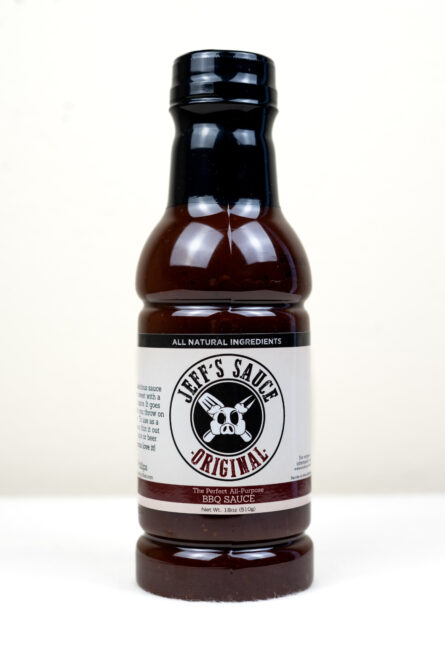
CLASSIC BARBECUE
Original BBQ Sauce
Rich tomato flavor, balanced sweetness and a gentle kick.
$8.99per bottle
Shop Now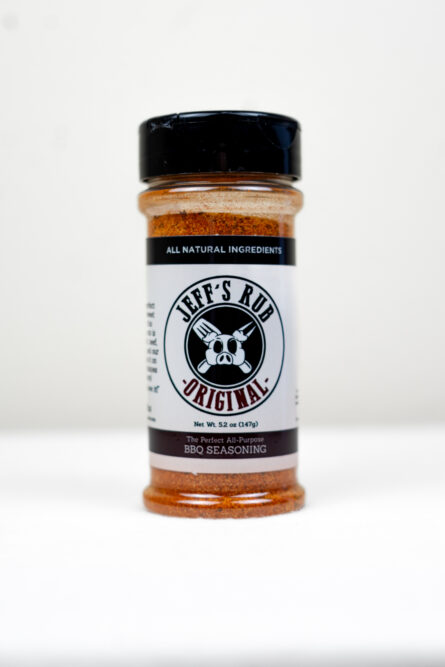
THE SIGNATURE BLEND
Original Rub
Sweet, savory and a touch of heat for your next cook.
$8.99per bottle
Shop Now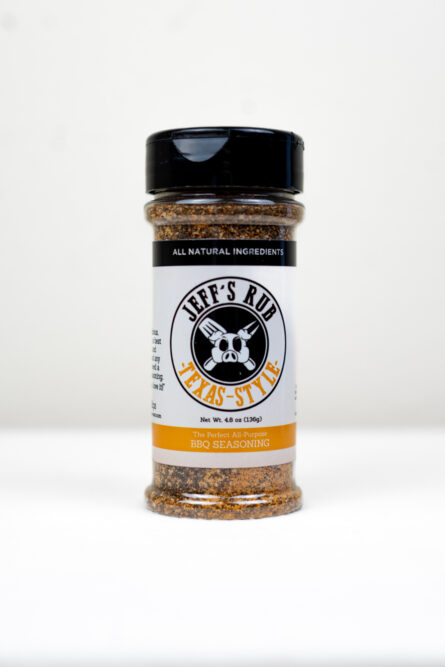
BOLD & PEPPERY
Texas Style Rub
Pepper forward flavor for brisket, steaks and more.
$8.99per bottle
Shop Now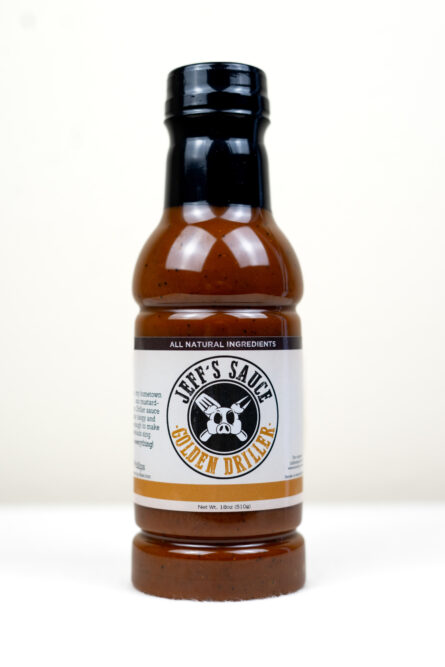
MUSTARD BBQ SAUCE
Golden Driller
Smooth mustard tang with just the right sweetness.
$8.99per bottle
Shop NowFind your next favorite at Thin Blue Foods

I’m gonna try you method and see how it goes. Thanks for the insight.
Most importantly, with soaked wood chips, the steam from the wood chips containd and deposits in the meat a lot of tar from the wood. Dry chips are the only way to go. I talked with a meat shop in Seattle that specialized in excellent smoked meats, including lean applewood smoked round roast pastrami, and they knew dry was the way to go.
I had been using this method in my kamado style smoker/grill up until yesterday. I think I’m going to have to stop because when I removed the spent aluminum pouch for the chips this morning, I discovered that the entire bottom portion of the foil had been burned/sublimated away and therefore must have entered the smoke. Aluminum is a potential neurotoxin and if you don’t have great kidney function, your body isn’t clearing all of it out when you ingest it.
If you do want to keep doing this, I don’t recommend putting any aluminum directly over high temperature flames and placing the pouch away from the hottest portions of your gas grill or coals/briquets.
Thank you Jeff for this useful article. It’s just what I was looking for.
can i put this foil packet of wood chips on the grill of my electric indoor barbeque??
Sharyn, it may work fine if you have a good exhaust hood over your oven and place it there, otherwise, it could get too smoky in the house and cause the smoke alarms to go off.
They make indoor stovetop smokers that work pretty well if you need that option. They don’t produce a ton of smoke but I do use mine with the exhaust hood fan on high.
Jeff, how long will a wood chip foil pack last at about 225-250 on a gas grill? Thanks!
It depends on how close it is to the flames and the heat level but I can usually get 20-30 minutes out of a single pack. Make several ahead of time and it’s an easy change-out.
I really enjoyed your comments on smokinh wirh wood chips when you show about wood chip packs.
Let me ask you, just how effective is a pellet grill for smoking, such as ribs, brisket or chicken? I am entertaining buying a pellet grill for use as a smoker, as well as grilling. What is your opinion?
Marc, it depends on the brand/model that you purchase as some of them work well and some do not. If you are interested in tech. then I recommend the REC TEC Bull RT-700. It is run by a PID controller and holds and absolute precise temperature for hours on end. It also connects to your Wi-Fi and allows you to turn it on/off, modify the temperature of the smoker, and monitor the temperature of what you are cooking via the built-in dual probes.
If you are not interested in absolute precise temperatures or the high tech features, then I recommend the Camp Chef Woodwind SG which holds a temperature range of +/- about 20 degrees. It also has some other really nice features like hopper cleanout chute, 2nd grate comes standard, propane-powered searbox, and the ability to clean out the ashes from outside the smoker without removing the inside components. It is also a couple hundred dollars less than the REC TEC Bull.
I have found myself using the REC TEC more and more over the last few months due to how well it cooks, the flavor that I get from it, and the ability to monitor and control the temperature from wherever I am.
The Traeger and Pit Boss are also good brands but lack some of the features that the Camp Chef and REC TEC have.