
Best Sauce for Pulled Pork

Smoking-Meat.com is supported by its readers. We may earn an affiliate commission at no extra cost to you if you buy through a link on this page.
Pulled pork has so much natural flavor that it doesn't actually need sauce to be enjoyable. A well-seasoned pork butt that's been smoked until tender can stand on its own with nothing more than a little bark mixed into every bite.
That said, the right sauce can take pulled pork to another level.
If my recipes and barbecue guides have helped you over the years, becoming a member is one of the best ways to support my family's business. As a thank you, you'll enjoy every recipe and article completely ad free for less than $2 a month.
Ad free • Instant access • Cancel anytime
Want Everything in One Place?
Download the Pork Butt Field Manual and keep the full cook timeline, stall breakdown, tenderness cues, temperature chart, and cook log right beside your smoker.
Free printable PDF. Instant access.
The trick is remembering that sauce should complement the pork instead of covering it up. You've already spent hours building flavor with your rub, your smoke, and your cooking technique, so the sauce should bring those flavors together rather than replace them.
If you're still learning the entire process, start with my complete guide on how to smoke a pork butt from start to finish before choosing a sauce.
The Four Classic Pulled Pork Sauce Styles
One of the things I enjoy most about barbecue is that there isn't just one “correct” sauce for pulled pork.
Different regions of the country have developed their own traditions over generations, and each one highlights the pork in a slightly different way. None of them are right or wrong. It simply comes down to the flavor profile you enjoy most.
Sweet Tomato-Based Sauce
When most people think of barbecue sauce, this is probably what comes to mind.
A tomato-based sauce usually has a balanced combination of sweetness, tanginess, and just enough spice to complement the meat without overwhelming it. It works especially well with pork that's been seasoned with a sweet or balanced rub and smoked over oak or hickory.
If you're piling pulled pork onto sandwiches for a backyard cookout, this is a classic choice that almost everyone enjoys.
Vinegar-Based Sauce
Vinegar sauces take a completely different approach.
Instead of adding richness and sweetness, they brighten the pork with a sharp, tangy flavor that cuts through the rendered fat and makes each bite seem a little lighter.
This style has deep roots in Eastern North Carolina barbecue and pairs beautifully with pepper-forward rubs and bold smoke flavors. If you enjoy barbecue that lets the pork remain the star of the meal, a vinegar sauce is definitely worth trying.
Mustard-Based Sauce
Mustard-based barbecue sauce has become one of my favorite ways to serve pulled pork.
It offers plenty of tanginess, a little sweetness, and just enough richness to add another layer of flavor without becoming heavy. The mustard complements pork naturally, which is one reason this style has been popular in South Carolina for so many years.
If you enjoy pulled pork but find traditional sweet sauces a little overpowering, a good mustard sauce is an excellent alternative.
Spicy Sauce
Some people prefer their barbecue with a little extra kick.
A spicy sauce can be built on either a tomato or vinegar base, with peppers providing most of the personality. It works particularly well with savory rubs and is a great choice when serving pulled pork in tacos, burrito bowls, or other dishes where a little extra heat helps balance the remaining ingredients.
The goal isn't to make the pork painfully hot. It's simply to add another layer of flavor for people who enjoy a little spice.
Should You Sauce Pulled Pork Before Serving?
There are several good ways to serve sauce, and none of them is automatically better than the others.
Some people prefer serving sauce on the side so everyone can season their own sandwich exactly the way they like it. This also preserves the bark better because the pulled pork isn't sitting in sauce while it waits to be served.
Another popular approach is lightly tossing the pulled pork with just enough sauce to add moisture and distribute a little flavor throughout the meat, then serving additional sauce at the table for anyone who wants more.
Completely coating the pork in sauce is usually something I reserve for large catered events or situations where consistency is more important than preserving the individual flavor of the bark.
For most backyard cooks, I think lightly saucing the pork and offering extra sauce on the side gives you the best of both worlds.
If you'd like a few tips on mixing bark evenly throughout the meat before adding sauce, be sure to read my guide on how to pull pork the right way.
Matching Sauce to Your Rub
One of the easiest ways to choose a sauce is to think about the seasoning that's already on the pork.
If you've used a sweeter rub, a pepper-forward tomato sauce or a tangy vinegar sauce often provides a nice contrast instead of adding even more sweetness.
A savory rub works beautifully with either a traditional tomato sauce or a mustard-based sauce because both complement the deeper spice profile without overpowering it.
If you've intentionally kept your rub low in sugar, you also have a little more flexibility to use a sweeter sauce without the finished pork becoming overly sweet.
The goal is to let the rub and the sauce work together rather than compete for attention.
If you're still deciding how to season your pork butt, take a look at my guide on the best rub for pork butt.
A Ready-Made Option
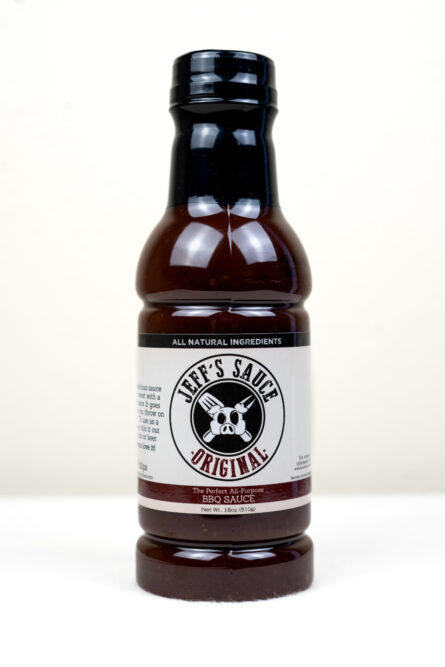
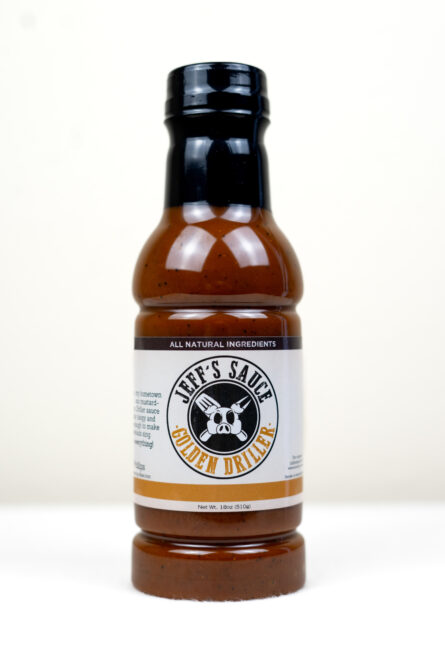
If you'd rather not make your own sauce, I offer two small-batch barbecue sauces that were developed specifically for smoked meats.
My Original BBQ Sauce is tomato based with balanced sweetness, plenty of black pepper, and enough depth to complement smoked pork without hiding its natural flavor. My Golden Driller Mustard Sauce takes a different approach, combining tangy mustard with just enough sweetness and spice to make it a perfect match for pulled pork.
Both sauces are thick enough to stay on a sandwich, yet balanced enough to let the smoke, bark, and seasoning remain the stars of the meal.
You can find both in my online store.
How Much Sauce Should You Use?
One of the biggest mistakes people make is assuming that more sauce automatically means better pulled pork.
In my experience, the opposite is usually true.
Start with a small amount, mix it thoroughly, and taste the pork before deciding whether it needs more. It's easy to add another spoonful, but once the pork is swimming in sauce, there's no easy way to take it back.
The pork should still taste like pork first, with the smoke, seasoning, and bark all playing their part. The sauce is simply there to tie everything together.
Final Thoughts
The best sauce for pulled pork isn't determined by where you live or what style of barbecue someone else prefers.
It's the sauce that complements your rub, your smoke, and the flavor you're trying to create.
Whether you reach for a sweet tomato sauce, a tangy vinegar sauce, a rich mustard sauce, or something with a little more heat, use it with a light hand and let the pork remain the star of the meal.
When the pork is cooked properly, the sauce doesn't have to carry the barbecue.
It simply helps finish it.
Don’t Lose This Article
Enter your email and I’ll send a link to this article straight to your inbox so you can read it anytime.
Join the Smoking Meat Community
Have a question about this technique or want help with your next cook?
Join the conversation with other backyard pitmasters.