

How to Fix Tough and Rubbery Chicken Skin When Smoking Chicken
Smoking-Meat.com is supported by its readers. We may earn an affiliate commission at no extra cost to you if you buy through a link on this page.
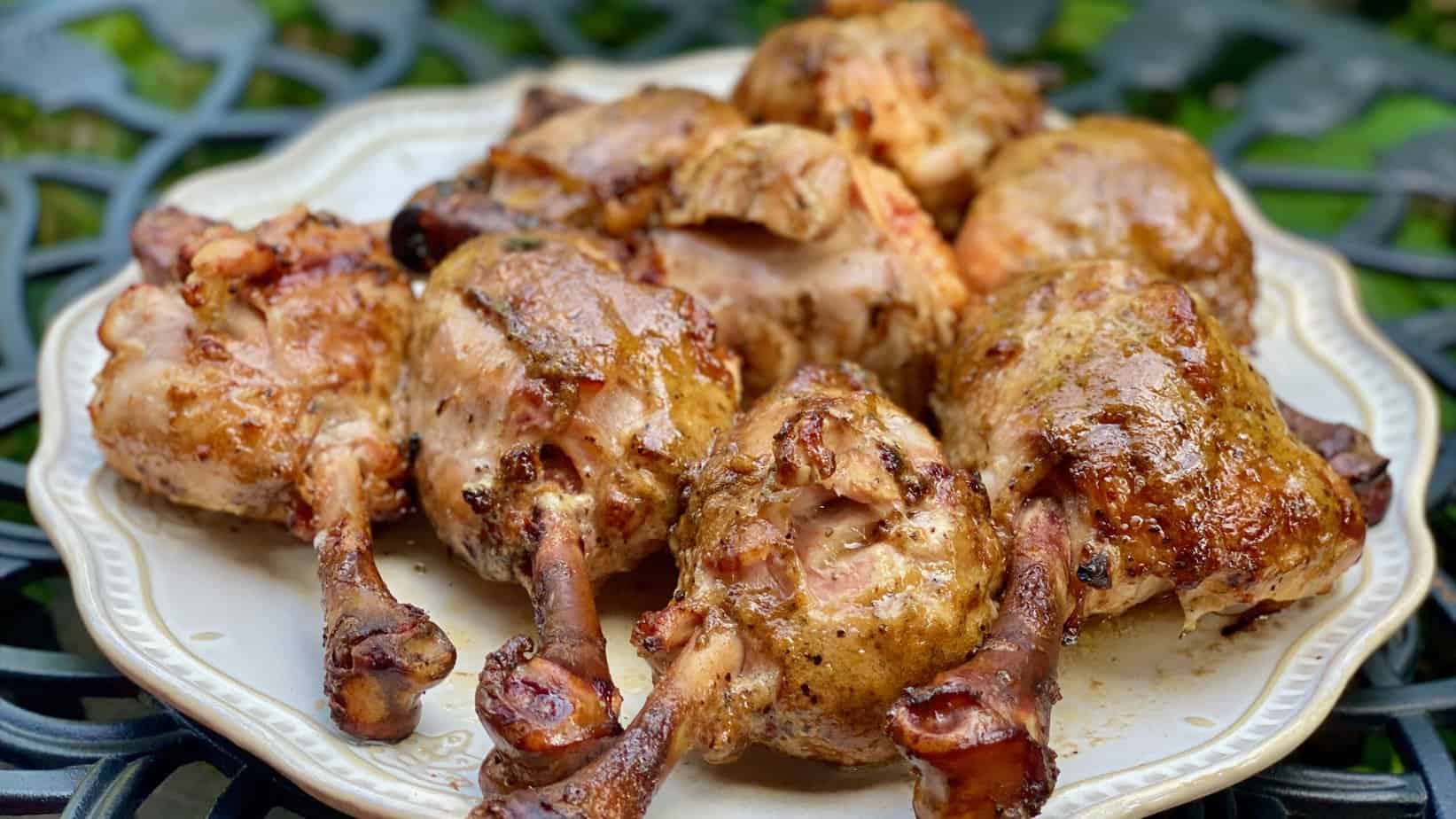
If you have ever smoked chicken and ended up with skin that stretches instead of biting cleanly, you already know how frustrating it can be. The meat may be juicy, the smoke flavor may be right where you want it, but the moment you take a bite, the skin pulls away in one piece instead of giving you that clean bite through texture.
That is not what we are aiming for.
If my recipes and barbecue guides have helped you over the years, becoming a member is one of the best ways to support my family's business. As a thank you, you'll enjoy every recipe and article completely ad free for less than $2 a month.
Ad free • Instant access • Cancel anytime
When smoking meat, especially chicken, we are not trying to recreate deep fried crispiness. A traditional smoker simply does not produce the same dry, high heat environment as a fryer. What we are looking for instead is skin that tightens properly, renders well, and bites cleanly with the meat.
To fix rubbery chicken skin, you have to understand what is actually causing it.
Why Chicken Skin Turns Tough in a Smoker
Chicken skin has a layer of fat underneath it, and that fat must render properly during cooking. If it does not, the skin tightens on the outside while remaining thick and rubbery underneath.
When chicken is cooked at 225°F (107°C) from start to finish, it often reaches a safe internal temperature before the fat beneath the skin has had enough heat to fully render. The result is skin that looks cooked but still feels chewy.
Moisture makes the problem worse. A humid cooking environment, heavy spritzing, or placing a water pan directly under the chicken can keep the surface damp for too long. That surface moisture prevents the skin from tightening properly.
Low temperature builds smoke flavor very well, but it does not automatically produce good skin texture unless you manage the finish correctly.
The Balance Between Smoke Flavor and Skin Texture
Chicken does not stay in the smoker nearly as long as brisket or pork shoulder, so you have a limited window to build smoke flavor.
If you cook entirely at 325°F (163°C), you will improve fat rendering and skin texture, but you shorten your smoke window. If you cook entirely at 225°F (107°C), you gain smoke flavor but risk rubbery skin.
The solution is not choosing one or the other. It is using both at the right time.
Start Low, Then Finish Hot
One of the most reliable methods for improving chicken skin is to begin the cook at 225°F (107°C) so the meat has time to absorb clean smoke, then increase the temperature to 300 to 325°F (149 to 163°C) for the remainder of the cook.
That higher finishing temperature helps render the fat under the skin more completely and tightens the surface without drying the meat out.
This approach works for whole chickens as well as for thighs, drumsticks, and even wings. Smaller cuts still benefit from that early smoke time, especially on pellet smokers where the smoke flavor is more subtle.
If you want a deeper explanation of how these temperatures affect chicken, I break that down further in my guide on the best temperature for smoking chicken.
Dry the Skin Before Cooking
Moisture on the surface of the skin works against you from the very beginning. Patting the chicken completely dry before seasoning and allowing it to rest uncovered in the refrigerator for several hours, or even overnight, helps remove excess surface moisture.
That air drying step makes it easier for the skin to tighten properly during the cook and can noticeably improve texture.
If you are using a dry brine, this step often happens naturally since the chicken rests uncovered in the refrigerator.
Using Baking Powder as a Tool
Baking powder can help improve skin texture when used correctly because it helps dry the surface of the skin and raises its pH slightly. This encourages better browning and can produce a crispier bite.
The best results come from using aluminum free baking powder as part of a dry brine rather than simply mixing it into your rub.
Mix 1 teaspoon of aluminum free baking powder with 1 tablespoon of kosher salt, then apply the mixture evenly over the chicken. Place the chicken on a rack over a baking sheet and let it rest uncovered in the refrigerator for at least 8 hours, or overnight if possible. Just before smoking, apply your favorite seasoning or barbecue rub.
Keep in mind that baking powder is only one part of the process. It works best when combined with dry skin, clean-burning smoke, good airflow, and a higher finishing temperature. By itself, it won't prevent rubbery skin.
When You Want Even Tighter Skin
If you are chasing skin that is closer to crispy, finishing the chicken over direct heat for a few minutes or flash frying it briefly after smoking can tighten the skin dramatically.
For example, smoking the chicken until it reaches about 150 to 155°F (66 to 68°C), then finishing it in 350°F (177°C) oil for a few minutes, can produce very tight skin, especially on smoked chicken wings.
That method is not traditional low and slow smoking, but it is effective when texture is the priority.
What to Avoid
If good skin texture matters to you, avoid keeping the chicken in a constantly humid environment and avoid cooking at 225°F (107°C) from start to finish without increasing the heat.
Also avoid frequent spritzing, which can extend cook time and keep the surface wet longer than necessary.
Managing moisture and finishing temperature correctly solves most skin issues.
The Simple Process
If you want to consistently avoid tough, rubbery chicken skin, follow this process:
- Pat the skin dry and let it air dry in the refrigerator.
- Start the cook at 225°F (107°C) to build smoke flavor.
- Raise the temperature to 300 to 325°F (149 to 163°C) to finish.
- Avoid adding unnecessary surface moisture during the cook.
Once you understand that rubbery skin is usually a fat rendering and moisture management issue, the fix becomes straightforward.
Frequently Asked Questions
Why is my smoked chicken skin rubbery even at 250°F (121°C)?
At 250°F (121°C), you are still in a range where fat may not fully render before the chicken is done. That temperature can build good smoke flavor, but you usually need a hotter finish to improve skin texture.
Should I smoke chicken at 225°F (107°C) or 325°F (163°C)?
Both can work. If you want stronger smoke flavor, start at 225°F (107°C) and then finish at 300 to 325°F (149 to 163°C). If skin texture is your top priority, cooking closer to 325°F (163°C) the entire time will help.
Does baking powder really make chicken skin crispy?
It improves texture, but it does not create deep fried crispiness in a smoker. It helps dry the surface and improves browning. Heat management still plays the biggest role.
Why does the skin pull off in one piece when I bite it?
That usually means the fat under the skin did not render properly. The skin tightens during cooking but stays thick and rubbery instead of thinning out.
Can I get crispy chicken skin in a pellet smoker?
Pellet smokers tend to run slightly humid, which makes true crispiness difficult. You can get good bite through skin by finishing at higher heat. For crispy results, finishing over direct flame or flash frying is more reliable.
Don’t Lose This Article
Enter your email and I’ll send a link to this article straight to your inbox so you can read it anytime.

Hi Jeff, looking forward to crispy skin, when I start off low 107c how do I know when to increase to 163c.
Mr Jeff, you did not go into detail with using baking powder like amount of baking powder per tablespoons of seasoning. Example use 1 teaspoon baking powder per 5 tablespoons seasoning to get us where we need to be with texture.
Daniel, For easier application and clearer understanding, I have changed the baking powder recommendation paragraph to read as follows: If you choose to use it, mix about 1 teaspoon of aluminum free baking powder per ¼ cup of rub or seasoning, apply it to dry skin, and allow the chicken to rest uncovered in the refrigerator before smoking.
This amount will raise the surface ph, dry the skin, and help the browning without noticeably affecting the flavor.