

How to Store and Reheat Smoked Pork Ribs

Smoking-Meat.com is supported by its readers. We may earn an affiliate commission at no extra cost to you if you buy through a link on this page.
After spending an afternoon smoking ribs, it is worth taking a little care with the leftovers so the next meal is something to look forward to. The two things that help most are packaging the ribs before the exposed meat dries out and reheating them covered without leaving them in the heat longer than necessary.
$19/year
Less than $1.60 a month, billed annually.
Renews yearly until canceled.
Already a member? Log In
This applies to smoked baby backs, spare ribs and St. Louis ribs, whether you have a whole rack left or only a few individual bones. You can also use the same covered reheating approach when cooking ribs ahead for a meal, with enough time allowed for them to heat all the way through.
Cool and Refrigerate the Ribs Promptly
Once the meal is over, cut large amounts into manageable sections and arrange them in shallow containers so they can cool promptly in the refrigerator. Do not leave a deep pan of tightly stacked hot racks on the counter for hours waiting for the middle to become cool enough to put away.
The USDA leftovers guidance calls for refrigerating perishable food within two hours, or within one hour when the surrounding temperature is above 90°F (32°C). Keep the refrigerator at 40°F (4°C) or below and use refrigerated leftovers within three to four days, freezing them when you need longer storage.
For the best eating quality, I would rather package the ribs well and use them sooner than push the storage window simply because the calendar allows it. Vacuum sealing is a packaging method, not a reason to keep cooked meat indefinitely in the refrigerator.
Choose Packaging That Keeps Air Away
A shallow covered container or foil pan works well for ribs you plan to eat soon, especially when you keep the portions in a fairly even layer. Once chilled, cover them securely so the refrigerator air does not dry the exposed surfaces.
For freezing, use freezer bags with as much excess air pressed out as practical, or vacuum-seal chilled portions if you have the equipment. Two- or three-bone portions are convenient because you can thaw what you need without having to deal with an entire rack every time.
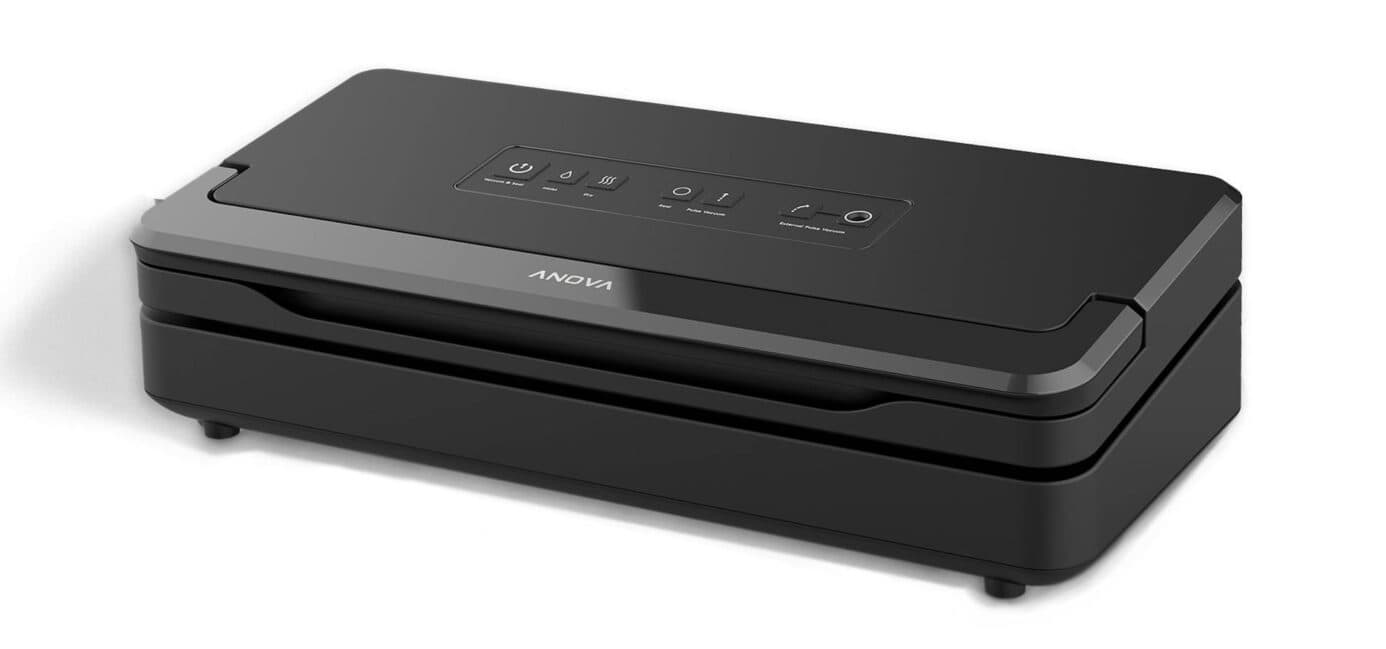
A vacuum sealer is handy for this, and this is one I like. Keep bone ends from puncturing the bag and check the seal before putting the package in the freezer, since a slow leak defeats much of the reason for using it.
Label the package with the date and what is inside, particularly if the ribs already have a strong sauce or glaze. Frozen leftovers are best used within a few months for quality, even though continuously frozen food keeps safely much longer than it keeps its best texture.
Thaw Before Reheating When Practical
Move the sealed ribs to the refrigerator the day before you want them, allowing more time for a large or tightly packed package. Put a tray underneath in case the seal leaks, and give the thickest section enough time to thaw rather than judging only by the outside.
For a faster option, keep the ribs in a leakproof package under cold water, replacing the water every 30 minutes and reheating promptly after thawing. Do not thaw them on the counter, since the outside can warm long before the center is ready.
You can reheat frozen leftovers safely, but the timing becomes less predictable and the outer portions may spend longer in the heat. When the schedule allows it, thawed portions are easier to reheat evenly and check with a thermometer.
My Recommended Method: A Covered Pan in the Oven
Preheat the oven to 325°F (163°C), then remove the ribs from any storage bags and arrange them in a shallow oven-safe pan. Add a small splash of water or some reserved cooking juices if the pan looks dry, using just enough to create moisture under the cover rather than enough to submerge the meat.
Cover tightly with foil and heat until the meat reaches 165°F (74°C), checking in a thick area between the bones without touching bone. Begin checking smaller, thawed portions after about 20 to 30 minutes, while a full rack or a larger pan can take longer; use the thermometer rather than treating those minutes as the endpoint.
The oven temperature is higher than the low cooking temperature used for smoking the ribs, because this step is reheating chilled leftovers. Keeping the pan covered and stopping when the meat is properly heated does more to protect it than leaving it for a long time in an oven that is barely warm.
Finish the Sauce or Bark Briefly
Once the ribs are heated through, uncover them and add a thin coat of sauce if you want to freshen the finish. A few uncovered minutes can help the surface become tacky, but the ribs are already cooked and reheated, so they do not need another full cooking stage.
If you use a grill to finish them, keep close watch and avoid letting sweet sauce sit over direct flame long enough to burn. You can improve the surface, but reheated ribs will not always have exactly the same bark as a rack just lifted from the smoker, especially after refrigerated or frozen storage.
Can You Reheat Them on a Grill or Smoker?
Yes, use the same covered, oven-safe pan approach over indirect heat with the cooker around 325°F, then check for 165°F in the meat. If keeping a steady temperature in the smoker will be difficult, the oven is usually the easier tool for this part of the job.
A sealed pan is not gaining much from additional smoke, so there is no need to keep adding wood while it heats. Move to an uncovered finish only if you want to work on the surface after the middle is hot.
What About Reheating in a Vacuum Bag?
A vacuum bag can be used in hot water only when that specific bag is intended for the temperature and cooking method, so do not assume every storage bag or zip-top bag is suitable for boiling. When in doubt, cut the bag open and use the covered-pan method instead.
If you do use a cooking-rated bag in a water bath, keep the package submerged as intended for that method, allow enough time for the center to heat and verify the meat reaches 165°F before serving. The thickness of the package and the starting temperature matter too much for a single 20-minute promise to cover every bag of ribs.
Never put a plastic vacuum bag directly into a hot oven or onto grill grates. Packaging that works in a water bath is not automatically made for dry oven heat or contact with hot metal.
Reheating a Few Ribs in the Microwave
For a small portion, place the ribs in a microwave-safe dish, add a little moisture if needed and cover with a microwave-safe lid or vented cover. Heat in short intervals, turning or rearranging the pieces so one end does not become tough while another remains cold.
Check several places for 165°F and allow the covered standing time recommended for your microwave or dish. This is convenient for lunch, although a covered oven pan gives you more control when reheating enough ribs for several people.
Making Ribs Ahead for a Gathering
Cook the ribs to the tenderness you want, cool them promptly and package them in portions or shallow pans sized for the way you will reheat and serve them. Save the final light sauce coating for the reheating finish if that makes the serving-day work easier.
On the day of the meal, allow enough time for the covered pan to reach 165°F throughout and keep finished food hot if it will not be served immediately. The rib planning guide covers the difference between a short hot hold and a cook-ahead plan, while the complete pork rib guide covers the original cook.
Don’t Lose This Article
Enter your email and I’ll send a link to this article straight to your inbox so you can read it anytime.

I have a couple pans that enable me to steam them. That seems to work very well, keeps them very moist, and enables a controlled reheat.
I place them in a pan with hot water and a rack cover with foil place on hot grill or oven and steam them very moist when done
I did ribs reheat only one time in vacuum bag and never again. When ribs reach 203 and fat remelts the vacuum pulls fat to surface. Ruined texture and rib outside was covered with grease. I was embarrassed serving to company.
Sous Vide all the way. Guaranteed perfect to whatever temp you set.
Hi Jeff,
Have not tried it (around here there are never any left overs), but it may be possible to reheat the ribs in a freezer zip lock bag. On many camping trips with our scout troop, we would make “Omelets in a bag”. Break one or two eggs into a freezer zip lock quart size bag along with a splash of milk, cheese, bacon bits, chopped up ham, etc. Seal it tight getting most of the air out and scramble it around. Place it 15 – 20 min in a large pot of water, at gently rolling boil until your desired done-ness. No mess breakfast.
The best way I have found to reheat the ribs is with a Sous Vide machine while still in the vacuum-sealed bag. You can heat them to the exact temperature that you want them. They will not get overcooked, and they cannot get dried out!
I vacuum seal mine. I usually heat reheat them in the oven. The only thing I do different is put a little water, apple juice or pineapple juice in the bottom of the pan. Just enough to cover the bottom of the pan.
Bring inch and a half of water to boil in a stock pot. Place 2 ears of corn in pot. Set ribs on top of corn. Cover and steam 12 minutes.
I usually cook and extra rack of ribs by 3-2-1 method. Near the end of the wrapped cook I remove the extra rack, leave them wrapped and immediately freeze them.
Hello
Do you just finish them as the normal 321 cooking time?
I have a vacuum sealer and would like to make St. Louis style ribs in a slow cooker 1 day in advance of my family gathering. Would simple refrigeration in a foil, tightly covered pan lose anything compared to vacuum sealing for only 1 day?
If I have any leftovers, I cut the meat from the bone, and either seal a meal ’em, or just use a plastic zip lock if we’re eating them in a day or two. Plate your serverings and then make a ‘donut’ shape on your plate, and heat for a only about 40 seconds in the microwave.
I can’t believe that more people don’t do it in the microwave. I do the same but about a 3 rib rack about 1 min.
Don
So, up to now, my favorite reheating method for smoked meat has been warming, foil wrapped in the oven at 250to 350° depending on how much time you have. This can be done leisurely at the lower temperatures or for up to an hour or so, and in my experiences always come out, hot, juicy and full of flavor. Lately, though, I have acquired a food saver vacuum sealer. I may try the hot water bath method in the future. Thanks for all the great ideas Jeff.
I like the vacuum sealed option. I wonder if instead of boiling water, maybe a sous vide might work well. Perhaps 140 degrees for a couple hours? Not sure of a time or temp, but I’m making ribs over Christmas and might give it a try. Thanks Jeff.
Jeff, I think sous vide would probably be perfect for this and get them to the perfect temperature without any further loss of moisture or flavor.
I would just adjust the water temperature in a stockpot.
No earthly reason to wast your money on a Sous Vid .
Has always worked great for me
Sous vide is a great way to reheat ribs that are vacuum sealed !!!
Do you put the defrosted ribs from the zip top bag into an aluminum pan and warm them up the same as if they were never frozen? I didn’t see the instructions for reheating the ribs using the freezer zip bags. Stan
I edited the instructions to clarify this process. Here is the part that I think you are needing:
Preheat your oven, grill or smoker to 275°F (135°C)
If the ribs are in a zip top bag, remove them. Place the ribs into the pan. Cover tightly with foil.
Place the foil covered pan into the oven and leave them in there until the ribs get to a good eating temperature.
The time will vary depending on how many ribs are in the pan but 30 to 60 minutes is usually adequate.
I usually pull the foil back after about 30 minutes and stick my finger down into the middle of the ribs to test the temperature.
If you are in a big hurry you can reheat the ribs (or any cooked meat) by placing the meat on a full leaf of iceberg or romaine lettuce on a microwave safe plate. Cover the top of the meat with another lettuce leaf so that all of the meat is covered in lettuce. Place in the microwave oven and cover the entire plate with a Nordic Ware deluxe plate cover. The amount of time to heat the leftovers at 50% power will be dependent on the amount of meat (usually about 3 to 4 minutes). Always use 50% power to keep from cooking the meat any further.
Has anyone tried the microwave on a low setting?
if people are not smart enough to know how to reheat ribs then how were they smart enough to smoke /cook them in the first place
… just saying
Ken, In my opinion, folk aren’t reading this article because they can’t get the job done. Folks are reading this article because they want to know the BEST way to store and reheat ribs so they end up juicy and full of flavor at the dinner table.
I’m the kind of guy that always wants to make sure I’m doing things the best way. I don’t care how I’ve done it for years, if there’s a better way, I wanna know about it.
That’s what this article is about.
So see.. nothing to do with smart. In fact, I’d argue that smart people never stop looking for the best way to do things even if they think they already know what the best way is😀
Thank you… that’s exactly why I looked for ideas. Appreciate your thorough and excellent ideas for reheating my ribs. I’m sorry but there’s always got to be a smartie to have something unhelpful to say!🤔
I vacuum seal and freeze my ribs then, I reheat them in the bag using a Anova sous vide device at 135F for 2hours(if frozen) or 1 hour if thawed. Comes out perfect! I do the same for smoked tri tip.
Hi Jeff, I reheat my meats in a frying pan with a little water,and cover I’ve had great success with this method.
Using a sous vide to reheat:
If you vacuum seal, then you could drop them straight into a sous vide bath for half an hour to an hour at 130F since the ribs are already cooked through. A freezer zip lock bag from the refrigerator also works. The zip lock manufacturers have not endorsed that but most people do it and I guess it’s ok. I don’t know anything about the plastics, etc.
I wouldn’t recommend taking a zip lock freezer bag out of the freezer to a sous vide. I’ve had a lot of problems with bags, that were in the freezer, breaking. A vacuum sealed bag should work straight into the sous vide, add one hour to defrost, so 90 – 120 minutes in that case.
On another sous vide note, that’s a faster way to defrost meats as well. Setting temp to room temperature and have the meat immersed in circulating water is much faster than just running or submerging it in stagnant water.
I haven’t tried it, but if you have sealed the left over ribs in a vacumn sealed bag, why not reheat them with a sous vide. You should be able to put the frozen ribs directly in the sous vide water and reheat to your desired temperature.
I use this crock pot on low and the ribs don’t cook any further, but they get hot and juicy. “Crock-Pot Small 3.5 Quart Manual Casserole Slow Cooker and Food Warmer”
https://www.amazon.com/dp/B00H70KMTA?&linkCode=ll1&tag=smokingmeat-20&linkId=6c16c7514e71545c71a8474b43160fd5&language=en_US&ref_=as_li_ss_tl
For reheating: Using the foil container method, I usually add a few tablespoons of water to develop some steam after sealing well with top foil. This helps prevent drying of meat and adds to tenderness.
I steam them in a veggie steamer. They are warmed throughout and not dried out, very moist
We’re the instructions as to defrosting frozen ribs in a ziplock bag left out? Please let us know how to defrost using this method. Thanks, Stan Smith
If you don’t have a vacuum sealer, use a zip lock bag by sinking it in a bowl or sink of water and gradually zip it shut as you submerge the bag.
After getting to temp, I sear leftover ribs n a commercial cooling rack over a gas burner.
Agree, vacuum sealed is best! Smoked 18, 3 & 4 bone pieces for family vacation. Sealed 6 pieces in 12″ wide bags. Also froze a qt. container of rib juice. To reheat, open bags, stood all 18 pieces up in oval granite roaster pan, rack on bottom, added juice, lid on, oven at 325. Basted w/juice 3-4 times. Ready to knaw in an hour !
Sous Vide!! The number one way to reheat almost anything. For ribs, any kind I vac seal and set temp to 160 for about an hour, can stay at that temp longer if needed. Can be cooked right out of the freezer. Ya gotta get one.
Concur that this is the best way to reheat about anything. But you don’t need a Sous Vide machine. I just maintain that temp in a big pot of water on the stove at low heat. When I’m doing BBQ for a party, I usually do all my cooking the previous day and reheat with this method. I think it actually improves the taste and moistness.
Jeff, I’ve had great success reheating many cooked meats in the microwave using the Defrost setting which is usally at a 30% power setting.
Pulled pork or ribs, vacuum seal once cool. to reheat, poke a hole in the bag and microwave. Comes out smelling fantastic and fully heated thru without losing too much moisture.
I note that you don’t mention microwaving frozen vacuum sealed ribs. Why is that?
Bring left over ribs to room temp. then reheat in the air fryer on a rack set in a sheet pan at 400 degrees for 10 minutes.Thankfully our new full size oven has an air fryer function.Works well for wings also.
Jeff, we live in a fast paced world so the microwave is our go to friend. We remove the ribs or pulled pork from the vac bags and place them in a covered microwave safe bowl. Cook at 50% power. At this point, if the meat appears to be dry then add about one or two tablespoons of water to the bottom of the bowl. Turn ribs or stir the pulled pork. Then at microwave full power. Times will depend on weight of food. Just to be on the safe side we never microwave the bags.
Thank you. for this Info now my question is what about pulled pork and Brisket ?? Thank you
Dang Jeff, you are always so thorough, thanks! Covered all the options known to man. I always vacuum-seal, do the fridge overnight and use your boiling water method. Works great for me and sometimes the ribs are even tastier and more tender. Unfortunately, and sadly, sometimes folks/family eat too many and we don’t get leftovers!
I thought I signed up and paid for your newsletter in such a way that there would not be any ads. This article is so full of ads, I could hardly follow it, very disappointing.
I have been a subscriber for years, I bought your recipes for rubs, I looked forward to the emails, followed your smoking recipes and advise, and even told all my friends about you. You used to be about the food, but I’m afraid you have sold your soul to the man. Please remove me from your email list, I can hardly stand it.
Steam them in a double broiler, keeps them moist and is very fast.
If I know that the ribs that I am making will be frozen and eaten later, do you suggest that they be partially cooked (almost done, but not quite)? Or is that really not needed?
Steve, I recommend cooking them all the way to done and then freezing them for later.
If you are using the 3-2-1 method, you can skip the last stage since the ribs are technically fully cooked by the end of the 2nd stage.
If you’re not familiar with the 3-2-1 method (spares and St. Louis style) or 2-2-1 method (baby backs):
This is a method by which you cook them 3 hours directly on the grate, 2 additional hours wrapped in foil then another hour once again unwrapped and directly on the grates. The smoker maintains 225°F (107°C) during this entire time.
If you use the 3-2-1 method and are planning to freeze the ribs for reheating later you can skip that last hour of cook time since that step is designed to firm the ribs back up and also gives you time to sauce them if you want to.
I haven’t tried the boiling water route either. But if you’re going to vacuum seal the ribs, then what about sou vide at like 140 degrees for an hour or an hour and a half (straight from the freezer)?
You can definitely reheat them from frozen in a sous vide situation.. another commenter suggested 165°F (74°C) for about an hour if they were thawed and I’m thinking frozen would probably take an extra 30-40 minutes at most.
I used one of the COVID economy stimulus checks to purchase the Anova Precision Oven. It’s a home-sized combi-oven that cooks with or without steam, wet- or dry-bulb sous vide modes, and more. Set at sous vide mode, 150F, and 100% steam, leftovers are heated to the perfect temperature without risk of drying out. Well worth the money!
SOUS VIDE works really here just re heat 10 degrees below the pull temp. for about an hour or so.
If following the usual 3-2-1 method, does it make sense to freeze after the “2”? Or do you recommend completing the full cook and then freezing?
With the 3-2-1 method or the 2-2-1 method (baby backs), you can freeze after the 2nd stage and save the finishing hour for right before you eat them whether that’s a few days later or a month later. That last stage is more about firming them back up, adding the sauce, etc..
To squeeze out more air in a Ziplock bag after putting your product in the bag–“partly” close the seal on the bag. Fill a large container or sink with water deep enough to submerge the bag almost to the seal. Close the seal while the bag is submerged. Make sure you use a new bag to ensure that the bag does not leak.
Sous Vide works really well just re heat 10 degrees below pull temp. for about an hour or so.
If was going to use an 18 qt roaster oven to reheat them after vacuum packing them would you suggest putting them in a foil pan and using the oven method?
Also I am assuming your suggestion is to remove them from the vacuum bag and placing them in the foil pan and not leaving them in the bag like you mentioned for boiling them.
Yes, if you’re not reheating them in hot water, remove them from the vacuum bag to reheat. I like using a foil pan covered with foil since that’s easy cleanup but you can definitely use almost any other covered pan/dish that’s oven proof.
I did put the vacuum sealed pouches in a sous vide system at 210F for a few hours: the ribs were falling off the bones.
Question is: should I put them in the sous vide immediately while still frozen OR should I proceed after they being thawed at room temperature?
Thank you.
Marc, I haven’t gotten into sous vide yet, maybe at some point. Several others in the comments have given tips for sous vide ribs that turn out perfect. Sounds like you need a lower temperature around 165°F (74°C) for about an hour. If they are frozen you may need an extra 30 minutes or so.
Hey Jeff,
We’ve been sous viding for a couple of years now but are still newer to the combination of sous vide and smoking meats. Using this technique was likely born out of A) lack of patience/time for a 14 hour cook and B) baby sitting our Weber Summit smoker for that long. Even with the Billows attachment supplementing with fresh charcoal is necessary.
While there are some fine books on sous vide then smoking it takes more than a bit of fitness, and I’d really love YOUR input on the techniques that work best.
Sous Vide will maintain and control ideal temps for hours.
I use mine (Joule) along with my sealer (Hamilton Beach) for all meats.
I give a lot of my pulled pork away packaged in 1 pound vacuum sealed/frozen portions.
I include intructions to limit the water temp to 185, and add more time (45+ minutes).
It results in perfectly reheated and moist meat. I insist on a ‘no sauce’ trial, and get rave reviews for my (free) que!
I use your rubs frequently, and label the portions as such.
Thanks!
JC
John, that’s so generous of you. Too bad we’re not related or neighbors/friends.
I usually end up with little leftovers so next time I’m doubling the cooking and keep some for my family as usually I smoke for family and friends gatherings.
Yep, I reheat mine in the air fryer. It makes them a little less messy and they get good and hot. I also buy hot wings already made from the Winn Dixie deli and put them in the air fryer. They taste just like the ones you order out and are not all gooey.
.
I use a broiler over to re-heat my ribs. I wrap my left over ribs in butcher paper, place them in a zip lock bag and refrigerate as well for up to 3 days. After removing from the refrigerator I cut them into individual ribs then bring them up to close to room temperature. I then set the broiler over to 350 degrees. I place the ribs on the broiler pan with a bed of foil (easy cleanup too) and place in the broiler oven. Once they are in is when to the hit start button to begin the process of reaching the 350 deg. temperature. This allows for a slow reheat of the ribs as the temperature rises and helping to keep them moist. They are generally warm enough when the temp reaches 350, apply any sauce wait a couple minutes more or longer to your desired “ready to serve” warmth.
I use the Vacuum sealed bag method in boiling water. Been using it for years. The ribs always turn out great! Sometimes I thaw them first but not always. It just takes a little longer. If I don’t thaw them, I will put them in the pot of water while the water is still cold and slowly bring it to a boil. It seems to work well for me in the case of “we forgot to get anything out for dinner”. It usually only takes a 15 to 20 minutes longer for two servings.
wrap them in wax paper and use the microwave for 30 seconds and turn then another 30. seconds. taste great !!
Hey Jeff, just a typo correction… in the paragraph about vacuum sealing, here:
“…juiciness and tenderness weather you plan to eat them a day later or a month later.”
THE WORD WEATHER should be WHETHER instead. Just noticed it, little things can change opinions of how professional one may look, some people take things too far and look down on others, it can be cruel out there, just thought I’d tell you the error quickly before anyone can form opinions! You don’t need to publish this!
Thank you for that! I will get that corrected right away.
You can also reheat ribs using a sous vide machine. This works for ziptop bags as well as vacuum seal. Set sous vide temperature to 165, let it heat up and drop your sealed ribs into the water for about an hour. They won’t get above 165, so they won’t dry out. I usually get the 3 pack of ribs at Costco, cook them all and vac seal into 2-person meals.
Many years ago, I worked with a fellow who later ran a BBQ restaurant in Guthrie. He told me that he cooked most of his ribs ahead of time, and then reheated them for sale to the public. In a nutshell, he said that smoked ribs must be reheated slowly if they are to retain their great flavor. I have found this to be true. I have cooked as many as a case (18 slabs) for the Lodge, wrapped them in foil, cooled them down in the frige, transported them in coolers and reheated them the next evening in the oven at 250…with great success I might add.
Keep up the good work!
Dennis
Sous Vide works really well without having to boil ribs,chops,steak and id especially good for delicate meats like fish or chicken. Usually about 10 degrees below pull temp. for an hour or so depending on size of bag.
We almost never plan meals very far in advance so when we want brisket or ribs or pulled pork, I take a vacuumed pack of them out of the freezer and nuke them in the microwave until the vacuum bag expands like a balloon then I know it’s ready to eat! Just like fresh off the smoker!!
Hi Tim,
That’s the way we are and how we store smoked ribs (after an overnight in the fridge so the juices don’t run into the vacuum bag’s sealed area). I used to LOVE ribs but re-heating from frozen by nuking left them dry, dry, dry. Even the best sauce couldn’t save them. Today we thawed a half rack of baby backs in hot water and then *gently* finished warming them, still in the vacuum bag, at 50% power for a very few minutes. The bag never got to swell and VOILA, they were deliciously tender. Lesson learned.
Jeff and all,
I’ve had pretty good luck restoring the flavor and texture of leftover ribs by putting about a pint of water into a multi-cooker, heating it until it is just barely steaming, and then placing the ribs (cut into one- or two-rib portions) into one of the strainer inserts ABOVE the gently steaming water.
Heat on low for seven to 10 minutes, then check the temperature of the ribs with a Thermopen and serve them when they get to the correct eating temperature. (I prefer 140-145 degrees; you may prefer them a little warmer.) Then very lightly dust them with a bit more rub and serve immediately.
I store them in ziplocks and when ready to reheat, lay on foil, spill a bit of beer on the rack and wrap. IMHO, it helps distribute the heat while adding any moisture that may have been lost in storage.
I use the vacuum seal and hot water method exclusively whether it’s been days or weeks since it was cooked. I think it actually improves the moistness and tenderness of the meat. But I keep the water temp at no more than about 160 F. It takes longer but the wait is worth it!