

How to Store, Freeze and Reheat Smoked Chicken

Smoking-Meat.com is supported by its readers. We may earn an affiliate commission at no extra cost to you if you buy through a link on this page.
Leftover smoked chicken can make tomorrow’s meal a whole lot easier, but how you handle it after the cook matters just as much as how you cooked it. You want to cool it promptly, keep air away from it during storage and reheat it without turning the breast meat into something you have to chase around the plate with a glass of water.
$19/year
Less than $1.60 a month, billed annually.
Renews yearly until canceled.
Already a member? Log In
This guide covers storing smoked chicken in the refrigerator, freezing it for later, thawing it safely and reheating both chicken pieces and pulled meat. If you’re still planning the original cook, start with my complete guide to smoking chicken.
The Quick Answer
- Refrigerate leftover chicken within two hours, or one hour when exposed to temperatures above 90°F (32°C).
- Store it at 40°F (4°C) or below and use it within three to four days.
- Freeze portions you won’t use in that window, and shoot for using plain cooked chicken within about four months for best quality.
- Reheat leftovers to 165°F (74°C), checking several places with a thermometer.
What You’ll Need
- Clean cutting board, knife and utensils
- Shallow food storage containers
- Freezer bags or suitable vacuum sealer bags for longer storage
- Labels or a marker for the cooking date
- A reliable food thermometer
- An oven safe dish or microwave safe container
- A little broth, water or sauce when reheating, if desired
Cool Smoked Chicken Promptly
After serving, deal with the leftovers rather than letting them sit beside the smoker or on the kitchen counter for the rest of the afternoon. Separate a whole bird into smaller portions or remove the meat from the bones, then place it in shallow containers so it can cool more quickly.
You don’t need to wait for chicken to reach room temperature before refrigerating it. Small portions of hot food can go into the refrigerator; avoid packing a large quantity into one deep container, and leave room for cold air to circulate. The USDA leftovers guidance explains the two hour limit and why shallow containers help.
If chicken has been left out beyond that limit, discard it. Reheating is not a way to undo unsafe storage, and a normal smell does not prove the food is safe.
How Long Does Smoked Chicken Last in the Refrigerator?
Plan on three to four days at 40°F (4°C) or below, following the USDA storage guidance for cooked chicken. Smoking chicken for dinner does not make it a shelf stable cured product, so handle it like other cooked poultry.
Label the container with the cooking date. If you already know you won’t use the chicken within that window, freeze it promptly instead of letting it spend several days in the refrigerator first.
Jeff’s Tip: Put the chicken away in portions that match the way you’ll use it. A small bag for a sandwich or two is a lot more useful on a busy afternoon than a frozen block big enough to feed the neighborhood.
Should You Store It Whole, Sliced or Pulled?
For cooling, divide a whole bird into smaller portions. After that, choose the form that suits your next meal: larger pieces for reheating as chicken, sliced breast for sandwiches, or pulled meat for soup, tacos and casseroles.
Avoid unnecessary slicing if you want to serve intact pieces later, since more exposed surface can mean more moisture loss. For pulled chicken, a little reserved cooking juice or broth can help during reheating, but you don’t need to drown the meat before storing it.
How to Freeze Smoked Chicken
- Portion and refrigerate the chicken promptly after the meal.
- Package chilled portions in freezer bags, freezer containers or vacuum sealer bags suitable for freezing.
- Remove excess air, seal well and label with the cooking date and contents.
- Freeze at 0°F (-18°C) or below.
For plain cooked chicken, shoot for using it within about four months for the best flavor and texture. The USDA freezer guidance distinguishes that quality recommendation from safety: continuously frozen chicken remains safe longer, although its eating quality can decline.
Vacuum sealing helps limit air exposure and freezer burn, but it does not make chicken safe to store at room temperature. Keep sealed portions refrigerated or frozen just as you would other cooked chicken.
Thaw Frozen Chicken Safely
Thaw the sealed portion in the refrigerator, placing it on a tray to catch drips. Allow enough time for the size of the package rather than leaving it on the counter to speed things up; the USDA safe thawing guidance explains why counter thawing is a problem.
You can also reheat frozen leftovers without thawing, although the food will need more time. Check the center carefully rather than assuming a hot surface means the whole portion is ready.
My Starting Point for Reheating Chicken Pieces
For chicken breasts, thighs, drumsticks or portions of a whole bird, a covered dish in the oven gives you control over moisture without needing much attention.
- Preheat the oven to 325°F (163°C).
- Arrange the chicken in a shallow oven safe dish and add a small splash of broth or water.
- Cover the dish and heat until the chicken reaches 165°F (74°C) throughout.
- Check several pieces or several spots, avoiding bone with the thermometer probe.
- Remove the chicken once it reaches temperature instead of leaving it in the oven to keep cooking.
The USDA reheating guidance recommends an oven setting no lower than 325°F (163°C). I would use the oven for this job rather than spending hours warming leftovers in a low temperature smoker.
Reheating Pulled Chicken
Put pulled chicken in a covered oven dish with a little broth or sauce to keep the exposed meat from drying as it heats. Break up dense clumps so the portion warms more evenly, and stir when practical. Stop when the chicken reaches 165°F (74°C) throughout.
Start with less liquid than you think you need, since you can always add another spoonful. The goal is moist chicken that still tastes smoked, rather than chicken floating in a pan of broth.
Using the Microwave
For a small portion, arrange the chicken evenly in a microwave safe dish, add a little liquid if needed and cover with a vented microwave safe lid. Rotate the dish or stir pulled meat during heating, allow the recommended standing time and check several spots for 165°F (74°C). The FoodSafety.gov reheating tips explain why covering and checking for cold spots matter.
What About the Skin?
Covered reheating helps protect the meat, but the trapped moisture can soften the skin. If skin texture matters, reheat the chicken safely first, then uncover it briefly or give it a closely watched finish under the broiler to help tighten up the surface.
Stay close, especially if the chicken has a sugary glaze, and stop before you scorch the skin or dry out the breast. Reheated skin may not match what you had straight off the smoker, so set your expectations accordingly.
Ways to Use Leftover Smoked Chicken
My smoked pulled chicken recipe is a good starting point when you want to cook extra for another meal. Pulled or chopped smoked chicken works well in tacos, quesadillas, sandwiches, baked potatoes, soups and casseroles. Add only as much additional smoke seasoning or barbecue sauce as the dish needs because the chicken already brings some of that flavor.
For chicken salad or cold sandwiches, safely cooked chicken can be eaten cold when it has been cooled and refrigerated properly and is still within its storage window. You don’t have to reheat it simply because it came from a smoker.
Common Questions
Does smoking make the chicken last longer? A normal backyard smoking session does not replace refrigeration or extend the standard three to four day refrigerator window for cooked chicken.
Can I use a slow cooker to reheat it? Use a faster reheating method instead. Slow cookers can take too long to bring cold leftovers through the temperature range where bacteria grow rapidly.
Should I reheat the whole batch? Reheat only what you plan to eat when practical. Repeated warming and cooling takes a toll on texture and makes handling the leftovers more work.
What if it smells fine after sitting out overnight? Discard it. Smell and appearance cannot establish whether improperly stored chicken is safe.
For the next cook, my guide to keeping smoked chicken from drying out will help you start with juicy meat, and the chicken how to collection covers the rest of the process.
Don’t Lose This Article
Enter your email and I’ll send a link to this article straight to your inbox so you can read it anytime.
Join the Smoking Meat Community
Have a question about this technique or want help with your next cook?
Join the conversation with other backyard pitmasters.
From my backyard to yours
Jeff’s Handcrafted
Seasoning and Sauce
The rubs and sauces I use in my own backyard
and throughout these recipes.
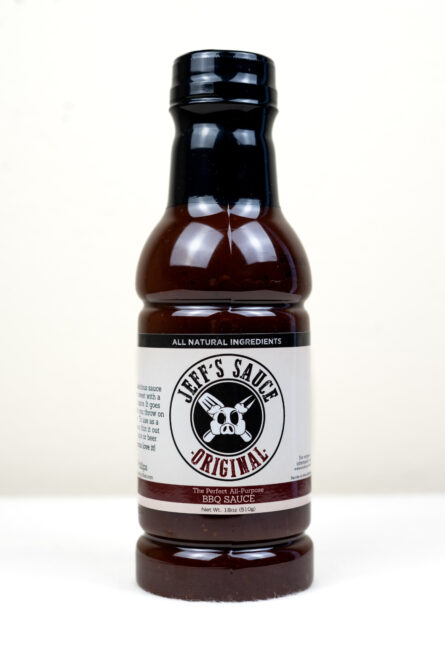
CLASSIC BARBECUE
Original BBQ Sauce
Rich tomato flavor, balanced sweetness and a gentle kick.
$8.99per bottle
Shop Now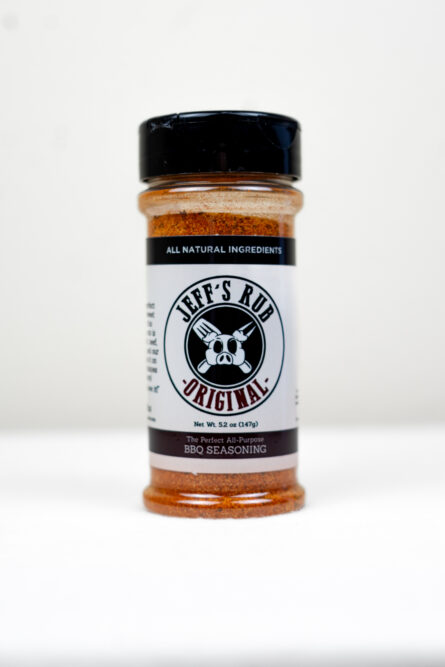
THE SIGNATURE BLEND
Original Rub
Sweet, savory and a touch of heat for your next cook.
$8.99per bottle
Shop Now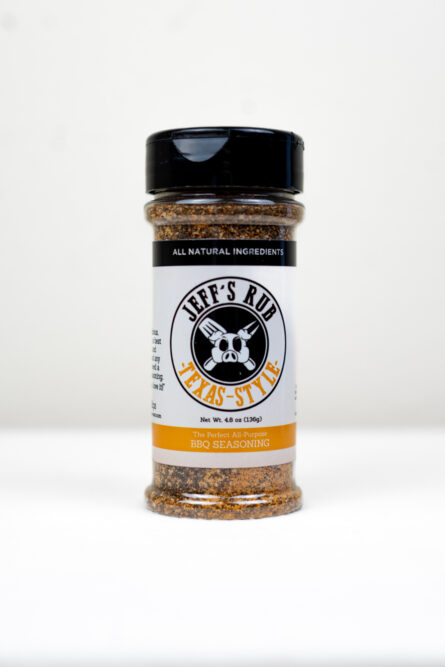
BOLD & PEPPERY
Texas Style Rub
Pepper forward flavor for brisket, steaks and more.
$8.99per bottle
Shop Now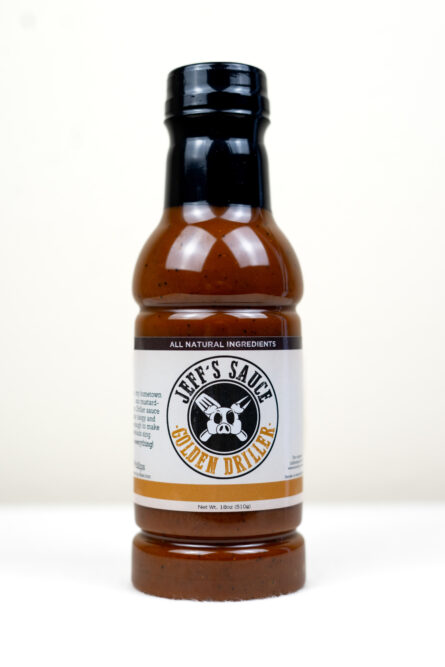
MUSTARD BBQ SAUCE
Golden Driller
Smooth mustard tang with just the right sweetness.
$8.99per bottle
Shop NowFind your next favorite at Thin Blue Foods
