
Best Brisket Rubs and Seasoning Methods

Smoking-Meat.com is supported by its readers. We may earn an affiliate commission at no extra cost to you if you buy through a link on this page.
Seasoning brisket is one of the most overcomplicated parts of barbecue, mostly because people assume such a large and impressive cut of beef must need an equally complicated rub.
The truth is much simpler. Brisket doesn't need a long list of ingredients or several layers of competing flavors. It needs the right amount of salt, enough coarse pepper to help form a good bark, and perhaps a few background spices if you want a little more complexity.
If my recipes and barbecue guides have helped you over the years, becoming a member is one of the best ways to support my family's business. As a thank you, you'll enjoy every recipe and article completely ad free for less than $2 a month.
Ad free • Instant access • Cancel anytime
Want the Complete Brisket System?
The Brisket Field Manual walks you step by step through temperature, stall management, tenderness testing, and a repeatable cook timeline.
Free printable PDF. Instant access.
Once you understand what the seasoning is supposed to accomplish and how bark develops during the cook, choosing and applying a brisket rub becomes much easier.
This article is part of The Ultimate Guide to Smoking Brisket From Selection to Slicing.
What Brisket Actually Needs From a Rub
Most of the flavor in a well-cooked brisket comes from the beef itself, the clean smoke produced by the fire, and the dark, flavorful bark that forms on the surface during the cook.
The rub should support all three of those things rather than trying to become the dominant flavor.
A heavily seasoned brisket may taste impressive on the first bite, but if the rub is too strong, every slice begins tasting more like spices than beef. The best brisket seasoning enhances the natural richness of the meat while still allowing the smoke and rendered fat to come through.
The Classic Salt and Pepper Rub
There is a reason salt and black pepper have remained the foundation of traditional brisket seasoning for generations.
Salt brings out the natural flavor of the beef and, when given enough time, begins working its way slightly below the surface. Coarse black pepper adds a mild bite, holds up well during a long cook, and helps create the rough texture that eventually becomes part of the bark.
A simple mixture of coarse salt and coarse black pepper is still one of the best brisket rubs you can use, especially while you're learning how your smoker behaves and what kind of smoke profile you prefer.
There are plenty of ways to make brisket more complicated later, but simple seasoning gives you a much clearer understanding of what the beef, fire, and wood are contributing to the finished result.
When to Add Garlic or Other Spices
Garlic powder, onion powder, and paprika are all common additions to brisket rubs, and each can add a little more depth when used with restraint.
Garlic and onion provide a mild savory background, while paprika can add color and a touch of warmth without changing the overall character of the beef. The important thing is keeping these ingredients in supporting roles rather than allowing them to dominate every bite.
I generally avoid heavy amounts of sugar in brisket rubs. Brisket cooks for a long time, and sugar can darken too quickly, develop bitter flavors, or soften the bark you're trying to build.
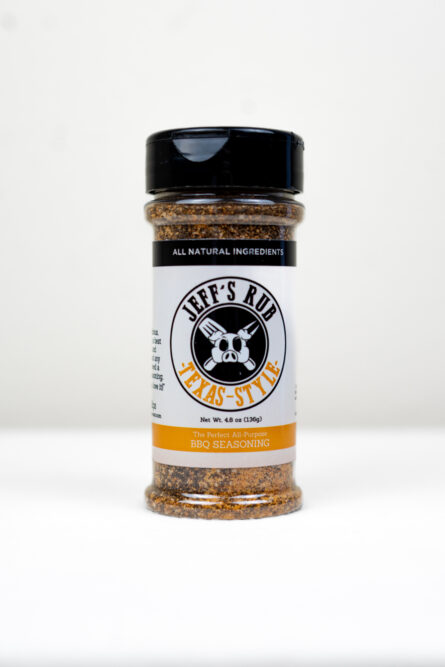
Jeff's Texas Style Rub is also an excellent choice for brisket because it was created to complement beef while still producing the bold, savory bark people expect from good barbecue.
How Much Rub to Use
A brisket should be completely and evenly coated, but it shouldn't look buried beneath a thick layer of seasoning.
You're looking for consistent coverage across the top, bottom, and sides, with no large bare areas and no heavy piles of rub collecting in one place. Since brisket is a large cut, it can handle a generous coating, but more seasoning doesn't automatically mean more flavor.
Once the rub is applied, press it gently onto the surface instead of rubbing it back and forth. Pressing helps the seasoning adhere, while aggressive rubbing tends to move it around and leave uneven spots.
Do You Need a Binder?
A binder is optional and has very little effect on the finished flavor of the brisket.
Mustard, oil, and Worcestershire sauce are commonly used because they make the surface tacky and help the seasoning stay in place. After a long cook, however, you generally won't taste the binder itself.
If the brisket is already slightly damp after trimming, the rub will usually stick without any help. Use a binder if it makes the seasoning process easier for you, but don't feel like it's a required step.
When to Season a Brisket
You can season a brisket immediately before placing it in the smoker, or you can season it several hours ahead of time and leave it uncovered in the refrigerator overnight.
Both methods work.
Seasoning ahead gives the salt more time to begin moving into the outer portion of the meat, and the uncovered refrigerator rest can also help dry the surface slightly, which is useful for bark development.
That said, you don't need an overnight rest to make excellent brisket. If your schedule only allows you to season shortly before the cook, you'll still get very good results.
Why Bark Matters More Than Extra Flavor Layers
A great brisket bark isn't created by seasoning alone.
It develops through the combination of proper trimming, balanced seasoning, clean smoke, steady cooking temperatures, surface moisture, and enough time in the smoker.
No rub, regardless of how expensive or complicated it may be, can make up for a poorly managed fire or a brisket that was wrapped before the bark had time to set.
Seasoning provides the foundation, but cooking technique is what turns that seasoning into bark.
Common Seasoning Mistakes
The most common brisket seasoning mistakes usually come from trying to do too much.
Using excessive sugar can lead to dark or bitter bark, while adding too many spices can cover up the flavor of the beef. Applying the rub unevenly creates some bites that are bland and others that are overly salty, and failing to use enough salt can leave even a beautifully smoked brisket tasting flat.
The goal isn't to create the most complicated brisket rub possible. It's to build a balanced coating that works with the meat, smoke, and long cooking process.
Simple Works Best
If you remember only one thing, remember that brisket should still taste like beef when you're finished.
Start with salt and coarse black pepper, then add small amounts of garlic, onion, or other spices only if they improve the flavor you're trying to create. As you cook more briskets, you'll naturally begin adjusting the seasoning to match your smoker and your own preferences.
Once the brisket is trimmed and seasoned, the next step is bringing the entire process together on the smoker.
Continue with How to Smoke a Brisket Step by Step to walk through the cook from beginning to end.
Related Articles
Don’t Lose This Article
Enter your email and I’ll send a link to this article straight to your inbox so you can read it anytime.
Join the Smoking Meat Community
Have a question about this technique or want help with your next cook?
Join the conversation with other backyard pitmasters.