How to Season Pork Ribs Before Smoking
Smoking-Meat.com is supported by its readers. We may earn an affiliate commission at no extra cost to you if you buy through a link on this page.
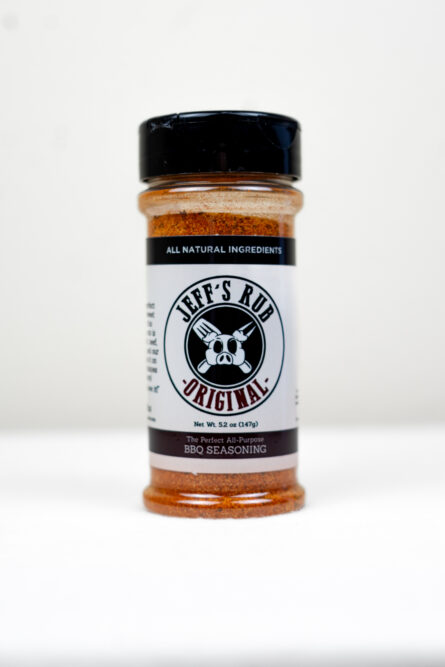
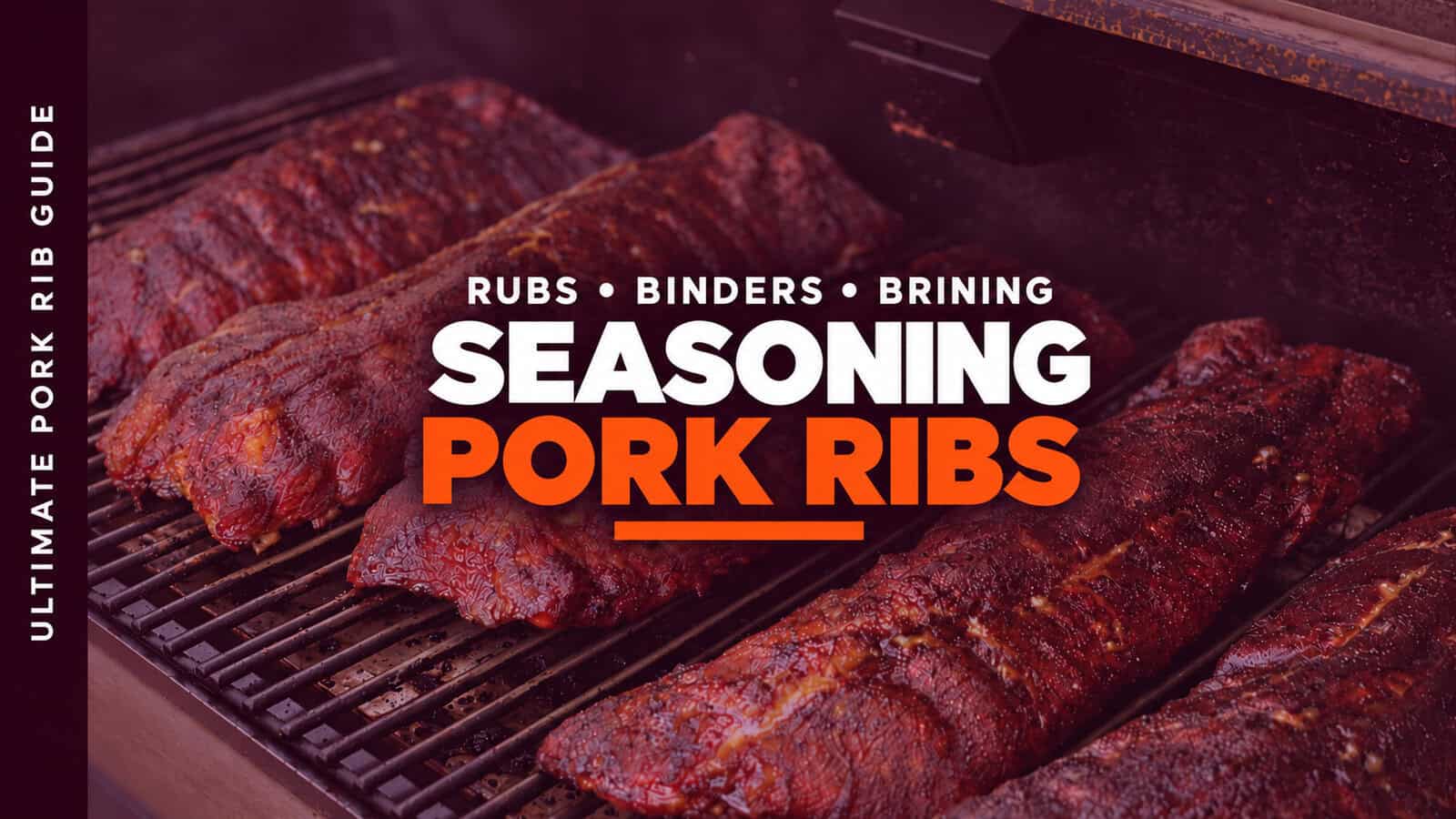
Seasoning pork ribs can be as simple as a good coating of rub and a little mustard to help it stick, and with my original rub you do not have to be shy about how much you use. It is very low in salt, with just enough to bring out the flavor, so you can build the seasoning coverage you want without turning the ribs into a salt lick.
$19/year
Less than $1.60 a month, billed annually.
Renews yearly until canceled.
Already a member? Log In
I like my original rub on pork ribs, and a thin coat of yellow mustard is one of my usual ways to help it stick. You can keep it that simple, or make a few deliberate changes once you understand what the binder, seasoning and finishing sauce each contribute.
Get the Ribs Ready Before Adding Rub
Finish trimming and removing the membrane before seasoning so you are not pulling the rub back off while handling the rack. Pat away excess package moisture, then place the ribs in a rimmed pan to catch the seasoning that misses the meat and make cleanup a little easier.
You do not need to get the surface completely dry if you plan to apply rub directly, since a little natural moisture will help hold it. What you want to avoid is a wet puddle under the rack that turns your seasoning into a slurry before the ribs get to the smoker.
If preparation is the part you need help with, start with trimming spare ribs and removing the membrane, then come back here before cooking.
Do Ribs Need Mustard or Another Binder?
A binder is optional, and you can apply rub directly to the meat if it is sticking well. When I use mustard, I spread a thin coat over both sides and the edges rather than leaving thick ridges that can carry the seasoning away when I move the rack.
Yellow mustard, Dijon and a little oil can all serve that purpose, and I have also used a mixture of two parts seedless blackberry jam to one part Dijon mustard for a different flavor beneath the rub. With a normal thin coat, yellow mustard does not leave the finished ribs tasting like a mustard sandwich, although a strongly flavored binder can still contribute something to the final result.


The binder does not have to tenderize the ribs to be useful, and I would not choose one on the promise that it seals in juices. Its main job here is helping the rub stay where you put it, with any extra flavor treated as part of the seasoning plan.
Apply the Rub Evenly
Season the bone side first, then turn the rack over and cover the meat side and edges, patting the rub into place so it stays on the rack. With my original rub, apply as much as you like for the flavor and coverage you want, since the low salt content lets you season generously without making the ribs too salty.

There is no single cup measurement that fits every rack, and I would rather see you coat the ribs the way you like than ration a low-salt rub by the spoonful. My original rub gives you that freedom, while a different rub with a lot of salt needs a lighter hand and closer attention to its directions, especially on pork that has already been brined.
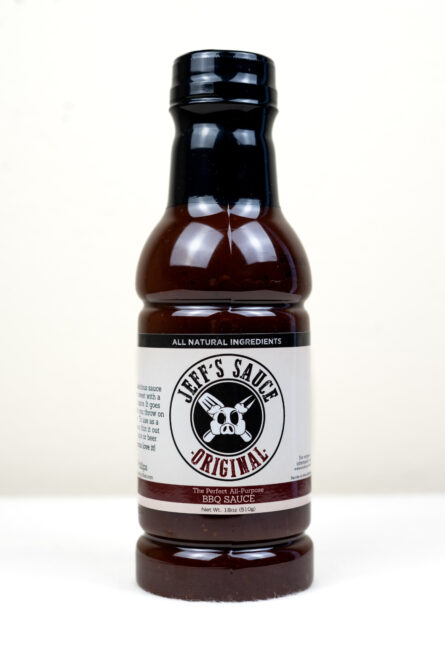
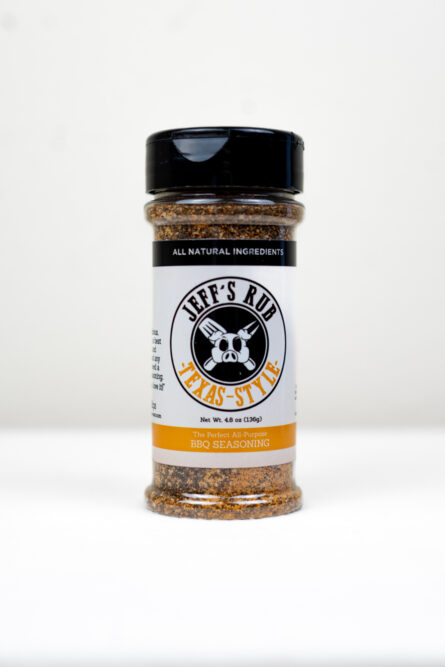
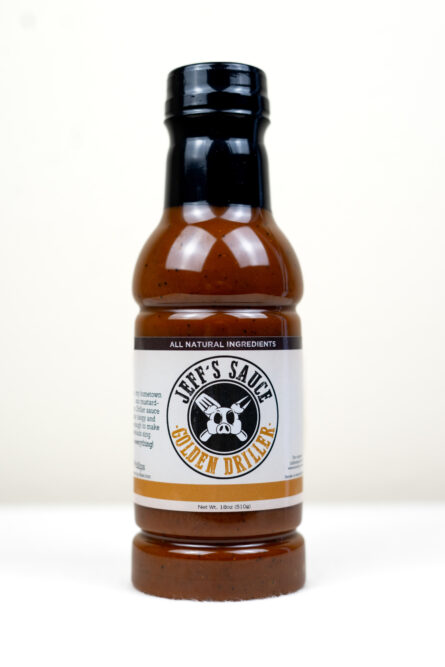
My original rub gives you the sweet and spicy direction I enjoy on pork, while my Texas style spare rib recipe shows a more savory approach. You can use the bottled rubs from Thin Blue Foods or the master formulas if you prefer mixing them yourself.
Should You Season the Night Before?
You can season the ribs while the smoker heats, or season them the night before and keep them covered in the refrigerator. Overnight seasoning is convenient when you want to get moving the next morning, but it is not a requirement for flavorful ribs.
Salt can move into the meat during that time, while most of the other rub ingredients remain much closer to the surface. My original rub is low enough in salt that seasoning the night before or adding a little more during the cook does not create the same concern as layering on a heavily salted rub.
Do not leave the ribs on the counter overnight or set them out for hours to come to room temperature. They can go from the refrigerator into a preheated smoker without that extra wait.
My Original Rub, Brining and Other Salty Ingredients
My original rub was made with just enough salt to bring out the flavor, and that means it works well with wet brining, dry brining or other preparation you want to do before smoking. You do not need to avoid a good coating of it simply because the ribs have been brined, which is not something I can say about every rub on the shelf.
If you use another rub, check how salty it is before combining it with a brine, enhanced pork or a separate salt layer. You still want to follow the salt amounts and timing in your brining instructions, but my original rub can provide the finishing seasoning without adding another heavy dose of salt.
Do Ribs Need a Wet Brine or Injection?
Neither is part of my basic rib preparation, since a well-seasoned rack cooked to the right tenderness can be very good without them. Ribs do not have the same shape or cooking needs as a large roast, and adding more steps does not automatically make the finished rack juicier.
I have experimented with brined ribs, including these coffee-brined baby backs, so there is room for trying something different when that is the recipe you want to cook. Follow the brine recipe for its salt and timing, then season with my original rub as generously as you like; if you substitute another rub, account for whatever salt that one adds.
Spritzing and Mopping During the Cook
A light spritz can moisten a dry-looking spot on the surface, but it does not force juice back into the center of the meat. Water is fine for that purpose, and apple juice or another flavorful liquid is a choice rather than a requirement.
Wait until the rub has set before misting, then use a light hand so you do not wash it away or keep the bark wet for the entire cook. If the ribs are cooking evenly and the surface looks good, there is no need to keep opening the smoker just because an interval on the clock says it is time to spray.
Mopping applies more liquid and can disturb the coating more easily, so dab or brush gently if you use that approach. A liquid containing plenty of sugar also adds another thing that can burn if the rack gets too close to direct heat.
When to Add Barbecue Sauce
Apply sauce toward the end of the cook if you want a sticky finish, usually giving a thin coat about 15 to 30 minutes over indirect heat to become tacky. Check the ribs first, since a rack that is already very soft needs a shorter finishing step than one that still has some cooking to do.
You can add a second light coat if you want more sauce, or keep the ribs dry and serve sauce alongside them. Either choice works, and it is easier to add more at the table than to remove a thick, burnt glaze from a finished rack.
For the cooking steps after seasoning, follow the complete pork rib guide, or browse the pork rib recipes to choose a particular flavor and method.
Don’t Lose This Article
Enter your email and I’ll send a link to this article straight to your inbox so you can read it anytime.