

Why Smoked Chicken and Turkey Skin Turns Tough and Leathery
I may earn a commission if you buy through links on this page, at no extra cost to you.
Tough, leathery skin usually means the surface stayed too damp or the bird spent the whole cook at a temperature that did not give the skin a good finish. The meat can be juicy and cooked properly while the skin is still difficult to bite through, which is frustrating when the rest of the bird turned out exactly the way you wanted.
$19/year
Less than $1.60 a month, billed annually.
Renews yearly until canceled.
Already a member? Log In
Dry the Skin Before It Goes Into the Smoker
After brining, pat the bird dry and place it on a rack over a pan, uncovered in the refrigerator, for several hours or overnight when you have time. The rack lets air move around the bird, and the uncovered rest gives surface moisture a chance to evaporate before the cook begins.
Wet brining can still be a good choice for juicy poultry, but going straight from the brine to the smoker with wet skin works against the texture you want. Dry brining is another option because the uncovered refrigerator time helps season the meat while drying the skin. Apply your seasoning before cooking, and avoid repeatedly wetting the surface with a spritz if better skin is the goal.
Give Chicken a Hotter Finish
For chicken, a useful approach is to start around 225°F (107°C) for smoke flavor, then raise the cooking temperature to about 300 to 325°F (149 to 163°C) to finish. A hotter finish helps render the fat under the skin and improves the bite, although it does not guarantee the same crispness you would get from frying.
Watch the internal temperature while you work on the skin. Chicken breast should reach 165°F (74°C), while thighs and legs generally have a better texture around 175 to 180°F (79 to 82°C). There is no benefit in drying out the breast just to give the skin a few more minutes.
Turkey Has the Same Moisture Problem
Drying the surface and allowing good airflow help turkey as well. Spatchcocking exposes more skin to the heat and can help the bird cook more evenly, while a hotter finish is an option if skin texture is especially important to you.
I generally cook turkey at about 240°F (116°C) because juicy meat and a predictable cook are my priorities. That may not produce shatteringly crisp skin, and I am fine with that tradeoff. If you decide to finish hotter, keep checking the breast temperature rather than letting the skin become more important than the turkey.
More Help With Poultry Skin
My fuller guide, How to Fix Tough and Rubbery Chicken Skin When Smoking Chicken, explains the temperature changes, drying process and other tools you can use. For the holiday bird, see Why Turkey Skin Turns Rubbery and How to Fix It.
If you are planning the brining step, How to Brine Chicken for Smoking covers the methods and timing in more detail.
Join the Smoking Meat Community
Have a question about this technique or want help with your next cook?
Join the conversation with other backyard pitmasters.
From my backyard to yours
Jeff’s Handcrafted
Seasoning and Sauce
The rubs and sauces I use in my own backyard
and throughout these recipes.
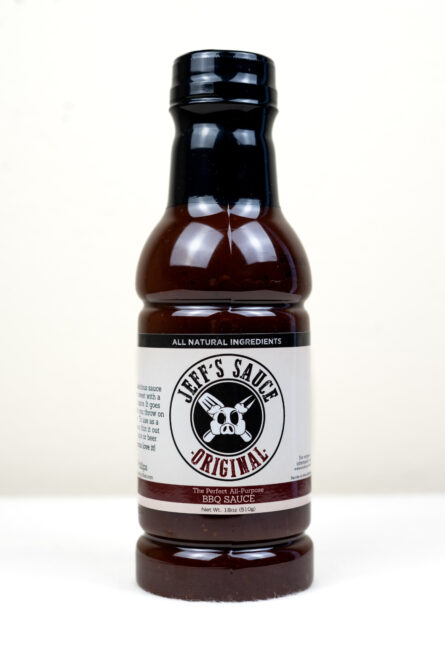
CLASSIC BARBECUE
Original BBQ Sauce
Rich tomato flavor, balanced sweetness and a gentle kick.
$8.99per bottle
Shop Now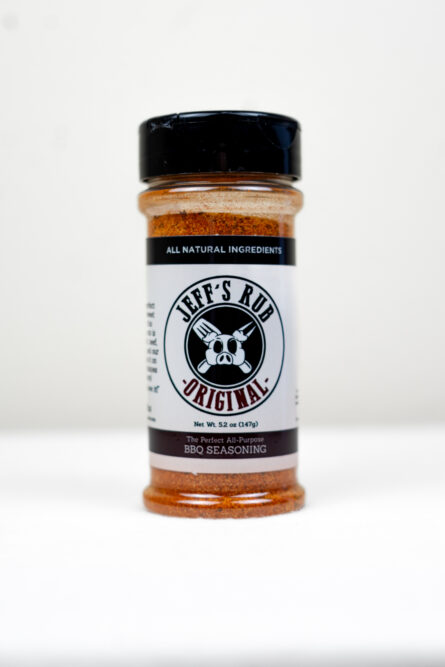
THE SIGNATURE BLEND
Original Rub
Sweet, savory and a touch of heat for your next cook.
$8.99per bottle
Shop Now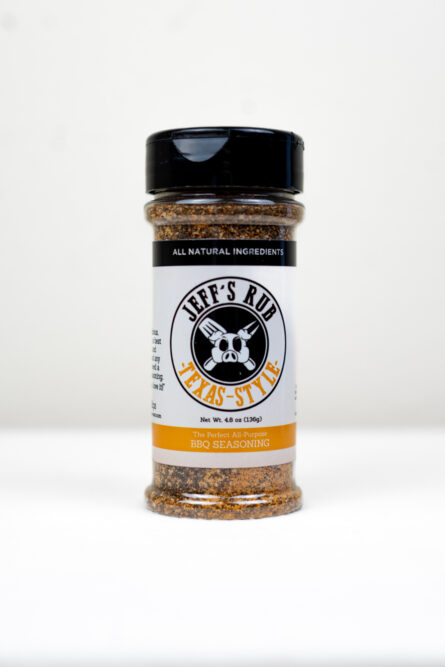
BOLD & PEPPERY
Texas Style Rub
Pepper forward flavor for brisket, steaks and more.
$8.99per bottle
Shop Now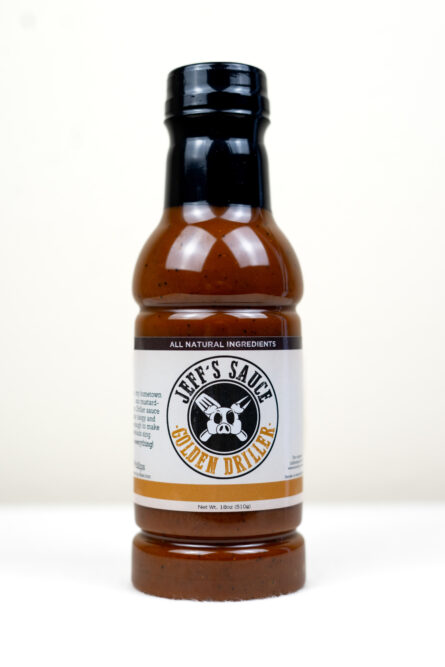
MUSTARD BBQ SAUCE
Golden Driller
Smooth mustard tang with just the right sweetness.
$8.99per bottle
Shop NowFind your next favorite at Thin Blue Foods

For the first time, I ruined my turkey legs… Had them unfreeze for days, brined for 20 hours, slow cook in the smoker and then 6h after, I could barely put a fork through it. Any clue what happened. Possibility #1 after boiling my brine preparation to get all the taste of the spices melt together, I put it in the fridge to cool down before putting the legs in it. This time, it was lukewarm when I put my turkey legs in for brining. Possibility #2, those weren’t turkey legs… they had a shorter and wider shape… loooots of meat and muscles… could it be Emeu? Thanks for any clue.
Try using a simple mop sauce. Brush mop sauce every ten or fifteen minutes onto the chicken. Works like a charm, but is kind of a hassle.
Opening your smoker every 10-15 minuites is a big mistake. DO NOT follow this advice unless you want to continously lose all of your smoke and heat.
Just bought an electric smoker for my husband's birthday this weekend and we are "seasoning" it as I write this email. We are going to attempt a chicken tomorrow. Basic question: do we leave the flu open or closed during the smoking process? We haven't found an answer to this question anywhere. Thanks for your help!
I had the same question when i got my electric. I have the MasterBilt, and the included booklets weren’t completely clear on this. I eventually found a recommendation that the flue should be left all the way open while cooking to allow a proper draft thru the smoke box. After a few hours, i’ll sometimes add water to the pan & close it to steam-finish a little.
Hope this helps!