

Why Turkey Skin Turns Rubbery (And How to Fix It)

I may earn a commission if you buy through links on this page, at no extra cost to you.
Few things are more frustrating than pulling a beautiful turkey off the smoker, carving into it, and discovering that the skin is soft, rubbery, and difficult to bite through.
$19/year
Less than $1.60 a month, billed annually.
Renews yearly until canceled.
Already a member? Log In
The good news is that rubbery turkey skin is not usually caused by one big mistake. Instead, it is often the result of several smaller factors working together, and once you understand what those factors are, the problem becomes much easier to fix.
Before we talk about solutions, it helps to understand what is actually happening.
Turkey skin contains a lot of moisture and a layer of fat underneath that moisture. For the skin to tighten up and become more pleasant to eat, some of that moisture has to leave while some of that fat needs to render during the cook.
When too much moisture remains trapped in the skin, it often ends up soft, chewy, and rubbery instead of tender and bite through.
Moisture Is Usually the Biggest Problem
If I had to point to a single cause of rubbery turkey skin, excess moisture would probably be at the top of the list.
Many Thanksgiving turkeys spend several days thawing in the refrigerator, followed by a wet brine, followed by seasoning, and then finally a trip to the smoker. Along the way, the skin can accumulate a surprising amount of surface moisture.
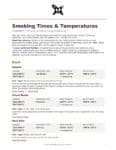
Get My Free Smoking Chart
Get my printable Smoking Times & Temperatures chart in °F and °C, ready to keep beside the smoker.
When that moisture never has a chance to dry out, the skin often struggles to develop the texture people are hoping for.
That does not mean wet brining is bad. In fact, wet brining remains one of my favorite ways to help keep turkey juicy. It simply means you need to think about drying the surface before the bird goes on the smoker.
Dry the Skin Before Cooking
One of the simplest ways to improve turkey skin is to give it time to dry in the refrigerator before cooking.
After thawing or brining, place the turkey on a rack over a pan and leave it uncovered in the refrigerator for several hours or overnight if possible.
During that time, moisture evaporates from the surface and the skin becomes noticeably drier.
That may not sound exciting, but it can make a significant difference in the final texture.
Many people are surprised by how much improvement they see from this step alone.
Dry Brining Can Help
This is one of the reasons dry brining has become so popular with turkey cooks.
In addition to seasoning the meat, dry brining naturally helps remove moisture from the surface of the skin while the turkey rests uncovered in the refrigerator.
That drying effect often gives dry brined turkeys an advantage when it comes to skin texture.
Wet brining can still produce excellent results, but if skin quality is one of your highest priorities, dry brining is worth considering.
Be sure to check out my article Should You Brine a Turkey Before Smoking?
Cooking Temperature Matters
Turkey skin generally benefits from higher cooking temperatures because higher heat helps drive off moisture and encourages the fat beneath the skin to render more effectively.
That is one reason roasted turkeys often have an easier time developing attractive skin than turkeys cooked low and slow.
For years I have recommended cooking turkey at approximately 240°F because I think it provides an excellent balance between smoke flavor, moisture retention, food safety, and overall simplicity.
That temperature consistently produces juicy turkey, which is ultimately my highest priority.
Cooking at 225 to 240°F (107 to 116°C) the whole way can leave the skin soft. If you want crisper skin, start at 240°F (116°C) and raise the smoker to about 325°F (163°C) when the thickest part of the breast reaches about 140°F (60°C). That’s often a couple of hours in, but I go by the thermometer since every turkey cooks a little differently. Cook until a thermometer reads at least 165°F (74°C) in the thickest part of the breast and the innermost parts of the thigh and wing.
Spatchcocking Helps More Than Most People Realize
One of the side benefits of spatchcocking is that it often improves skin quality.
When the turkey is flattened, more of the skin is exposed directly to heat and airflow, which helps moisture evaporate more efficiently throughout the cook.
The bird also cooks more evenly, which often leads to better overall results from top to bottom.
The more turkeys I cook, the more I appreciate the advantages of spatchcocking, and improved skin is definitely one of them.
For complete instruction on this subject, see How to Spatchcock a Turkey
Baking Powder Can Help
Baking powder can help improve turkey skin when used correctly because it helps dry the surface of the skin and raises its pH slightly. This encourages better browning and can produce a crispier bite.
The best results come from using aluminum free baking powder as part of a dry brine rather than simply mixing it into your rub.
Mix 1 teaspoon of aluminum free baking powder with 1 tablespoon of kosher salt, then apply the mixture evenly over the turkey. Place the turkey on a rack over a baking sheet or roasting pan and let it rest uncovered in the refrigerator for at least 8 hours, or overnight if possible. Just before smoking, apply your favorite seasoning or barbecue rub.
Keep in mind that baking powder is only one part of the process. It works best when combined with dry skin, clean-burning smoke, good airflow, and a higher finishing temperature. By itself, it won't prevent rubbery skin.
Airflow Matters Too
Good airflow around the turkey helps carry moisture away from the surface as the bird cooks.
Most smokers naturally provide enough airflow to get the job done, but overcrowding the cooking chamber or placing the turkey in a way that restricts circulation can sometimes work against you.
This is another reason smaller birds tend to be easier to manage than giant holiday turkeys.
More room around the bird generally leads to more even cooking and better skin.
Don't Let Skin Become More Important Than the Turkey
This might be the most important section in the entire article.
Good skin is nice.
Great skin is even nicer.
But neither one matters very much if you sacrifice a juicy turkey to get there.
Every year I see cooks become so focused on creating perfectly crisp skin that they end up overcooking the breast meat in the process.
Personally, I would rather have excellent turkey with reasonably good skin than perfect skin wrapped around dry meat.
The goal is balance.
If you follow the suggestions in this article, you can improve the skin significantly without compromising what matters most.
Common Causes of Rubbery Turkey Skin
The most common causes include:
- Excess surface moisture
- Not drying the turkey before cooking
- Cooking at 225 to 240°F (107 to 116°C) for the entire cook when you want crisp skin
- Poor airflow
- Skipping the resting and drying phase after brining
- Focusing on skin texture while ignoring overall cooking balance
Fortunately, every one of these problems can be corrected.
Planning the Rest of the Cook
Turkey skin is only one part of a successful Thanksgiving meal.
You also need a plan for thawing, brining, temperatures, and timing.
Helpful planning guides:
Best Temperature for Smoking a Turkey
How to Keep Smoked Turkey Moist
Frequently Asked Questions
Why is my smoked turkey skin rubbery?
The most common cause is excess moisture that never had a chance to leave the skin during the cook.
Does dry brining help turkey skin?
Yes. Dry brining helps remove moisture from the surface while seasoning the meat, which often improves skin texture.
Should I increase the smoker temperature at the end?
If you want crisper skin, start at 240°F (116°C) and raise the smoker to about 325°F (163°C) when the thickest part of the breast reaches about 140°F (60°C). That’s often a couple of hours in, but I go by the thermometer since every turkey cooks a little differently.
Does spatchcocking help with turkey skin?
Yes. Spatchcocking exposes more skin directly to heat and airflow, which often improves the final texture.
Does baking powder really work?
It can help, especially when combined with proper drying and good cooking temperatures, but it is not a magic solution by itself.
Final Thoughts
Rubbery turkey skin is usually not the result of one major mistake but rather a combination of moisture, temperature, airflow, and cooking method.
If you focus on drying the skin before cooking, consider dry brining, maintain good airflow, and understand the tradeoffs between skin texture and moisture retention, you can dramatically improve your results without making the process more complicated.
And remember, while better skin is always nice, a juicy turkey should still be the main goal.
Don’t Lose This Article
Enter your email and I’ll send a link to this article straight to your inbox so you can read it anytime.
Join the Smoking Meat Community
Have a question about this technique or want help with your next cook?
Join the conversation with other backyard pitmasters.
From my backyard to yours
Jeff’s Handcrafted
Seasoning and Sauce
The rubs and sauces I use in my own backyard
and throughout these recipes.
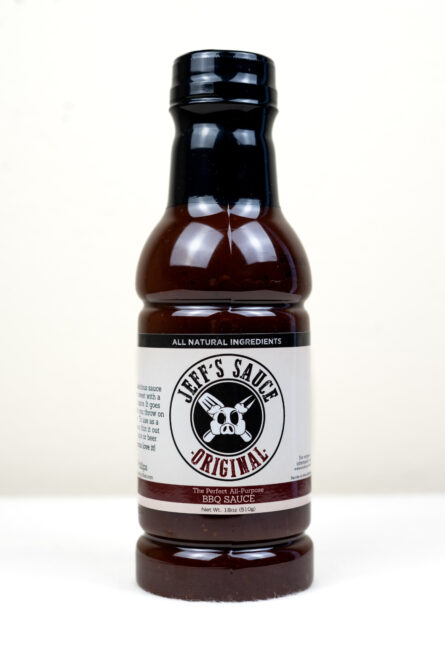
CLASSIC BARBECUE
Original BBQ Sauce
Rich tomato flavor, balanced sweetness and a gentle kick.
$8.99per bottle
Shop Now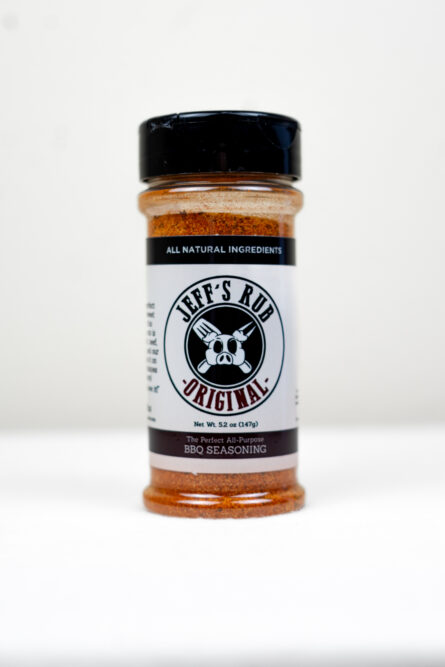
THE SIGNATURE BLEND
Original Rub
Sweet, savory and a touch of heat for your next cook.
$8.99per bottle
Shop Now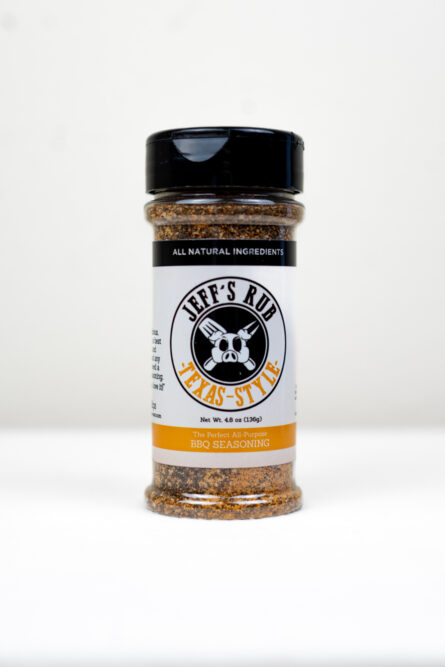
BOLD & PEPPERY
Texas Style Rub
Pepper forward flavor for brisket, steaks and more.
$8.99per bottle
Shop Now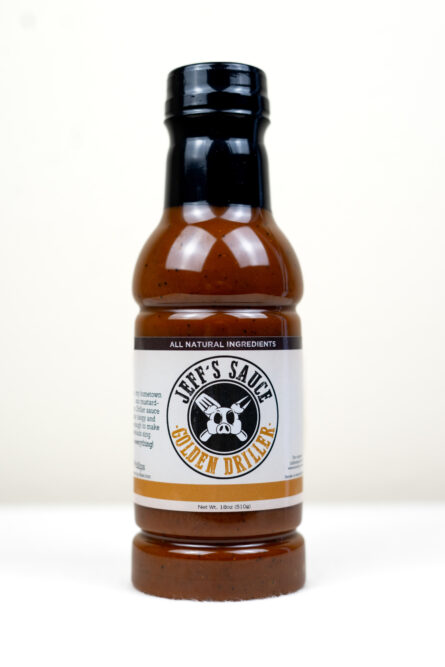
MUSTARD BBQ SAUCE
Golden Driller
Smooth mustard tang with just the right sweetness.
$8.99per bottle
Shop NowFind your next favorite at Thin Blue Foods

Jeff, what is your opinion on smoking and then finishing the turkey in a fryer?
George, absolutely! My recipe for Smoked Fried Turkey starts on page 258 of Smoking Meat: The Essential Guide to Real Barbecue. For a turkey around 12 pounds, I smoke it at 225 to 240°F (107 to 116°C) for about 1½ hours, then move it straight into the fryer with the oil at 375°F (191°C). Figure roughly 2 to 2½ minutes per pound for frying, but use a thermometer to verify at least 165°F (74°C) in the breast, thigh, and wing. Let it rest about 20 minutes before carving. Make sure the turkey is completely thawed and dry inside and out, and follow your fryer’s directions for oil level and safe operation.
I have a dry ager and was wondering if i left the turkey in overnight would that help dry out the skin to make so it will be crispy without drying out the meat.
Thanks,
Bill
Bill, yes, your dry ager should work at least as well as the fridge for drying the skin overnight. Keep the temperature below 40°F (4°C) and avoid a high humidity setting so the skin can dry. Set the thawed turkey uncovered on a rack over a rimmed pan to catch the drips. That should dry the surface without drying out the meat.
Can you make this article available in a printable format?
Patrick, here’s a printable PDF of the article. You can save it or print a copy to keep beside the smoker.