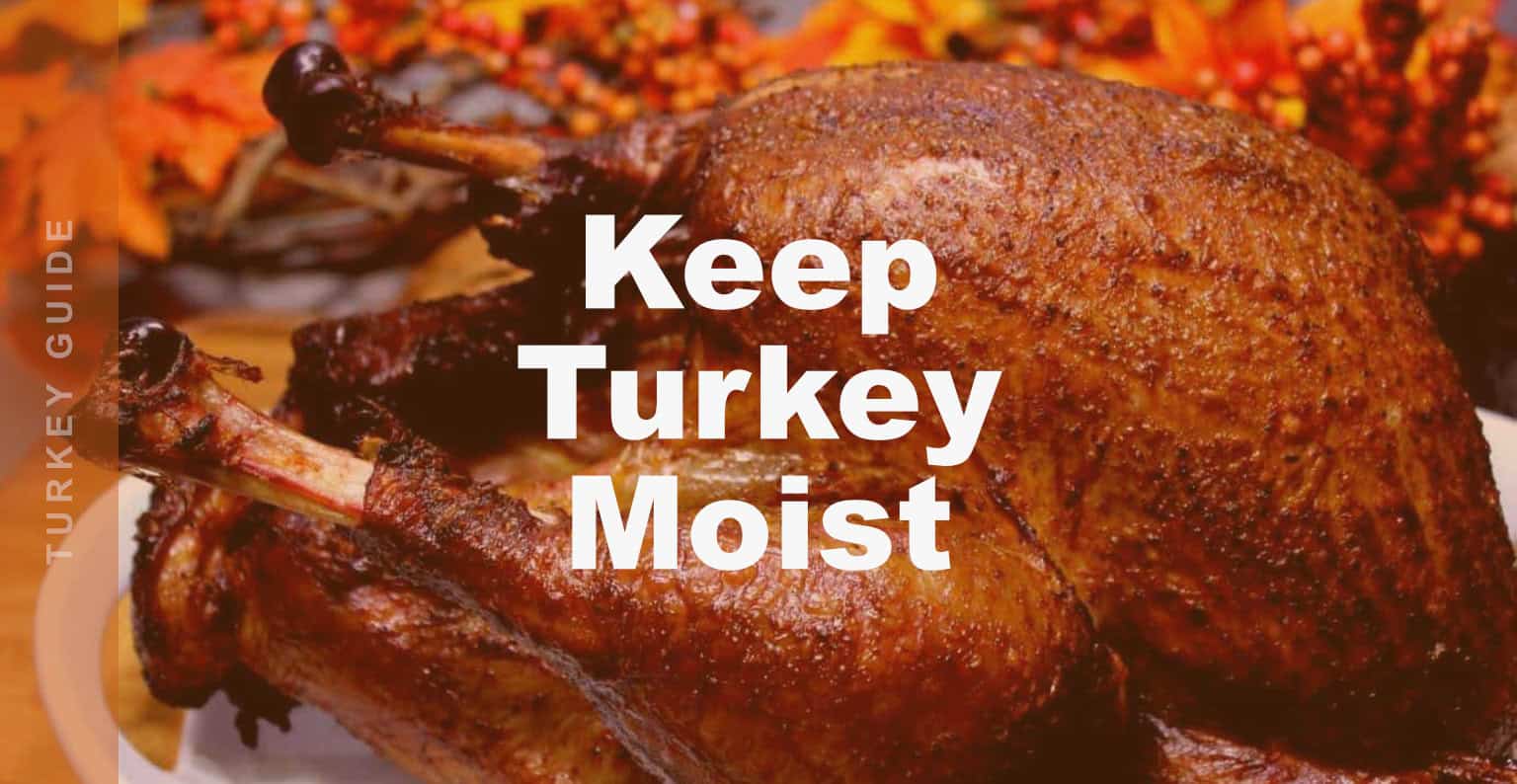
How to Keep Smoked Turkey Moist
Smoking-Meat.com is supported by its readers. We may earn an affiliate commission at no extra cost to you if you buy through a link on this page.
One of the biggest fears people have when smoking a turkey is ending up with dry breast meat, and I can certainly understand why because turkey only gets one chance to make a first impression on Thanksgiving Day.
The good news is that moist turkey is not usually the result of secret ingredients, complicated techniques, or expensive equipment. In most cases, it comes down to making a series of good decisions before and during the cook, each one helping the turkey stay juicy from the moment it goes on the smoker until it reaches the dinner table.
If my recipes and barbecue guides have helped you over the years, becoming a member is one of the best ways to support my family's business. As a thank you, you'll enjoy every recipe and article completely ad free for less than $2 a month.
Ad free • Instant access • Cancel anytime
If you focus on the fundamentals, keeping turkey moist is actually much easier than many people think.
Why Turkey Dries Out
Before talking about solutions, it helps to understand what causes the problem in the first place.
The most common reason turkey dries out is simple overcooking.
Turkey breast is naturally lean meat, which means it has far less forgiveness than cuts like pork shoulder or brisket. Once the breast climbs too far beyond its ideal temperature range, moisture begins leaving the meat and there is no practical way to put it back.
Oversized turkeys can also contribute to the problem because the breast often reaches its ideal temperature long before the thighs and legs finish cooking. The larger the bird becomes, the more difficult it can be to keep everything cooking evenly.
Poor temperature management, relying on the clock instead of a thermometer, and carving immediately after cooking can also work against you.
The encouraging news is that every one of those problems can be avoided.
Start With a Smaller Turkey
One of the best things you can do for a moist turkey happens before the smoker is ever turned on.
For years I have recommended keeping Thanksgiving turkeys somewhere around 12 pounds or less whenever possible because smaller birds tend to cook more evenly and are easier to manage throughout the cook.
When people need more meat, I usually recommend cooking multiple smaller birds instead of one giant turkey.
More birds is better than bigger birds.
Smaller birds move through the cook more predictably, spend less time fighting temperature differences between the breast and thighs, and generally produce better results from top to bottom.
If you need 20 pounds of turkey, I would much rather see you cook two 10 pound birds than one 20 pound bird.
Brine for a Little Extra Insurance
Brining is not mandatory, but it is one of the easiest ways to improve your odds of success.
Whether you choose a wet brine or a dry brine, the process helps season the turkey throughout while giving the meat a little extra protection against drying out during the cook.
Wet brining tends to provide the most moisture insurance and remains a favorite choice for many Thanksgiving cooks, particularly those who are newer to smoking turkey.
Dry brining is cleaner, requires less refrigerator space, and often produces better skin while still helping the turkey retain moisture.
Both methods work extremely well, and neither one is a bad choice.
Should You Brine a Turkey Before Smoking?
Cook at About 240°F
Turkey responds very well to moderate cooking temperatures.
For years I have recommended running the smoker somewhere around 240°F because it provides a nice balance between cooking efficiency, smoke flavor, and moisture retention.
Cooking too low can create food safety concerns and unnecessarily extend the cook, while excessively high temperatures can sometimes make it harder to manage the breast meat.
A steady smoker temperature somewhere around 240°F helps everything move along at a comfortable pace without creating unnecessary stress.
Best Temperature for Smoking a Turkey
Use a Thermometer Instead of the Clock
If there is one habit that consistently improves turkey results, it is learning to trust the thermometer more than the clock.
Cooking times are estimates.
Internal temperature tells the truth.
Two turkeys that weigh exactly the same can finish at different times depending on weather conditions, smoker performance, bird shape, starting temperature, and a number of other factors.
Instead of asking whether the turkey has cooked for long enough, ask whether it has reached the proper internal temperature.
That simple shift in thinking solves a surprising number of turkey problems.
Don't Overcook the Breast
This is where most dry turkey problems begin.
I generally recommend pulling the turkey when the breast reaches somewhere around 160°F to 165°F while the thighs are in the neighborhood of 170°F to 175°F.
Many people continue cooking long after the turkey is actually ready because they are worried about food safety, but every additional degree in the breast increases the risk of drying out the meat.
A quality thermometer removes the guesswork and allows you to make decisions based on what is actually happening inside the bird.
Consider Spatchcocking
The more turkeys I cook, the more I appreciate the benefits of spatchcocking.
By removing the backbone and flattening the bird, you create a more even cooking surface that helps the breast and thighs finish closer together.
More even cooking often means less chance of drying out the breast while waiting for the dark meat to finish.
It also shortens cooking time and typically improves skin quality at the same time.
That is a pretty impressive list of benefits from one simple technique.
Let the Turkey Rest
One of the easiest ways to lose moisture is carving the turkey immediately after it comes off the smoker.
When the turkey is cooking, moisture is moving around inside the meat. Resting gives those juices time to redistribute throughout the bird instead of running onto the cutting board the moment you slice into it.
I generally recommend resting a turkey for at least 30 minutes before carving, and longer rests often work beautifully when the turkey is being held for serving later.
Patience during the rest is often rewarded at the dinner table.
Optional Moisture Boosters
Once the fundamentals are in place, there are a few additional techniques that can add flavor and provide a little extra moisture insurance.
One of my favorites is a simple butter mop made with:
- 1 stick of melted butter
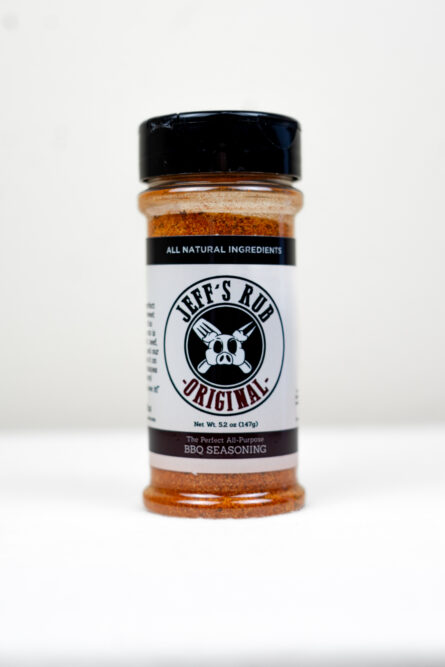
- About 2 tablespoons of Jeff's Original Rub or your favorite low salt barbecue rub
Brush or mop it onto the turkey during the cook and it adds wonderful flavor while helping keep the surface moist.
Some cooks also use injections, and while they can certainly work, I generally prefer brining because it seasons more evenly throughout the bird and tends to produce better overall results.
These techniques are nice additions, but they should never replace the fundamentals of proper temperature management and careful cooking.
Common Mistakes That Dry Out Turkey
Most dry turkey problems can be traced back to a handful of common mistakes.
- Cooking an oversized turkey
- Skipping temperature monitoring
- Relying entirely on cooking time
- Overcooking the breast meat
- Carving too soon
- Chasing exact cooking schedules instead of actual temperatures
Avoid those mistakes and you are already ahead of many Thanksgiving cooks.
Planning the Rest of the Cook
Keeping turkey moist is only one piece of a successful Thanksgiving meal.
You also need a plan for thawing, timing, cooking temperatures, and serving.
Helpful planning guides:
Thanksgiving Turkey Cooking Timeline
Frequently Asked Questions
What causes smoked turkey to dry out?
Overcooking is by far the most common cause, particularly when the breast meat is allowed to climb too high above its ideal temperature range.
Does brining keep turkey moist?
Yes. Both wet brining and dry brining can help the turkey retain moisture while improving flavor throughout the meat.
Is a larger turkey more likely to dry out?
Generally speaking, yes. Larger birds are more difficult to cook evenly and often create bigger temperature differences between the breast and thighs.
Does resting really matter?
Absolutely. Resting allows juices to redistribute throughout the meat instead of running out during carving.
Does spatchcocking help keep turkey moist?
Yes. Because the bird cooks more evenly, there is less chance of overcooking the breast while waiting for the thighs to finish.
Final Thoughts
If you want moist smoked turkey, focus on the fundamentals rather than looking for a magic trick.
Start with a manageable size bird, consider brining, cook at a steady temperature, monitor internal temperatures carefully, and allow the turkey to rest before carving.
Those simple steps consistently produce better results than any shortcut ever will, and once you get comfortable with the process, moist turkey becomes something you can achieve year after year with confidence.
Don’t Lose This Article
Enter your email and I’ll send a link to this article straight to your inbox so you can read it anytime.