


How to Brine a Turkey (Plus My Favorite Turkey Brines)
Smoking-Meat.com is supported by its readers. We may earn an affiliate commission at no extra cost to you if you buy through a link on this page.
If you've never brined a turkey before, you're in for a treat. Brining is one of the easiest ways to help your turkey stay juicy, tender, and flavorful from the first slice to the last. Whether you're smoking, roasting, or frying your turkey, a good brine can make a noticeable difference.
A turkey brine is simply a mixture of water, salt, and other ingredients that add flavor while helping the meat retain moisture during cooking. Over the years, I've experimented with all kinds of brines and eventually settled on several favorites that consistently produce great results.
If my recipes and barbecue guides have helped you over the years, becoming a member is one of the best ways to support my family's business. As a thank you, you'll enjoy every recipe and article completely ad free for less than $2 a month.
Ad free • Instant access • Cancel anytime
On this page, you'll find those recipes along with a few tips to help you choose the one that's right for your turkey. Every brine here is formulated to about a 6% salinity, which I've found to be a sweet spot for adding flavor and moisture without making the turkey taste overly salty.
Why Brine a Turkey?
Brining is one of the easiest ways to help keep your turkey from drying out during cooking. As the turkey soaks in the brine, it absorbs some of the seasoned liquid, which helps the meat retain more moisture while adding flavor all the way through.
I've found that a brine with about 6% salinity provides great results without making the turkey taste overly salty. Whether you're smoking, roasting, or frying a turkey, taking a little time to brine it beforehand is one of the easiest ways to end up with a juicier and more flavorful bird.
My Favorite Turkey Brines
Over the years, I've experimented with a lot of different turkey brines. The recipes below are the ones I've had the best success with and continue to use today. Each one is formulated to about 6% salinity, which I've found to be a great balance between adding flavor and helping the turkey stay moist without making it overly salty.
Whether you're looking for something traditional or a brine with a unique twist, there's a good chance you'll find one here that's perfect for your next turkey.
Jeff's Cajun Turkey/Poultry Brine
- 1 Gal Water
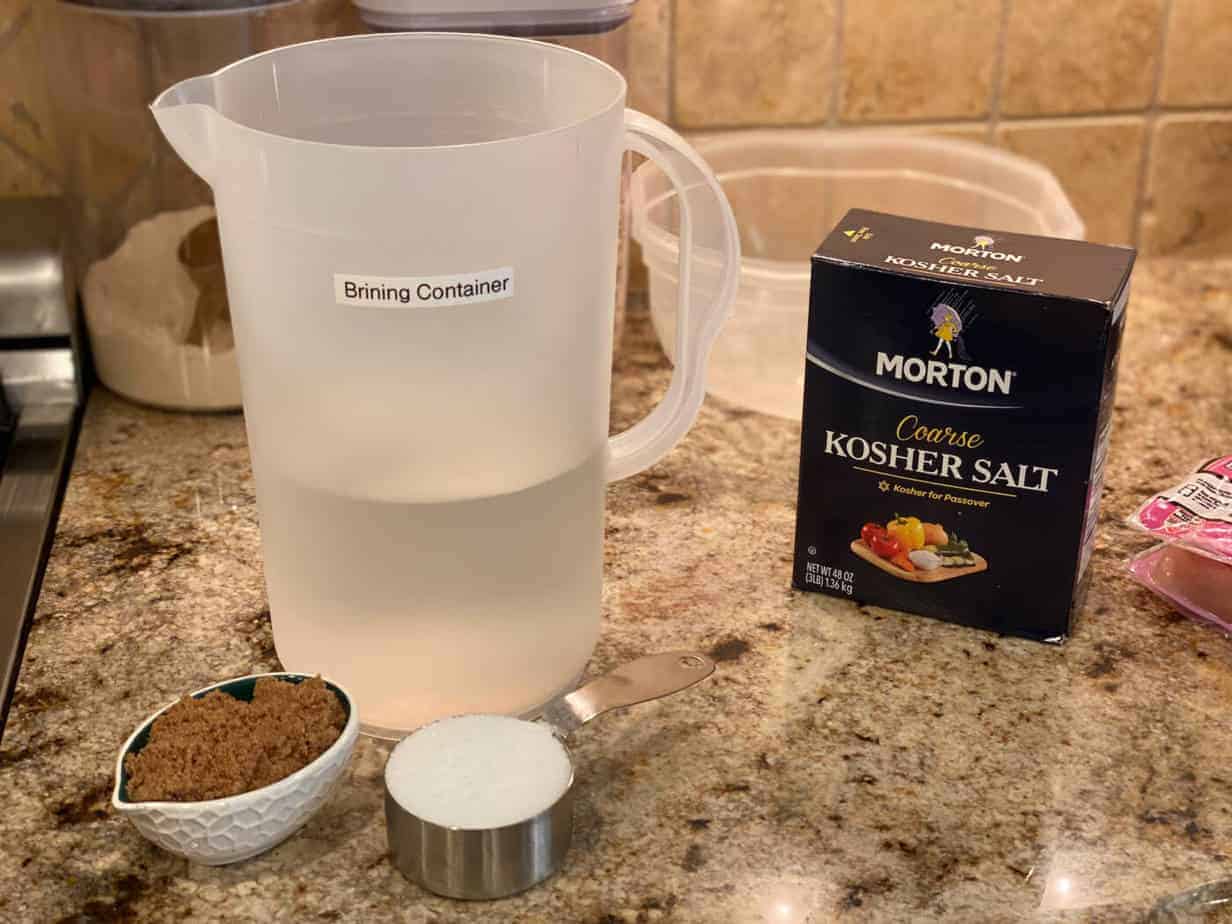
- 1 Cups Kosher Salt (Morton's blue box)
- 1.5 Cups brown sugar
- 2 TBS Zatarains Liquid Crab Boil
- 2 TBS Black Pepper
- 1/2 TBS Dried Rosemary
- 1/2 TBS Thyme
- 2 TBS Molasses
- 2 TBS White Wine (not Cooking Wine)
- 2 TBS Worcestershire
Add the salt to the water and stir until the salt dissolves and the water becomes clear. Add the other ingredients and stir well to combine. Double or triple the recipe as required.
Traditional Brine for Turkey/Poultry
- 1 gallon water
- 1 cup kosher salt (Morton's blue box)
- 3/4 cup brown sugar
- 2 TBS Jeff's original rub
Pour the water into a large plastic foodsafe container. Add the salt and stir until it is completely dissolved. Then add the brown sugar and rub and stir until it dissolved as much as possible. Double or triple the recipe as required.
Buttermilk Brine for Turkey/Poultry
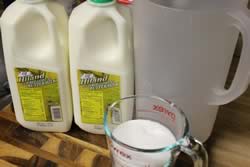
- 1/2 gallon buttermilk
- 1/2 gallon water
- 1 cup kosher salt (Morton's blue box)
- 2 TBS Jeff's original rub
Pour the buttermilk and water into a large plastic food-safe container. Add the salt and stir until it is completely dissolved. Then add the rub and stir until it is dissolved as much as possible. Double or triple the recipe as required.
Cranberry Brine for Turkey/Poultry
- 2 bottles (64 oz) of Cranberry-Pomegranate juice (Ocean Spray brand)
- 1 cup of kosher salt (Morton's blue box)
- 2 TBS of Jeff's original rub
Pour the juice into a large plastic food-safe container. Add the salt and stir until it is completely dissolved. Then add the rub and stir until it is dissolved as much as possible. Double or triple the recipe as required.
How to Use Wet Brines on Turkey
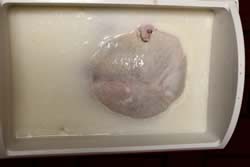
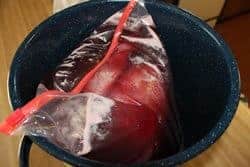
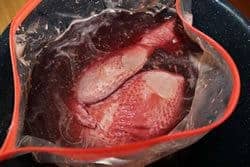
Put the bird into a very large brining bag, a clean empty cooler or a large plastic food-safe bucket and pour the brine over the turkey until it is completely submerged.
Let the turkey brine for 10-12 hours or overnight in the fridge (chickens only need 4 hours) making sure the temperature of the brine is less than 40 degrees to keep the meat safe from spoilage.
How to Brine a Turkey
Brining a turkey is an easy process, but there are a few things you need to do to make sure it turns out as good as possible.
- Make sure the turkey is completely thawed before placing it in the brine.
- Mix the brine according to the recipe and chill it before adding the turkey.
- Place the turkey in a food safe container or a large brining bag, then pour the brine over the bird until it's completely submerged. If needed, place a plate or other weight on top to keep the turkey under the surface.
- Keep the turkey refrigerated or packed in ice the entire time it's brining. The temperature should stay below 40°F (4°C) for food safety.
- Brine the turkey for the amount of time recommended in the recipe. Most whole turkeys do well with about 10 to 12 hours.
- Remove the turkey from the brine, discard the used brine, and pat the turkey dry with paper towels.
- For the best skin, place the turkey uncovered in the refrigerator for several hours or overnight before cooking. This helps dry the skin so it browns and crisps more easily.
Jeff's Tip: Never reuse turkey brine after raw poultry has been soaking in it. Once the turkey comes out, discard the brine and make a fresh batch if you need more.
How Long Should You Brine a Turkey?
Most whole turkeys do best with about 10 to 12 hours in the brine. Smaller birds, such as chickens, require less time, while larger turkeys may benefit from a few additional hours.
While it might seem like leaving the turkey in the brine longer would make it even better, there comes a point where too much time can begin to affect the texture of the meat. For that reason, I recommend following the time called for in the recipe whenever possible.
Can You Brine an Enhanced Turkey?
Many grocery store turkeys are already enhanced with a salt solution to help them stay moist during cooking. If the label says the turkey has been “enhanced,” “self basting,” or “contains a solution,” you'll want to be careful about adding even more salt.
You can still brine an enhanced turkey, but I recommend reducing the salt in the brine or choosing a fresh turkey that hasn't been enhanced if you want to use one of the recipes on this page as written.
Always read the label before buying your turkey so you know what you're working with.
Turkey Brining FAQ
Should I rinse a turkey after brining?
No. Simply remove the turkey from the brine, pat it dry with paper towels, and let it rest uncovered in the refrigerator for a few hours if time allows. This helps the skin dry out so it browns better during cooking.
Can I brine a frozen turkey?
No. The turkey should be completely thawed before it goes into the brine so it can absorb the seasoned liquid evenly.
Can I use these brines on chicken?
Yes. These brines work well on whole chickens and chicken pieces, but they won't need nearly as much time in the brine as a whole turkey.
Can I reuse turkey brine?
No. Once raw poultry has been in the brine, it should be discarded.
Ready to Cook?
Once your turkey has finished brining, you're ready for the fun part. Whether you're planning to smoke it low and slow, roast it in the oven, or fry it outdoors, a good brine will help you end up with a turkey that's juicy, flavorful, and worthy of the extra time you invested.
If you're looking for more turkey recipes and tips, be sure to check out the guides below.
Then I'd follow that with something like:
More Turkey Recipes and Guides
- Smoked Whole Turkey
- Smoked Turkey Breast
- Spatchcock Turkey
- Turkey Cooking Timeline
- Thanksgiving Hub
- Transporting a Smoked Turkey
Don’t Lose This Article
Enter your email and I’ll send a link to this article straight to your inbox so you can read it anytime.

What brining bag do you recommend?
Kinders comes out this time of the year with a poultry brining kit that has everything you need . Don’t forget to spatchcock the bird before smoking it .
YES to all!!!! But my favorite for thanksgiving is the cranberry. I’ve use this on whole turkey breast.
Be careful with the amount of time that you brine poultry (especially chicken). If you leave it in the brine too long (greater than about 5 hrs. for chicken) you run an ever increasing risk of having your chicken start to take on a flavor that’s similar to ham. It’s not bad, just a little strange.
I didn’t read the instructions very well and I steeped the brine with the salt added will this make a difference versus adding it at the end?
Jeff you are the best I have been following you for years and I have never been disappointed in any thing I have tried from you.
Hi, We used your brine on a chicken then smoked it. It was so good. Can’t wait to try it again. Gonna give turkey a try next. Wish us good luck.
Thanks
We have been using the buttermilk brine for years. Even when i have the opportunity to shoot a wild turkey out of the yard. people say wild turkey is not worth eating, have not marinated in with buttermilk. I hope everyone has a wonderful thanksgiving.
It doesn’t look like you boil the liquid before dissolving the salt in these brines. Other brining recipes I’ve seen call for dissolving the salt in boiling water and then cooling it before adding the turkey. Am I correct that it doesn’t matter whether the salt is dissolved in boiling water or not? Thanks.
Steve, I have discovered that coarse kosher salt dissolves just fine in regular ol’ cold water to the point that if you stir for just a minute or two, the water will return to clear and you cannot see the salt, it’s completely dissolved.
Maybe some salts need boiling but I use Morton’s coarse kosher salt and it’s just not necessary. I am not into doing extra steps for no reason;-)
Some methods and processes are passed along without the reason being passed along and people just keep doing something for the sake of doing it, not because it’s necessary. I always like to figure out why something is being done and if it’s not necessary, then remove that step.
I use a 5 gallon water cooler like the gatorade coolers. It’s big enough to hold a 25lb turkey and stays cold for over 24 hours.
that is my choice as well.
Hi Jeff. If you use the Cajun brine would you still use your rub, as described in the spatchcock process? Wondering if the flavors of your rub and the cajun seasoning would be too much… Thanks!
Thank You Jeff!! I have been brining ever since I hooked up with your web site, at least 4 or 5 years now. I will try the Buttermilk one this year. My grandmother used to soak her chicken in buttermilk before frying in lard ……(way back in the early 60’s)and NO ONE could fry chicken like Grandma!!
Buttermilk brine is hard to beat.. it has enzymes that help to tenderize the meat and it adds a rich flavor as well!
Would like to save the brine recipies
Jeff, we have been following you for years now, as you know. You have truly encouraged us to continue. This Thanksgiving we will be smoking turkeys to feed Hurricane Ida relief workers and those residents who had horrid damage to their homes and businesses. For Christmas we will be smoking hams. In addition, we will help make sides of dressing, sauces, gravies, and deserts. Please keep us in your thoughts.
Dear Jeff, my husband and I brine and fry a bunch of turkeys for Thanksgiving. My brine is made with water, salt, sugar and Bourbon. I am going to smoke one this year. You inspired me to get the Country Smoker so I will get up the nerve and do it, Thanks for all your tips and recipes.
Is dry brining or wet brining a turkey better in your opinion?
I have become a big fan of fury brining turkey