
Best Wood for Smoking Turkey
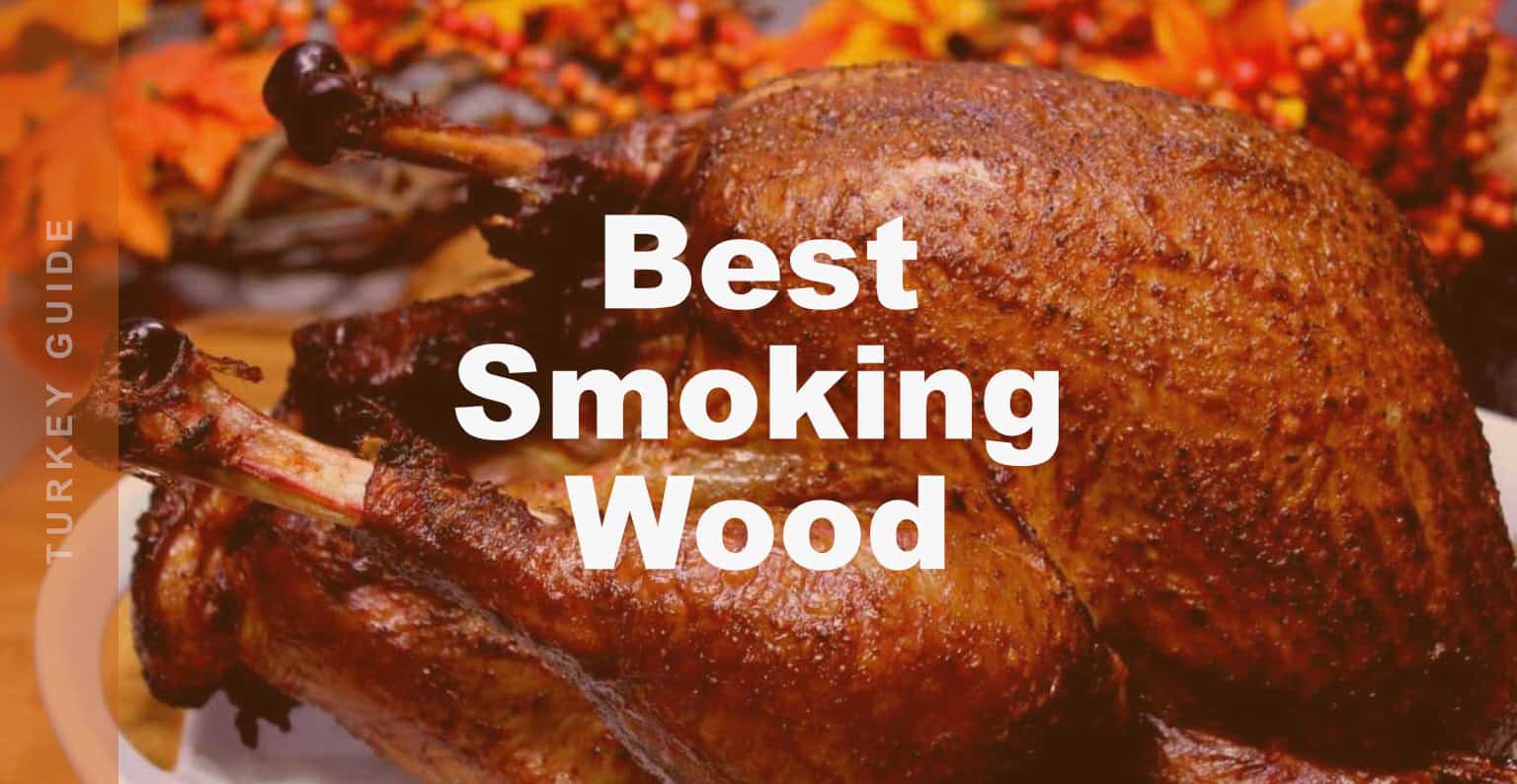
Smoking-Meat.com is supported by its readers. We may earn an affiliate commission at no extra cost to you if you buy through a link on this page.
Choosing the Right Wood for Turkey
One of the most common questions people ask before smoking a turkey is which wood they should use, and while there are certainly some woods that pair better with turkey than others, I think people sometimes worry about this decision more than they need to.
The truth is that turkey is fairly forgiving when it comes to smoke wood, and if you focus on producing clean smoke and cooking the bird properly, you can turn out an excellent turkey with several different wood species.
If my recipes and barbecue guides have helped you over the years, becoming a member is one of the best ways to support my family's business. As a thank you, you'll enjoy every recipe and article completely ad free for less than $2 a month.
Ad free • Instant access • Cancel anytime
That said, some woods complement turkey better than others, and after cooking a lot of birds over the years, I definitely have a few favorites.
My Favorite Wood for Smoking Turkey
If I could choose only one wood for smoking turkey, it would be pecan.
I like pecan because it sits in a sweet spot that can be hard to find with other woods. It produces more character than many fruitwoods, but it is still mild enough that it does not overpower the turkey or dominate the flavor of the meal.
Turkey has a naturally mild flavor compared to brisket, pork shoulder, or beef ribs, so I generally prefer woods that complement the meat rather than compete with it.
Pecan does exactly that.
It provides a rich, slightly nutty smoke profile that works beautifully with poultry, and it is versatile enough that I rarely hesitate to use it regardless of how I am seasoning the bird.
If someone asked me for a single wood recommendation and wanted the shortest possible answer, I would simply say pecan.
Pecan and Cherry Make a Great Combination
While pecan is often my first choice, one of my favorite combinations is pecan and cherry.
Cherry contributes a mild sweetness and helps produce beautiful color on the turkey skin, while pecan provides the deeper smoke flavor that gives the bird a little more personality.
The two work exceptionally well together because neither one overpowers the turkey, and the combination tends to appeal to just about everyone sitting around the Thanksgiving table.
If you have both available, it is hard to go wrong with that pairing.
Pecan and Fruitwoods
Pecan also plays well with most fruitwoods, which is another reason I like it so much.
Apple, cherry, peach, pear, and similar woods can all work beautifully when paired with pecan because they add subtle sweetness while allowing the turkey itself to remain the star of the show.
You do not need to follow an exact formula here. If you enjoy experimenting with different wood combinations, pecan provides an excellent foundation that blends naturally with many of the fruitwoods commonly used for poultry.
A Surprising Favorite: Mulberry
One of the best turkeys I have ever cooked was smoked entirely with mulberry.
Mulberry is not nearly as common as pecan, cherry, or apple, which means many backyard cooks never have the opportunity to try it, but if you happen to have access to it, do not overlook it.
The smoke flavor was mild, pleasant, and balanced, and the turkey turned out absolutely fantastic.
I would not tell someone to go on a scavenger hunt looking for mulberry, but if you already have it available, it is definitely worth trying.
What About Pellet Smokers?
If you are cooking on a pellet smoker, the decision is often a little easier because many pellet manufacturers already offer blended products designed to work across a variety of meats.
For turkey, I often use a competition blend, which typically contains some combination of woods such as hickory, cherry, and maple.
These blends work well because they provide a balanced smoke profile without forcing you to overthink the decision.
In many cases, a quality competition blend is all you need to produce an excellent Thanksgiving turkey.
Is Oak Good for Turkey?
Absolutely.
If I have pecan available, I will usually choose pecan first, but if all I had was oak, I would not hesitate to use it.
Oak produces a clean smoke flavor and works well with poultry, even if it is not my personal first choice for turkey.
Some folks in Texas might argue that oak belongs at the top of the list, and there is certainly nothing wrong with that position.
For me, pecan simply offers a flavor profile that I think complements turkey a little better.
But if your wood pile is full of oak and Thanksgiving is approaching, use the oak and enjoy the turkey.
What About Hickory?
Hickory can absolutely be used for turkey, but I generally recommend a lighter touch.
Turkey does not need nearly as much smoke intensity as brisket or pork shoulder, and heavy hickory smoke can sometimes overwhelm the meat if you are not careful.
That does not mean hickory is wrong.
It simply means moderation is your friend.
A little hickory blended with milder woods often produces a better result than relying on hickory alone.
What About Mesquite?
Mesquite is one of the few woods that I approach cautiously with turkey.
Some people love mesquite and use it successfully on everything they cook, but for most backyard cooks, mesquite can become overpowering fairly quickly when paired with a mild meat like turkey.
If mesquite is your favorite wood and you understand how it behaves, go for it.
For the average Thanksgiving cook looking for the safest recommendation, however, I would steer toward pecan, cherry, apple, maple, or oak first.
The Bigger Question Is Usually Smoke Management
One thing I have learned over the years is that many people spend a lot of time worrying about whether they chose the perfect wood species while paying very little attention to the quality of the smoke itself.
In reality, clean smoke matters far more than finding the perfect wood.
Thin blue smoke from almost any quality smoking wood will usually produce better results than thick white smoke from the “ideal” wood species.
Before worrying about whether pecan is better than cherry or cherry is better than oak, focus on producing clean, pleasant smoke and maintaining steady temperatures throughout the cook.
That will have a much bigger impact on the final turkey.
Planning the Rest of the Cook
Choosing the right wood is only one part of the process.
You still need to manage thawing, brining, cooking temperatures, and timing if you want the entire cook to go smoothly, especially when you’re preparing turkey for Thanksgiving or another special meal.
Helpful planning guides:
Best temperature for smoking a turkey
Thanksgiving turkey cooking timeline
Frequently Asked Questions
What is the best wood for smoking turkey?
If I could only choose one, I would pick pecan because it provides excellent flavor without overpowering the turkey.
Can I use oak for turkey?
Absolutely. Oak works very well with turkey and is a perfectly good choice if that is what you have available.
Is hickory too strong for turkey?
Not necessarily, but it is usually best used in moderation or blended with milder woods.
Can I use a competition blend in a pellet smoker?
Yes. Competition blends are often an excellent choice because they provide balanced smoke flavor without requiring much guesswork.
Is mesquite good for turkey?
It can be, but it is stronger than most woods commonly recommended for poultry and can overpower the meat if used too aggressively.
Final Thoughts
If there is one lesson I would leave you with, it is that choosing a smoke wood for turkey does not need to be complicated.
Pecan remains my favorite because it strikes an excellent balance between flavor and restraint, but cherry, apple, maple, oak, and many other woods can all produce outstanding results when used properly.
Rather than chasing the perfect wood species, focus on producing clean smoke, maintaining steady temperatures, and cooking the turkey to the proper internal temperature.
Do those things well, and the wood choice becomes much less stressful.
Don’t Lose This Article
Enter your email and I’ll send a link to this article straight to your inbox so you can read it anytime.