

Why Is My Brisket Cooking Too Fast but Still Tough?
I may earn a commission if you buy through links on this page, at no extra cost to you.
If a brisket seems to be cooking much faster than expected but is still tough, the first thing I would check is how you are deciding it is done. Reaching a temperature that works for roast beef does not mean a brisket has cooked long enough to become tender, and a short or barely noticeable stall does not mean the cook has gone wrong.
$19/year
Less than $1.60 a month, billed annually.
Renews yearly until canceled.
Already a member? Log In
Check the Actual Cooking Temperature
Use a reliable temperature probe near the brisket at grate level, without letting it touch the meat or the metal grate. A thermometer high in the lid can read differently from the heat reaching the food, especially in an offset smoker where one end may be much hotter than the other.
If the brisket is beside the opening from the firebox, move it away from that strongest heat and protect the thinner part of the flat from the hottest area. You can also check your thermometer using an appropriate ice-water or boiling-water test, allowing for your elevation when using boiling water. Touching the outside of a hot smoker is not a reliable thermometer test.
Use the Charcoal Grate in the Firebox
The grate in the firebox keeps coals above the accumulating ashes so air can reach the fire. Building directly on the bottom can let the ashes choke off the air, making the fire harder to manage. Keep enough space below the grate for the ashes and maintain a clean-burning fire rather than trying to control the cook by smothering it.
Let Tenderness Decide When the Brisket Is Finished
Start checking tenderness when the brisket reaches the upper 190s, and probe several places in the flat. When it is ready, the probe should slide in with very little resistance, much like pushing into softened butter. If it is still tight, give it more time rather than treating the clock or a single temperature reading as the finish line.
Hours per pound are only a planning tool, so an 8-pound brisket does not have to take exactly the same time as another 8-pound brisket. Thickness, wrapping and the cooking temperature all affect the schedule. On the other hand, a brisket that reaches 140 or 160°F quickly is still well short of the tenderness you are looking for, even though it has already spent several hours in the smoker.
Wrapping Can Help, but It Does Not Replace the Rest of the Cook
If the bark has the color and texture you want, wrapping can help move the brisket through the slower part of the cook. It still needs to cook until it is tender, followed by a proper rest before slicing, so wrapping is a tool for managing the process rather than a way to declare the brisket finished early.
More Help With Brisket and Smoker Temperature
Read How to Tell When a Brisket Is Done for the probe test, The Brisket Stall Explained for the slow part of the cook, and Where to Measure Smoker Temperature to check what is happening around the meat.
For the complete cooking process, see my Ultimate Guide to Smoking Brisket.
Join the Smoking Meat Community
Have a question about this technique or want help with your next cook?
Join the conversation with other backyard pitmasters.
From my backyard to yours
Jeff’s Handcrafted
Seasoning and Sauce
The rubs and sauces I use in my own backyard
and throughout these recipes.
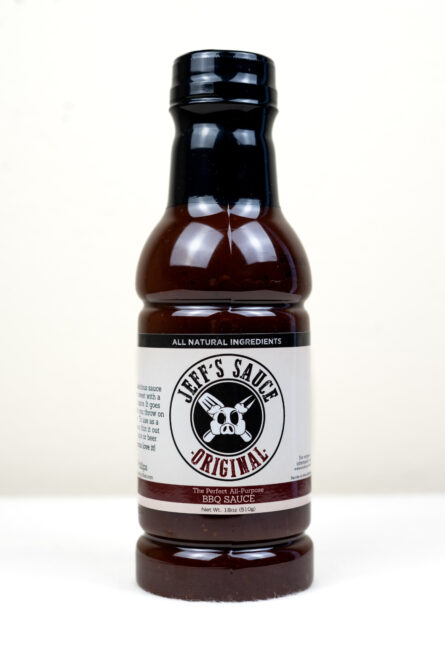
CLASSIC BARBECUE
Original BBQ Sauce
Rich tomato flavor, balanced sweetness and a gentle kick.
$8.99per bottle
Shop Now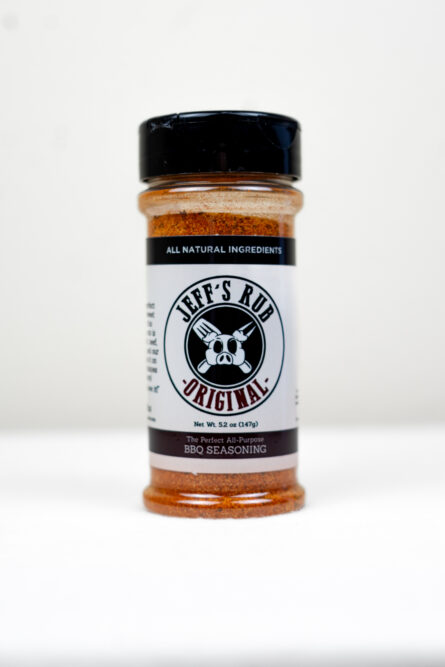
THE SIGNATURE BLEND
Original Rub
Sweet, savory and a touch of heat for your next cook.
$8.99per bottle
Shop Now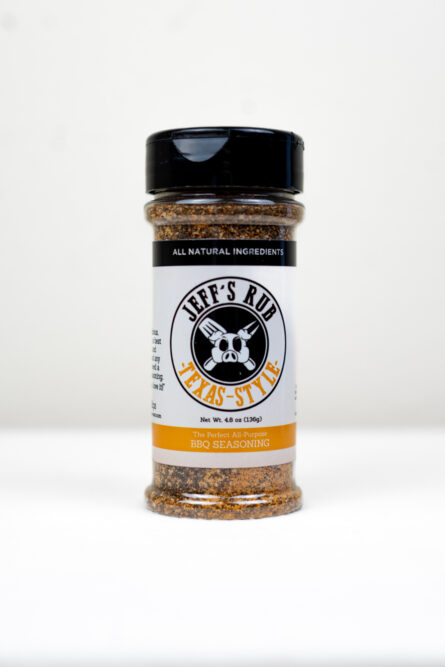
BOLD & PEPPERY
Texas Style Rub
Pepper forward flavor for brisket, steaks and more.
$8.99per bottle
Shop Now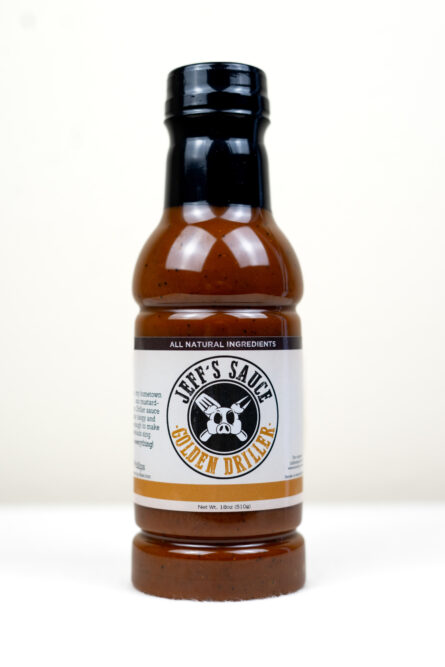
MUSTARD BBQ SAUCE
Golden Driller
Smooth mustard tang with just the right sweetness.
$8.99per bottle
Shop NowFind your next favorite at Thin Blue Foods

Hey Jeff,
thanks again for your newsletter. I have a question for you…is there any advantage to using wood chunks over wood chips. I think they’re cheaper so that’s on big advantage there but the chips seem to come in more flavors so I was wondering if the chunks are more efficient, provide more smoke, etc. or if the chips are better in this regard. i’ve been mix and matching (hickory chunks + cherry chips) with good results.
I smoked two briskets at the same time. They are very close to the same size. One came out very tender but the other one wasn’t nearly tender enough. Can you explain why this happens?
Cindy, no two briskets are exactly the same and you must check each one individually and ONLY remove it from the smoker when it reaches the correct tenderness and/or temperature. When smoking one or multiple briskets, use a digital meat thermometer and when it reaches about 198 to 200°F, you can poke it with a sharp object such as a probe or even a long toothpick and it should feel like it’s going into hot butter. If it’s done, remove it, if not, let it keep cooking until it passes the test.