

Smoked Chuck Roast Recipe
Smoking-Meat.com is supported by its readers. We may earn an affiliate commission at no extra cost to you if you buy through a link on this page.
Chuck roast is one of my favorite cuts of beef to smoke because it delivers big beefy flavor without the price tag of a brisket. When cooked low and slow, the connective tissue slowly breaks down until the meat becomes tender, juicy, and loaded with smoky goodness.
Whether you plan to slice it for dinner or pull it apart for sandwiches, tacos, or baked potatoes, smoked chuck roast is an easy way to feed a crowd with amazing results. In this recipe, I'll show you exactly how I smoke chuck roast from start to finish, including how to dry brine it, season it, choose the best smoking wood, wrap it in butcher paper, and rest it for maximum tenderness.
If my recipes and barbecue guides have helped you over the years, becoming a member is one of the best ways to support my family's business. As a thank you, you'll enjoy every recipe and article completely ad free for less than $2 a month.
Ad free • Instant access • Cancel anytime
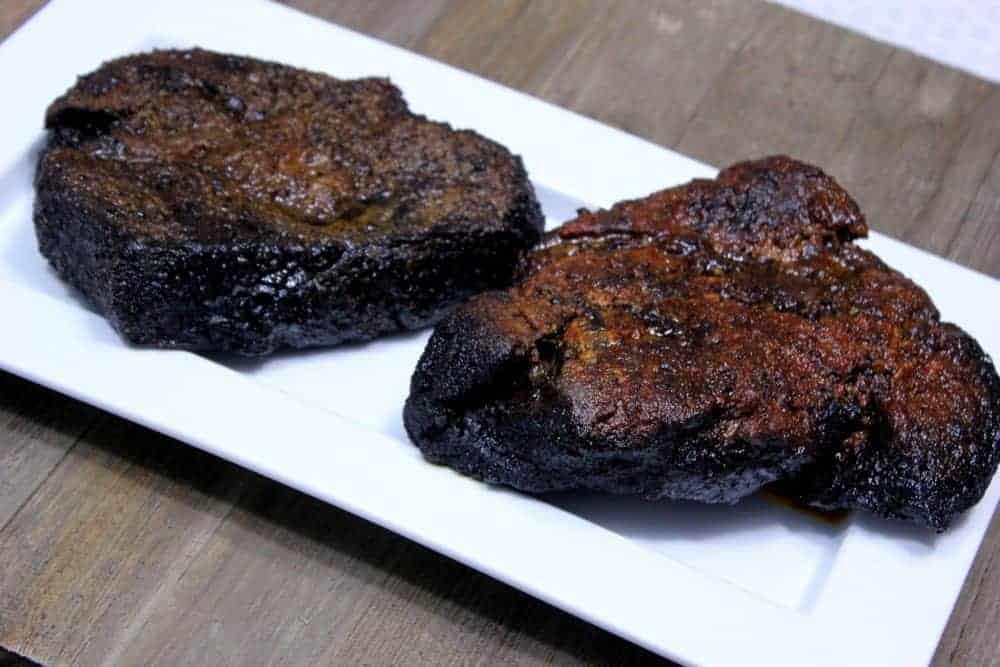
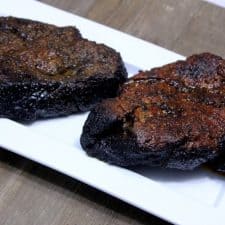
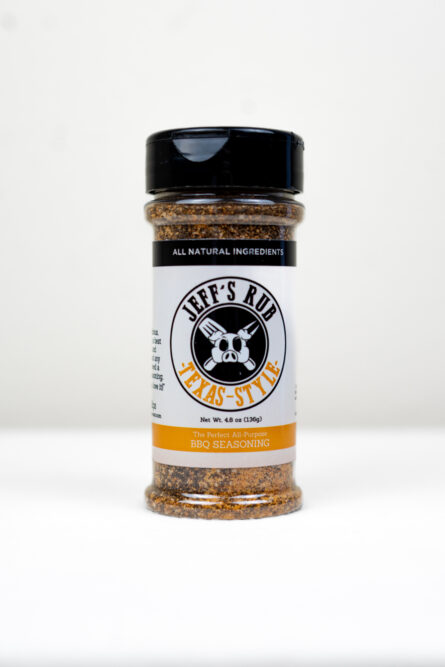
Along the way, I'll also share the results of one of my favorite experiments where I smoked two chuck roasts side by side using my Original Rub on one and my Texas Style Rub on the other. Both turned out fantastic, but each had its own unique flavor profile.
Recipe At A Glance
Prep Time: 30 minutes
Dry Brine Time: 6 hours or overnight
Cook Time: About 8 hours (depends more on thickness than weight)
Smoker Temperature: 225°F (107°C) to 240°F (116°C)
Target Internal Temperature: 200°F (93°C) to 205°F (96°C)
Rest Time: 1 to 2 hours
Recommended Wood: Pecan
Difficulty: Easy
Servings: 6 to 8
Why You'll Love This Recipe
If you've never smoked a chuck roast before, you're going to be surprised at just how good it is. This affordable cut of beef develops a rich smoky flavor, a beautiful bark, and becomes fall apart tender when cooked low and slow.
Unlike brisket, chuck roast is smaller, cooks faster, and is easier to find at almost any grocery store, making it a great choice for backyard pitmasters who want amazing barbecue without the extra cost or commitment.
This recipe uses a simple dry brine, your favorite barbecue rub, and butcher paper to help create juicy beef with outstanding texture and flavor. Once it's finished, you can slice it for a hearty dinner or pull it apart for sandwiches, tacos, nachos, baked potatoes, and countless other meals.
Whether you're cooking your first chuck roast or your fiftieth, this method is simple, reliable, and produces delicious results every time.
What Is Chuck Roast?
Chuck roast comes from the shoulder of the steer, an area that gets a lot of exercise during the animal's life. Because of that, the meat contains plenty of connective tissue along with rich beefy flavor and good marbling.
While chuck roast can be tough if cooked too quickly, it becomes incredibly tender when smoked low and slow. As the internal temperature climbs, the connective tissue slowly breaks down into gelatin, creating juicy meat with a rich texture that's perfect for barbecue.
One of the things I like most about chuck roast is its size. It's much smaller than a full packer brisket, making it less expensive, easier to find, and a great choice when you're cooking for family or a small gathering.
Smoke it until it's probe tender at around 200°F (93°C) to 205°F (96°C), give it a good rest, and you'll end up with tender smoked beef that's excellent sliced for dinner or pulled apart for sandwiches, tacos, nachos, and more.
Ingredients
- 1 chuck roast, about 2 to 4 pounds
- Kosher salt, for dry brining
- Olive oil
- Yellow mustard
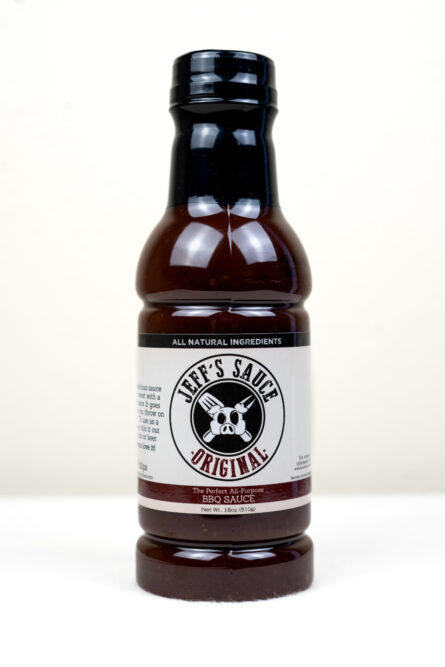
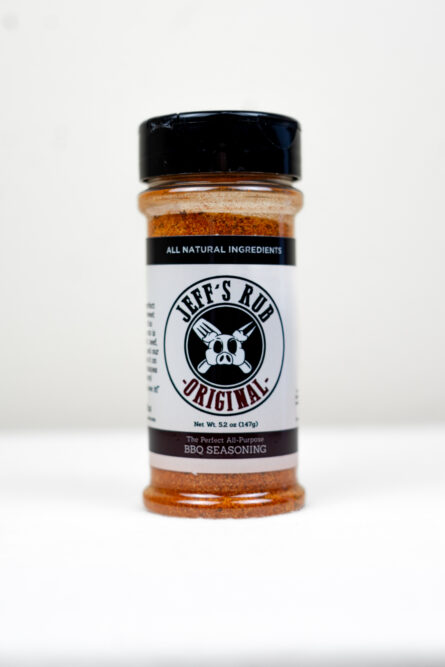
- Jeff's Original Rub (optional)
- Jeff's Texas Style Rub (optional)
Equipment Needed
- Smoker capable of maintaining 225°F (107°C) to 240°F (116°C)
- Pecan wood chunks, chips, or pellets
- Sheet pan or large plate
- Small bowl for salt and rub
- Basting brush for applying oil or mustard
- Remote meat thermometer
- Instant read thermometer
- Unwaxed pink or brown butcher paper (optional)
- Sharp slicing knife
- Large cutting board
Prepare the Meat
Remove the chuck roast from the packaging and pat it dry with paper towels. If there's any loose pieces of fat or silver skin hanging from the surface, trim those away, but leave most of the fat in place since it will help keep the meat moist during the long cook.
If your chuck roast has a heavy fat cap that's more than about ¼ inch thick, you can trim it down slightly. There's no need to remove it completely.
At this point, decide whether you're cooking one chuck roast or several. The process is exactly the same, and multiple roasts can be smoked at the same time as long as there's enough space for the smoke and heat to circulate around each one.
Dry Brine
Dry brining is one of my favorite ways to season beef because it improves the flavor all the way through instead of just on the surface. It's a simple step, but it makes a big difference.
Place the chuck roast on a sheet pan or large plate and sprinkle kosher salt evenly over the top. You don't need to completely cover the meat, but don't be too stingy either. A good rule of thumb is about ½ teaspoon of kosher salt per pound of meat.
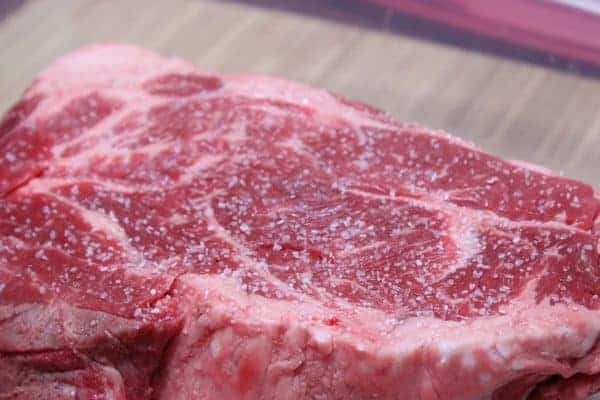
Place the roast uncovered in the refrigerator for about 2 hours, then flip it over and season the other side with the same amount of salt. Return it to the refrigerator for another 4 hours or overnight.
As the salt dissolves, it draws moisture to the surface before carrying that seasoning back into the meat. The result is a chuck roast that's seasoned throughout while still allowing the barbecue rub to shine during the cook.
Jeff's Tip: Don't skip the dry brine if you have the time. It seasons the meat all the way through instead of just on the surface and helps bring out the natural beef flavor without making the roast taste overly salty.
Season with Rub
Once the dry brining process is complete, remove the chuck roast from the refrigerator. If there's a little moisture on the surface, that's perfectly normal and will help the seasoning stick.
Brush the outside of the roast with a light coating of olive oil or yellow mustard. Either one works well as a binder and won't leave a noticeable flavor once the meat is cooked.
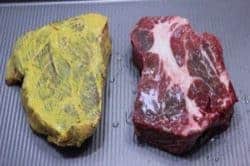
For a savory Texas style flavor, season the chuck roast generously with Jeff's Texas Style Rub. If you prefer a sweeter barbecue profile with just a little kick, use Jeff's Original Rub instead.
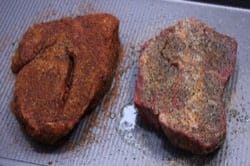
Apply the rub to all sides of the roast, pressing it gently into the surface as needed. Let the meat sit at room temperature while you prepare the smoker. After 15 to 20 minutes, the rub will begin to absorb moisture from the meat and develop the wet appearance that's perfect for smoking.
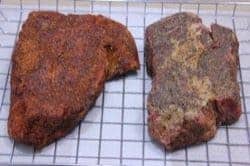
Jeff's Tip: I tested this recipe with both Jeff's Original Rub and Jeff's Texas Style Rub. The Original gives the beef a sweet and slightly spicy barbecue flavor, while the Texas Style Rub lets the natural beef flavor take center stage. You really can't go wrong with either one.
Best Wood for Smoking Chuck Roast
Pecan is my favorite wood for smoking chuck roast because it provides a rich smoke flavor that's strong enough for beef without overpowering it. It produces a smooth, slightly nutty flavor that pairs perfectly with the natural richness of the meat.
If pecan isn't available, oak is another excellent choice and is a favorite for Texas style barbecue. Hickory also works well if you enjoy a bolder smoke flavor.
Avoid using too much mesquite unless you're already familiar with it, since it can become overpowering on a long cook. Whatever wood you choose, use clean, thin smoke for the best flavor.
Jeff's Tip: Don't worry if you can't find pecan wood. Oak and hickory both produce fantastic smoked chuck roast. The key is using clean, thin smoke instead of heavy white smoke that can leave the meat bitter.
Set Up the Smoker
Set up your smoker for indirect cooking at 225°F (107°C) to 240°F (116°C). This temperature range gives the connective tissue plenty of time to break down while allowing the roast to develop a deep smoky flavor and a beautiful bark.
If your smoker uses a water pan, fill it with hot water before adding the meat. While it's not required, the added moisture can help maintain a stable cooking environment during the long cook.
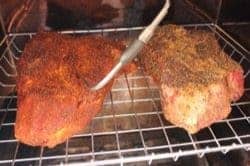
Once the smoker is producing clean, thin smoke and has settled into the desired temperature range, place the chuck roast directly on the cooking grate. Insert a remote thermometer probe into the thickest part of the meat if you're using one, then close the lid and let the smoker do its job.
Smoke the Chuck Roast
Place the chuck roast in the smoker and let it cook undisturbed until it reaches an internal temperature of about 160°F (71°C). This usually takes around 4 hours, but don't cook by the clock. Every piece of meat is different, so rely on temperature rather than time.
Keep the smoker running between 225°F (107°C) and 240°F (116°C) throughout the cook and avoid opening the lid any more than necessary. Every time the lid is opened, heat escapes and adds unnecessary time to the cook.
As the roast smokes, the outside will darken and develop a flavorful bark while the inside slowly becomes more tender. Once the internal temperature reaches about 160°F (71°C), it's time to wrap the roast and continue cooking until it's perfectly tender.
Wrap the Chuck Roast
When the chuck roast reaches about 160°F (71°C), remove it from the smoker and wrap it tightly in unwaxed pink or brown butcher paper.
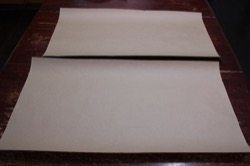
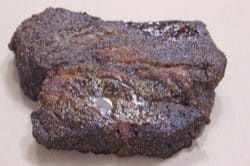
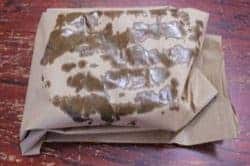
I prefer butcher paper over foil because it allows the meat to breathe while still helping retain moisture. The paper absorbs excess grease, lets a little smoke pass through, and helps preserve the bark instead of steaming it soft like foil often does.
Many barbecue restaurants use butcher paper when cooking brisket, and it works just as well for chuck roast.
Once the roast is wrapped, return it to the smoker and insert the thermometer probe back through the paper into the center of the meat. Continue cooking until it becomes tender and reaches an internal temperature of about 200°F (93°C) to 205°F (96°C).
Jeff's Tip: I switched from foil to butcher paper years ago for brisket and chuck roast because the bark stays much firmer while the meat still retains plenty of moisture. It's a small change that makes a big difference.
Finish the Cook
Continue cooking the wrapped chuck roast until it reaches an internal temperature of about 200°F (93°C) to 205°F (96°C). More importantly, cook until it's probe tender, meaning a temperature probe or skewer slides into the meat with almost no resistance. If it still feels tight, give it another 15 to 20 minutes and check again.
Once the roast is tender, leave it wrapped and let it rest for 1 to 2 hours before slicing or pulling. This resting period gives the juices time to redistribute throughout the meat while allowing the connective tissue to finish breaking down, resulting in a more tender and flavorful chuck roast.
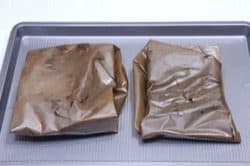
You can rest the wrapped roast in an empty insulated cooler, a smoker set to 150°F (66°C) to 170°F (77°C), or an oven set to its lowest temperature. Don't skip the rest. It's one of the easiest ways to improve the finished product.
Jeff's Tip: Temperature is only a guide. If your thermometer reads 203°F (95°C) but the probe still feels tight, keep cooking until it slides into the meat with almost no resistance.
Slice and Serve
After the resting period, unwrap the chuck roast and transfer it to a cutting board. Slice it across the grain with a sharp knife for the most tender bite.
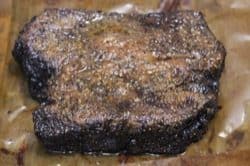
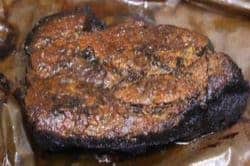
If the roast is especially tender, you may find that it pulls apart almost effortlessly. That's perfectly fine too. Pulled smoked chuck roast is outstanding on sandwiches, tacos, nachos, baked potatoes, or piled on top of mashed potatoes with a little barbecue sauce.
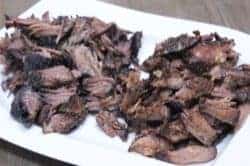
Whether you slice it or pull it, you'll be rewarded with juicy, smoky beef that's packed with flavor and guaranteed to disappear fast.
Jeff's Tip: I almost always cook an extra chuck roast because the leftovers are incredible. Pile the pulled beef onto sandwiches, tacos, nachos, baked potatoes, or mac and cheese for an easy meal the next day.
How Long Does It Take?
A chuck roast usually takes about 8 hours to smoke at 225°F (107°C) to 240°F (116°C), but every roast cooks a little differently.
One of the biggest factors is thickness, not weight. A thick 2½ pound roast may take just as long as a flatter 4 pound roast because the heat has to travel to the center of the meat before the connective tissue can fully break down.
The stall, the amount of marbling, outside temperature, and how often the smoker is opened can also affect the total cooking time.
For the best results, cook until the roast is probe tender rather than relying on the clock. When a temperature probe slides into the meat with little resistance, it's ready to come off the smoker.
Common Mistakes
- Skipping the dry brine. A simple dry brine helps season the meat all the way through and improves the final flavor.
- Cooking by time instead of tenderness. Every chuck roast is different. Use internal temperature as a guide, but don't pull it off until it's probe tender.
- Wrapping too early. Wait until the bark has formed and the internal temperature reaches about 160°F (71°C) before wrapping in butcher paper.
- Using foil instead of butcher paper. Foil traps steam and can soften the bark. Butcher paper allows the meat to breathe while helping retain moisture.
- Skipping the rest. Let the roast rest for at least 1 hour before slicing or pulling so the juices have time to redistribute throughout the meat.
- Slicing with the grain. Always slice across the grain for the most tender bite.
Frequently Asked Questions
Can I smoke a frozen chuck roast?
No. For even cooking and food safety, thaw the roast completely in the refrigerator before seasoning and smoking.
Do I have to dry brine the chuck roast?
No, but I highly recommend it. Dry brining seasons the meat throughout and helps produce a better tasting finished product.
Should I wrap the chuck roast?
Wrapping in unwaxed butcher paper once the roast reaches about 160°F (71°C) helps retain moisture while preserving the bark. You can leave it unwrapped if you prefer a firmer bark, but the cook will usually take longer.
Can I use a pellet grill?
Absolutely. A pellet smoker works great for chuck roast. Set it to 225°F (107°C) to 240°F (116°C) and cook until the meat is probe tender.
Should I slice or pull smoked chuck roast?
You can do either. Slice it across the grain for a traditional barbecue meal or pull it apart for sandwiches, tacos, nachos, baked potatoes, and other dishes.
Can I make this recipe ahead of time?
Yes. In fact, smoked chuck roast reheats exceptionally well, making it a great choice for meal prep or feeding a crowd.
Storage and Reheating
Store leftover smoked chuck roast in an airtight container in the refrigerator for up to 4 days.
For longer storage, wrap portions tightly and freeze for up to 3 months. Thaw overnight in the refrigerator before reheating.
To reheat sliced or pulled chuck roast, place it in a covered pan with a few tablespoons of beef broth or water and warm it in a 300°F (149°C) oven until heated through. You can also reheat it gently in a covered skillet over medium low heat.
Avoid overheating the meat, as that can cause it to dry out. Gentle reheating helps preserve the tenderness and smoky flavor.
Final Thoughts
Chuck roast may not get the attention that brisket does, but don't overlook it. It's affordable, easy to find, and produces incredible barbecue when cooked low and slow.
With a simple dry brine, a good barbecue rub, clean smoke, and plenty of time to become tender, this humble cut of beef transforms into a meal that's worthy of any backyard barbecue. Whether you slice it for dinner or pull it for sandwiches, tacos, or nachos, it's sure to become a regular part of your smoking rotation.
Give this recipe a try and let me know how it turns out. I'd also love to hear whether you prefer the savory flavor of Jeff's Texas Style Rub or the sweet and spicy profile of Jeff's Original Rub.
Smoked Chuck Roast Recipe
Ingredients
- 1 chuck roast (2 to 4 pounds)
- Kosher salt
- Olive oil or yellow mustard
- Jeff's Original Rub (optional)
- Jeff's Texas Style Rub (optional)
Instructions
- Pat the chuck roast dry and trim any loose fat or silver skin.
- Dry brine with kosher salt for 6 hours or overnight.
- Coat the roast lightly with olive oil or yellow mustard.
- Season generously with Jeff's Original Rub or Jeff's Texas Style Rub.
- Preheat the smoker to 225°F (107°C) to 240°F (116°C) using pecan wood.
- Smoke until the internal temperature reaches about 160°F (71°C).
- Wrap the roast in unwaxed butcher paper and return it to the smoker.
- Continue cooking until the roast reaches 200°F (93°C) to 205°F (96°C) and is probe tender.
- Rest the wrapped roast for 1 to 2 hours.
- Slice across the grain or pull the meat and serve.
Notes
More Beef Recipes You'll Love
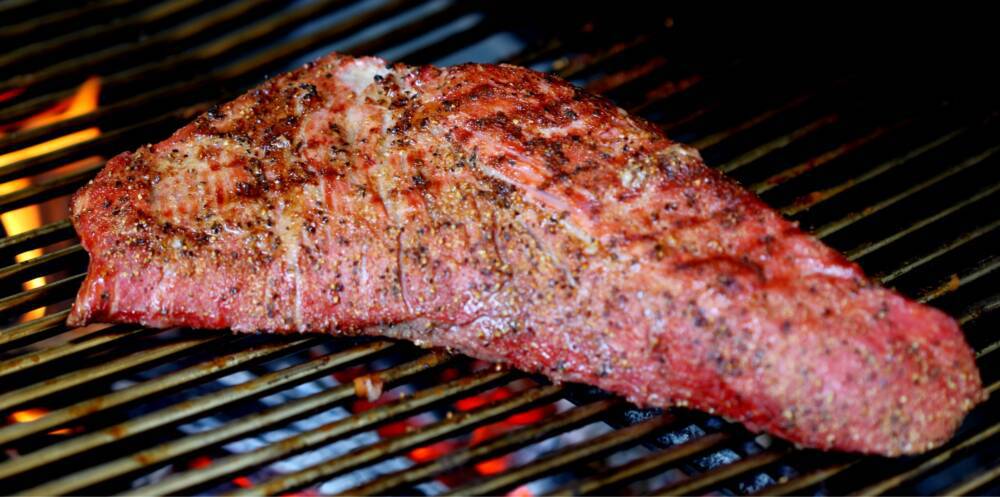
Smoked Tri Tip Recipe
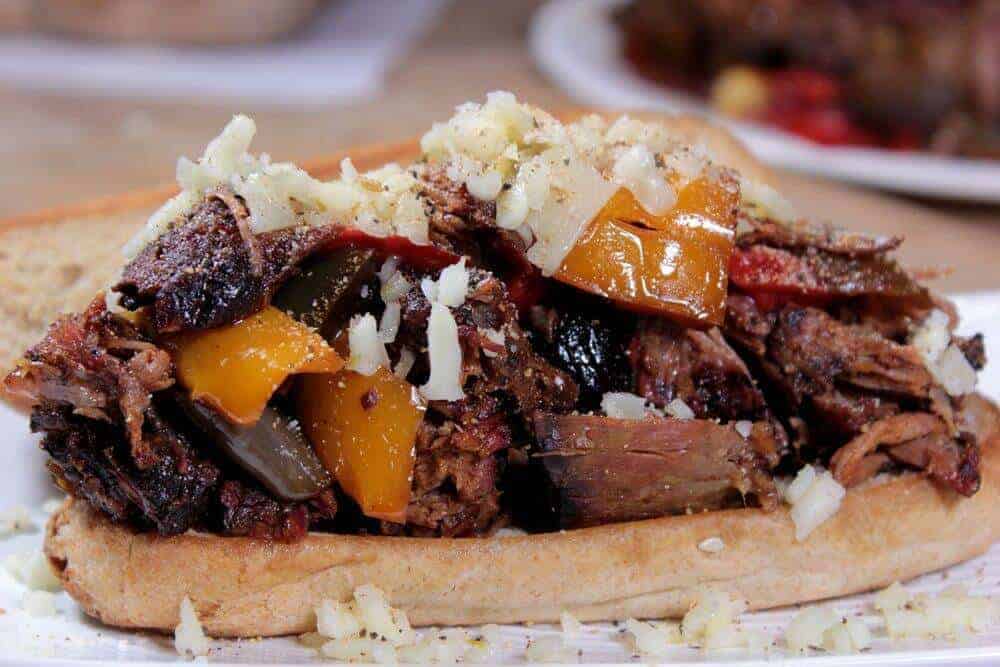
Bourbon Smoked Chuck Roast
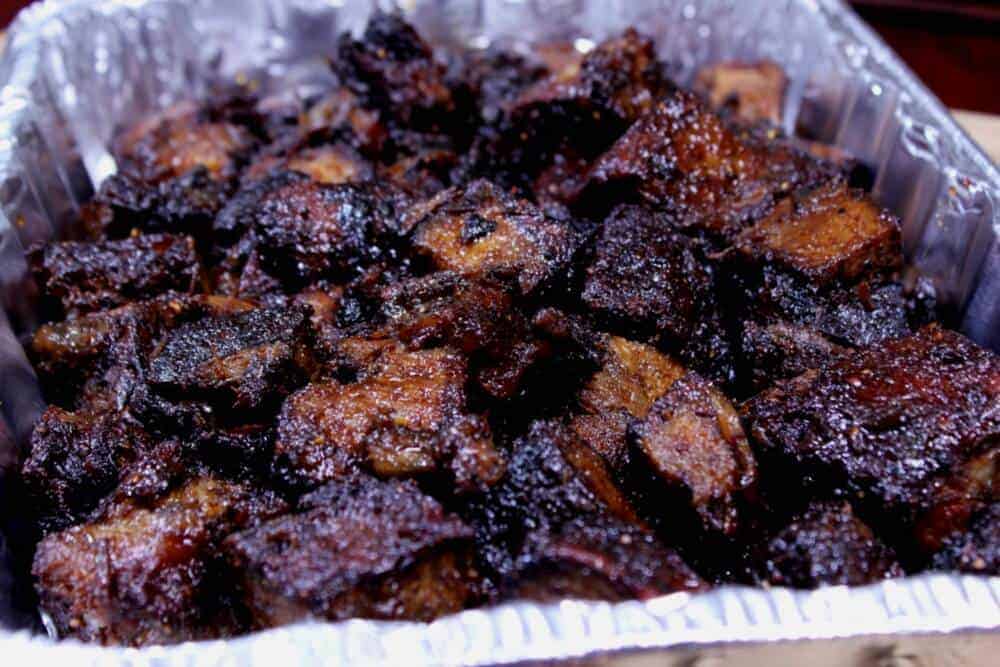
Smoked Chuck Roast Burnt Ends
Corned Beef Burnt Ends
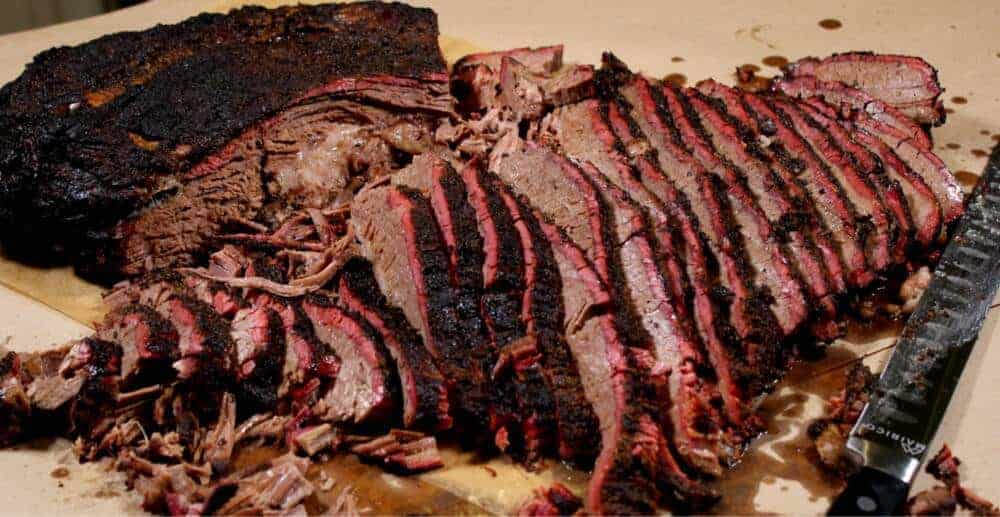
The “Wooster” Brisket – The Best Smoked Brisket
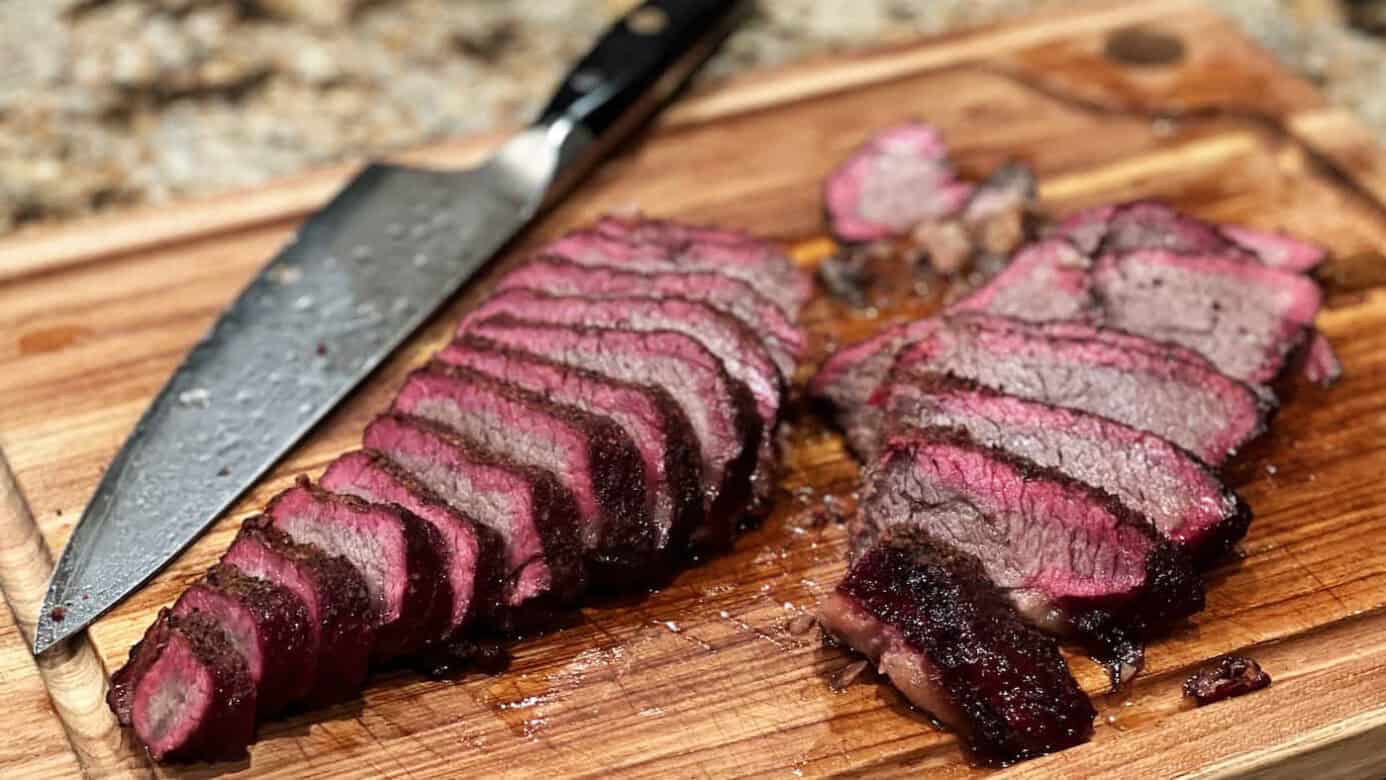
Brisket Style Tri Tip
Don’t Lose This Recipe
Enter your email and I’ll send a link to this recipe straight to your inbox so you can find it anytime.
Join the Smoking Meat Community
Got a question about this cook or want to share your results?
Join the conversation with other backyard pitmasters.

I’m smoking the meat as I type. I see some comments about finding the butcher paper. I found it at home depot. Its specifically marked for use in smokers.
Good evening Jeff from AZ. Please forgive me for not rating your recipe on this note, I have had both and rated them previously, and unlike some I don’t vote but once, whether your rubs, baseball AllStare ballots or elections. My comment and question for you is this: I have my own rub I use, it is unique but similar to other rubs, (I try all kinds for flavor differences, and make different ones myself for fun) it has a higher salt content and therefore I use it as my brine. Have you ever used your Texas rub or any other rub as a brine since it has a high salt content as a dry brine/rub all in one? If so, what did you experience as the outcome, good or bad. I should also say that I use my main rub on larger chunks of dead flesh and I try to give them 24 to 48 hours of ‘brine’ time. As a side bar, my preference on wood is Mesquite. Not sure what state you are in but in AZ, Mesquite is quite available and for this white boy, nothing is better. Not saying that any of the other woods are bad, smoked with them all, but we like what we like. Thank you for your attention to this matter, lol.
Jeff how long do you keep the smoke going when cooking this?
Does it matter if you spritz?
Can the roasts be finished in a crock pot rather than an oven, and if so, is it still best to wrap them in the butcher paper?
I have made this recipe a few times and used parchment paper instead of butcher/craft paper. The roasts have turned out great every time.
Have been wanting to do a brisket, just too big for the two of us. When i saw this it looked great so i tried it today. i wrapped at 162 with butcher paper. put it in a cooler at 200. Cut into it an hr later it was very tasty somewhat tender, but pretty dry. any thoughts ? Along with this i did 3 racks of ribs. they came out perfect !!
Temp was constant at 225-35.
I anyways wrap my meat in old towels and stuff into small cooler fo a couple of hours. Towels really help hold the heat.
I only could find butcher paper that had that glossy look on one side..will this work or no
That will not work unfortunately.. the glossy stuff is a coating that keeps the paper from “breathing”. Try searching for pink butcher paper or pink kraft paper on Amazon. That’s where I found mine.
I got the butcher paper at home depot
Have done beef chuck roasts in the past and nudged them to the 200F range, but without the pink butcher paper. Seemed even at low smoker temp they could easily be dry and tough. After seeing the Franklin videos, its use at a smoker shop class and your recipes, I just had to get some of the butcher paper over the winter and give it a try this season.
Incredible results with the paper. Even with smoker set at 225F, the chuck roasts got to the 160F mark relatively quickly. Wrapped them and could tell the temp climb had slowed. But the paper began to gloss up with the juice from the fat breaking down. At 200F, took them off the smoker and into a 170F oven for 90 min to let them rest.
When unwrapped to slice for dinner, they were just the most incredibly juicy roasts ever. Thanks!
I purchased your rub and sauce RECIPES a while back and enjoy them a lot. Also enjoy the weekly news letters. Looking at the Related smoking recipes I seen…Smoked Corn Beef Brisket for St Pattys Day….
Now wouldn’t that be Pastrami??
Yes sir!
Can one use a plain brown paper bag like used for groceries? Would any ink print on the paper bag be detrimental to the meat during wrapped stage of cooking?
Any issues with using parchment paper instead of kraft?
Parchment paper will not give the same result as it is coated. The Kraft paper allows the meat to breathe while still holding in some of the moisture so the meat can tenderize and stay moist.
Tried it yesterday. It was great tasting, juicy and had a nice bark. Used a kraft paper bag to wrap and it worked well.
I had something come up and can’t smoke the roasts until the following day. Will an extra day of dry brining hurt?
Tom, It should be fine.
do you rinse the brine salt off of the meat before you add your coating (Mustard) and rub?
The salt is minimal and most of it gets drawn back into the meat.. rinsing is not necessary.
do you have to clean the meat with water after the dry brine?
The salt is minimal and most of it gets drawn back into the meat.. rinsing is not necessary.
Great idea on the butcher paper. I don’t like foil for other reasons, like health. I have recently begun using sriracha instead of mustard as a rub base. What a great flavor!!
Sriracha sounds great!