


Smoked Pork Butt (Texas Style Recipe)
Smoking-Meat.com is supported by its readers. We may earn an affiliate commission at no extra cost to you if you buy through a link on this page.
If you're looking for a smoked pork butt that's loaded with savory flavor, beautiful bark, and tender enough to pull apart with your hands, this recipe is for you.
Unlike traditional pulled pork recipes that lean toward sweet barbecue flavors, this Texas style version keeps things simple with a savory salt, pepper, and garlic forward seasoning that lets the pork and smoke shine. The result is a pork butt that's just as good piled onto sandwiches as it is sliced, chopped, or served on a plate with your favorite sides.
If my recipes and barbecue guides have helped you over the years, becoming a member is one of the best ways to support my family's business. As a thank you, you'll enjoy every recipe and article completely ad free for less than $2 a month.
Ad free • Instant access • Cancel anytime
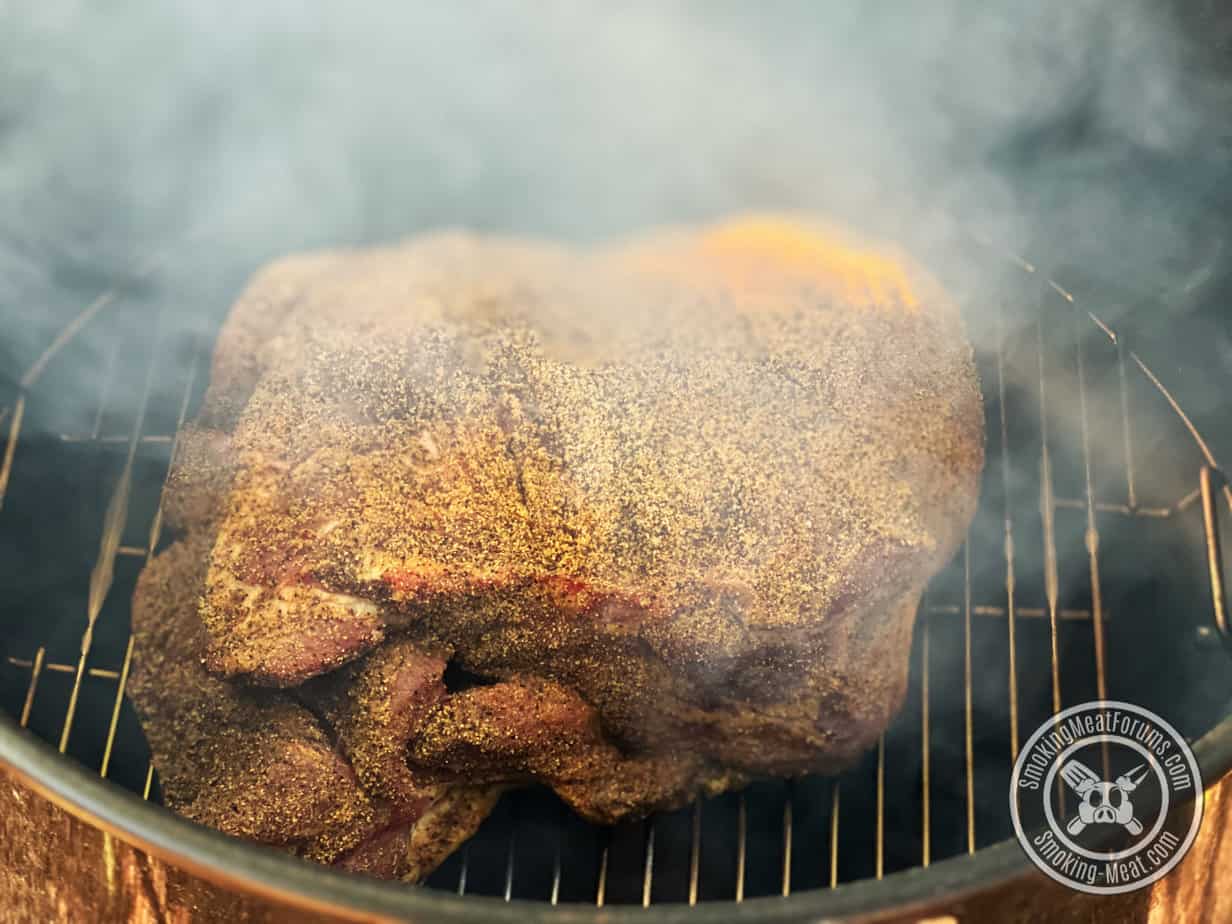
While I used a Pit Barrel Cooker and my Texas Style Rub for this cook, this recipe works just as well on pellet grills, offsets, charcoal smokers, electric smokers, or just about any smoker capable of maintaining a steady temperature.
If you're short on time and need pulled pork in about 5 hours instead of an all day cook, be sure to check out my Hot and Fast Pork Butt Recipe before you get started.
Let's get started.
Recipe At A Glance
- Prep Time: 10 minutes
- Refrigerator Time: 8 hours
- Cook Time: 8 to 14 hours
- Smoker Temperature: 225°F (107°C) to 275°F (135°C)
- Target Internal Temperature: 207°F (97°C)
- Rest Time: 1 hour
- Recommended Wood: Oak with a little mesquite or hickory
- Difficulty: Easy
- Servings: 8 to 10
Short on Time?
This recipe follows a more traditional approach and can take anywhere from 8 to 14 hours depending on the size of the pork butt and your cooking temperature.
If you're looking for a faster option that still delivers tender pulled pork and great bark, check out my 5 Hour Smoked Pork Butt recipe. It uses a hot and fast cooking method that can have dinner on the table in about half the time.
Why You'll Love This Recipe
- Big Texas style flavor with a simple salt and pepper forward seasoning
- Incredible bark with juicy, tender pulled pork
- Works on pellet grills, charcoal smokers, offsets, electric smokers, and more
- Easy enough for beginners but delicious enough for competition level barbecue
- Perfect for sandwiches, tacos, nachos, baked potatoes, and barbecue platters
What Makes It Texas Style?
Traditional Texas barbecue is all about letting the meat speak for itself. Instead of relying on sweet rubs and sugary sauces, Texas pitmasters often season with coarse salt, black pepper, garlic, and a few simple spices that complement the natural flavor of the meat.
This pork butt follows that same philosophy. The savory seasoning creates an incredible bark while the smoke and rendered fat provide all the richness you could ask for. The barbecue sauce is served on the side so everyone can enjoy it exactly the way they like it.
Even if you've always made pork butt with a sweeter rub, I think you'll enjoy this Texas inspired approach. It's simple, beefy, peppery, and absolutely loaded with barbecue flavor.
Texas Style Pork Butt Rub Options
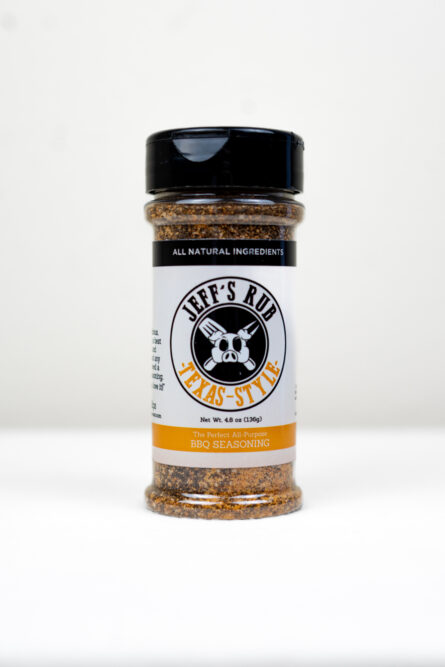
I use Jeff's Texas Style Rub for this recipe because it delivers the savory salt, pepper, and garlic flavor profile that works so well with smoked pork.
If you don't have it on hand, any Texas style rub or SPG style seasoning will work just fine.
You can also make a simple SPOG blend at home:
- 2 tablespoons coarse black pepper
- 2 tablespoons coarse kosher salt
- 1 tablespoon garlic powder
- 1 tablespoon onion powder
The beauty of Texas style barbecue is its simplicity. The seasoning should complement the pork and smoke rather than cover them up. Whether you use my Texas Style Rub, a traditional SPG blend, or this SPOG recipe, the goal is the same: a savory, pepper forward bark that lets the pork shine.
Ingredients
- 1 pork butt (bone in or boneless)
- 2 cups Worcestershire sauce
- 1/2 cup Jeff's Texas Style Rub
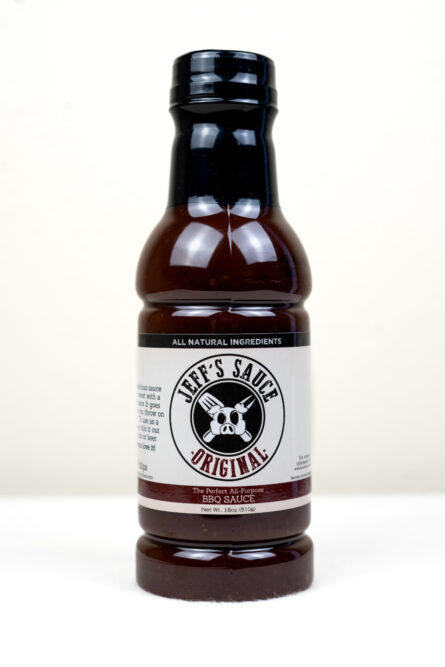
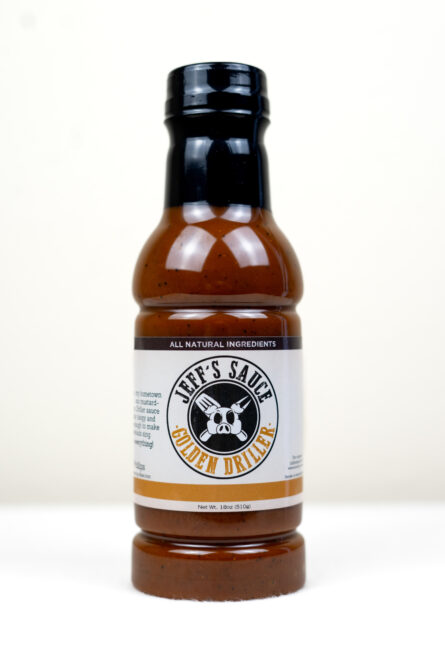
- Jeff's Barbecue Sauce for serving (optional)
Equipment Needed
- Smoker set up for indirect cooking
- Smoking wood
- Half size foil pan
- Heavy duty aluminum foil or unwaxed butcher paper
- Instant read thermometer
- Remote meat thermometer (recommended)
Best Wood for Texas Style Pork Butt
Oak is the traditional choice for Texas barbecue and my first recommendation for this recipe. It produces a balanced smoke flavor that complements the pork without overpowering it.
If you want a more authentic Central Texas profile, use mostly oak with a small amount of mesquite mixed in. The oak provides the foundation while the mesquite adds just enough bold Texas flavor without becoming too strong.
Hickory is another excellent choice and is easier to find in many parts of the country. No matter which wood you choose, clean smoke is always the goal. Thin blue smoke will produce the best flavor while heavy white smoke can leave the pork tasting bitter.
Bone In or Boneless Pork Butt?
This recipe works equally well with either bone in or boneless pork butt, so don't worry if your grocery store only has one or the other.
Bone in pork butts tend to hold their shape a little better during the cook and many pitmasters believe the bone adds a little extra flavor. They're also easy to check for doneness since the blade bone will slide out cleanly when the meat is fully cooked.
Boneless pork butts are easier to season because you can open them up where the bone was removed and get seasoning down into the center of the roast. They're also easier to slice if you decide not to pull the meat.
Whichever you choose, focus on buying one with good marbling and plenty of intramuscular fat. As that fat renders during the cook, it helps keep the pork moist and tender.
The technique is far more important than whether the bone is still in the meat, so buy whichever one looks best and fits your budget.
What Makes This Pork Butt Texas Style?
Traditional Texas barbecue is known for keeping the seasoning simple and letting the meat, smoke, and fire do most of the work. Instead of relying on sweet rubs and sugary glazes, Texas style barbecue usually features coarse salt, black pepper, garlic, and a few savory spices that build a flavorful bark while allowing the natural flavor of the meat to shine.
That's exactly the approach we're taking here.
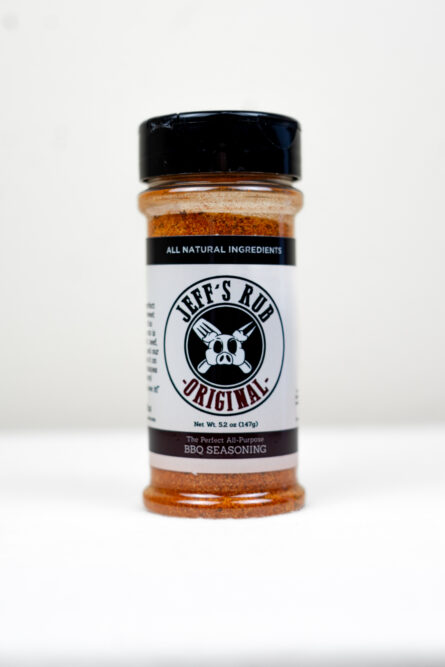
I use my Texas Style Rub for convenience, but any salt and pepper forward rub will work well. If you prefer to make your own, a simple blend of coarse kosher salt, coarse black pepper, garlic powder, and onion powder creates an excellent Texas style seasoning.
Instead of yellow mustard as a binder, I use Worcestershire sauce. It adds another layer of savory flavor and helps the seasoning stick to the meat while contributing to a rich, flavorful bark during the cook.
Why Worcestershire Sauce Instead of Mustard?
Many pork butt recipes use yellow mustard as a binder to help the seasoning stick, but for this Texas style version I prefer Worcestershire sauce.
The rich, savory flavor complements the salt, pepper, and garlic profile of the rub without adding sweetness. It also helps create a beautifully seasoned bark while allowing the natural pork flavor to remain front and center.
Don't worry if you're not a fan of Worcestershire sauce by itself. Once the pork butt is smoked low and slow, you won't taste the sauce specifically. It simply becomes another layer of flavor in the finished bark.
If you prefer mustard, feel free to use it instead. The difference is subtle, and both methods work well.
Season the Pork Butt
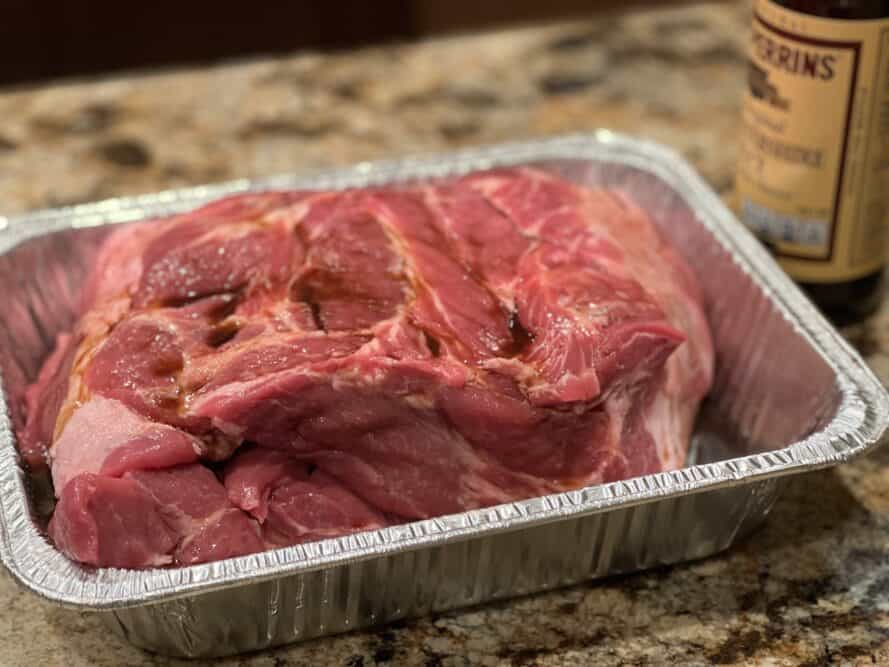
Place the pork butt into a half size foil pan with the fat cap facing down. I prefer fat side down because it helps protect the meat during the cook and makes cleanup easier later.
Coat the entire surface of the pork butt with Worcestershire sauce. This acts as a binder to help the seasoning adhere while adding another layer of savory flavor to the bark. If your pork butt is boneless, be sure to get some Worcestershire down into the cavity where the bone was removed.
Next, apply a generous coating of Jeff's Texas Style Rub or your favorite Texas style seasoning blend over the top and sides of the meat. If you're using a boneless roast, sprinkle some seasoning into the center as well.
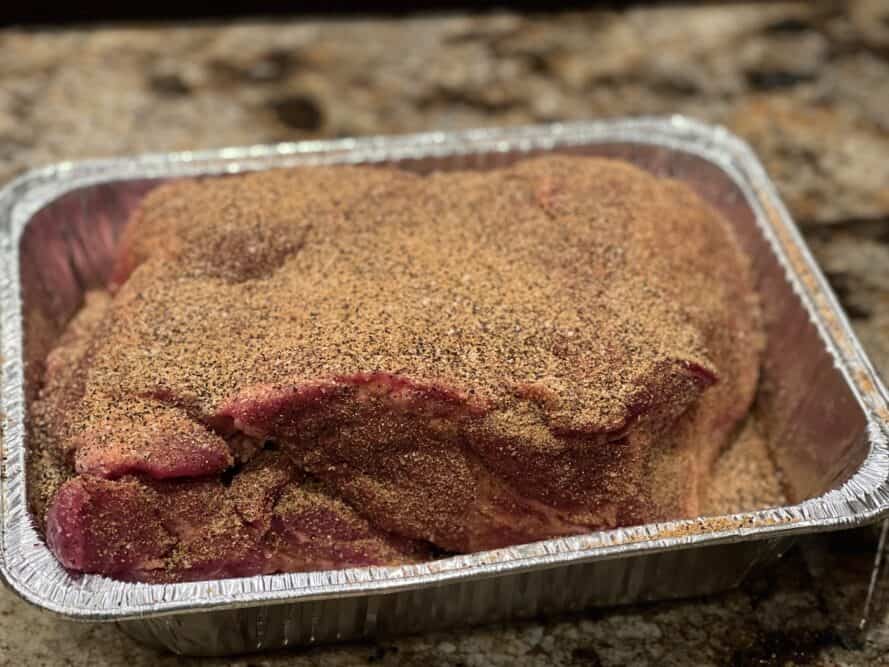
There's no need to season the fat cap unless you want to. Since much of that fat will be discarded after cooking, I usually save my seasoning for the meat that will actually end up on the plate.
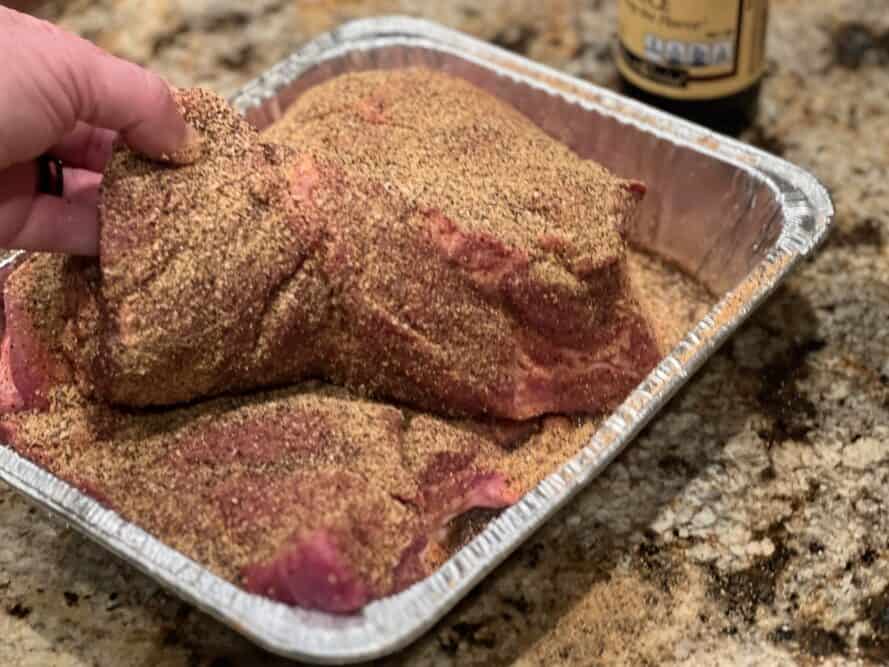
Let the Seasoning Work
Once the pork butt is seasoned, cover the pan and place it in the refrigerator for at least 8 hours or overnight.
This resting time allows the salt and seasonings to work their way into the surface of the meat while helping form the flavorful bark that Texas style barbecue is known for. While you can cook it immediately if you're short on time, the overnight rest is well worth the wait.
Remove the pork butt from the refrigerator while you prepare the smoker so it can begin losing a little of its chill before cooking.
Smoker Setup
This recipe works on just about any smoker including pellet grills, offsets, charcoal smokers, electric smokers, drum smokers, and ceramic cookers.
For this cook I used a Pit Barrel Cooker because it runs a little hotter than many traditional smokers and produces excellent smoke flavor with very little babysitting.
For the most authentic Texas style flavor, use mostly oak with a small amount of mesquite mixed in. If oak isn't available, hickory is an excellent substitute.
I recommend cooking at 275°F (135°C) if possible. This temperature helps develop a beautiful bark while shortening the overall cook time compared to traditional low and slow temperatures.
If your smoker uses a water pan, fill it before cooking. Once the smoker is running at your target temperature and producing clean smoke, you're ready to cook.
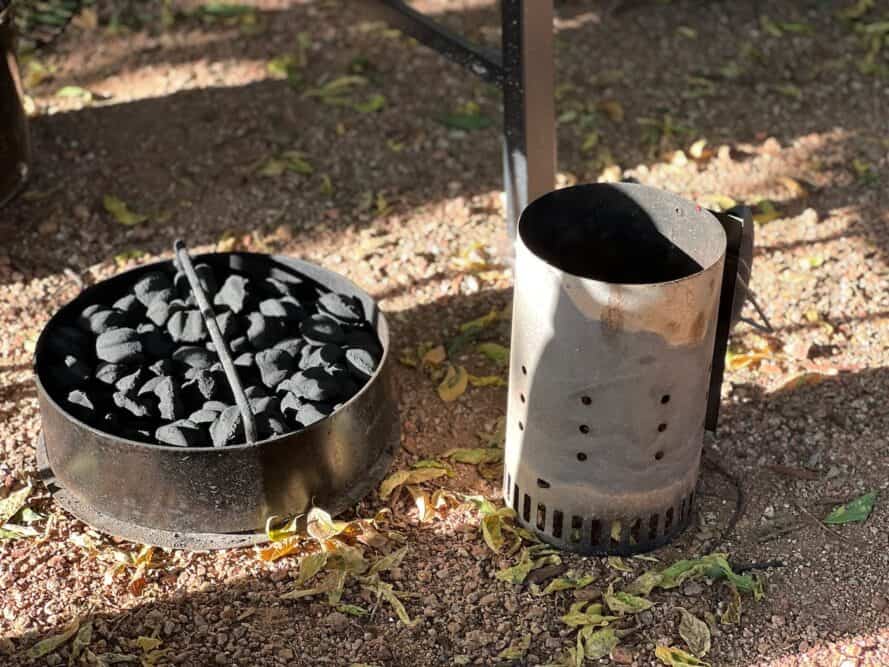
 Get the charcoal going
- Add some oak and mesquite chunks
Smoke the Pork Butt
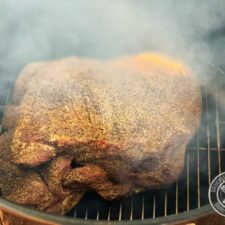
Place the pork butt directly on the smoker grate with the fat cap facing down.
- Place the meat and replace the bars
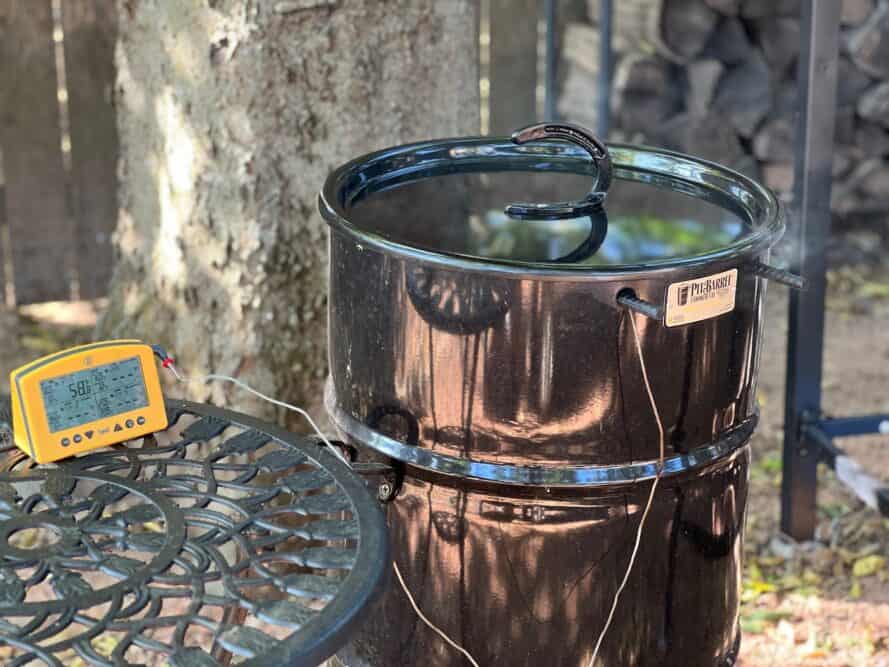
- Lid on top
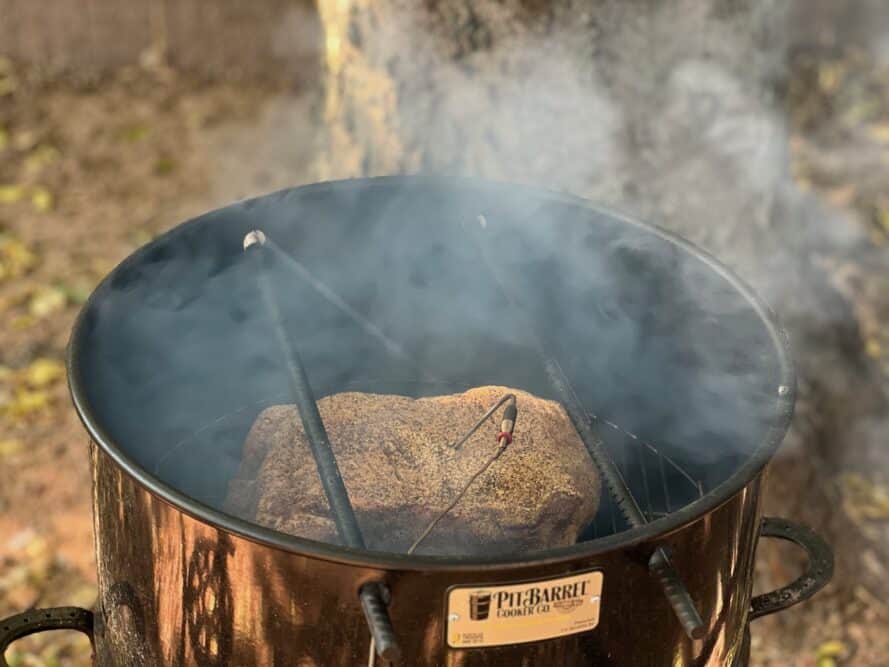
If you're using a charcoal smoker, drum smoker, or any cooker where the heat source is below the meat, the fat cap helps protect the pork from the direct heat. If the meat sticks to the grate during the cook, you'll lose a little fat instead of losing some of that delicious bark.
Let the pork butt smoke until it reaches an internal temperature of about 160°F (71°C) or develops a deep mahogany color on the outside.
During the cook, I like to occasionally spritz or baste the exterior with Worcestershire sauce. This helps keep the surface slightly moist, encourages smoke adhesion, and contributes to the rich bark that makes this recipe so good.
Don't worry if the internal temperature seems to stall for a while. That's completely normal with pork butt and simply means moisture is evaporating from the surface at about the same rate the meat is heating up.
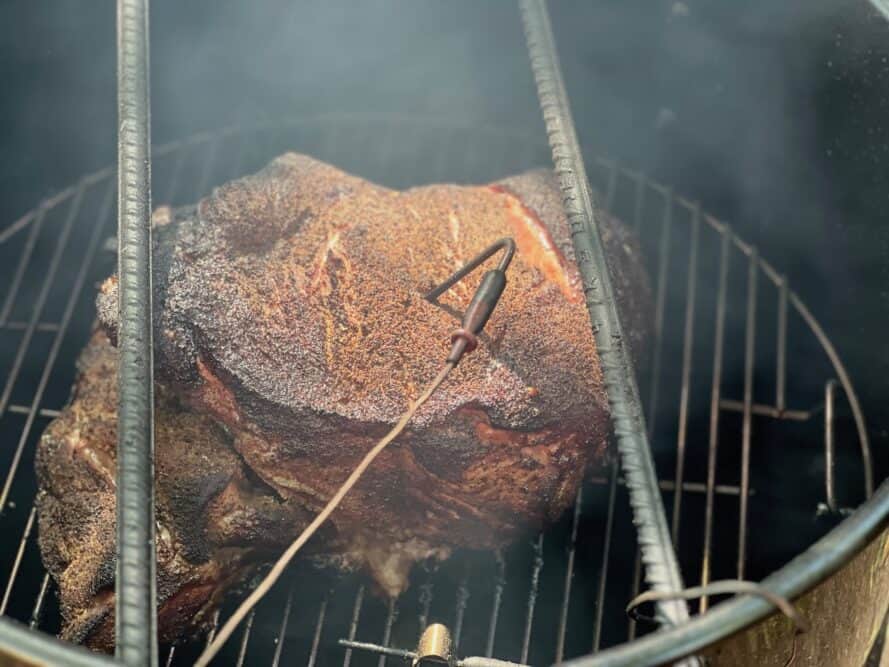
Jeff's Tip: If you're using a remote thermometer, start monitoring the pork butt early in the cook. Knowing exactly what's happening inside the meat makes it much easier to plan your day and prevents surprises later on.
Wrap the Pork Butt
Once the pork butt reaches about 160°F (71°C) and the bark has developed a rich mahogany color, it's time to wrap.
I usually place the pork butt into a half size foil pan and cover it tightly with heavy duty foil. Wrapping helps push the meat through the stall, speeds up the cook, and keeps the pork incredibly juicy.
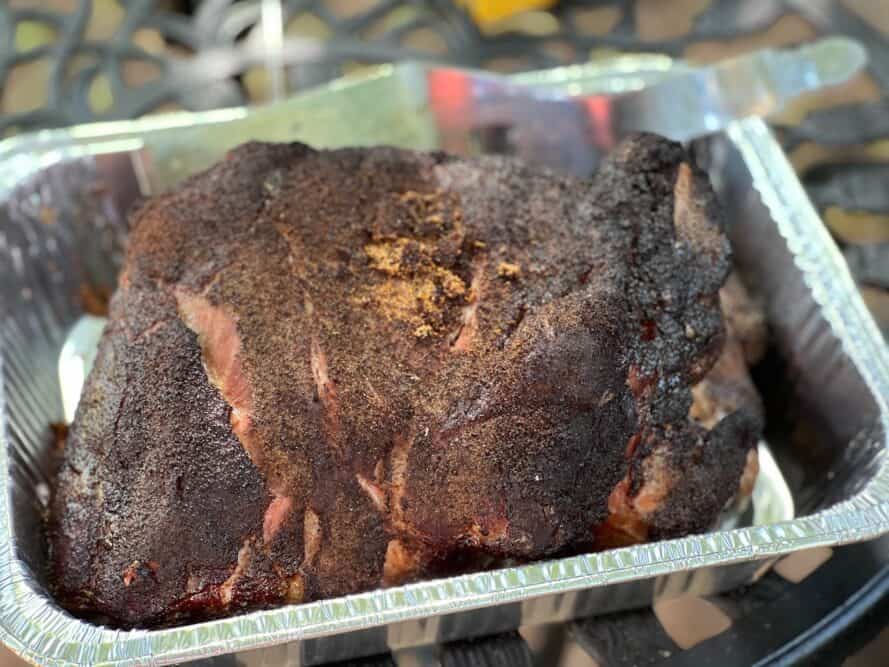
You can also wrap the pork butt in unwaxed butcher paper if you prefer. Butcher paper allows a little steam to escape, preserving a firmer bark while still protecting the meat from drying out.
I prefer the foil pan method because it catches every bit of the rendered juices, supports the meat when it's fall apart tender, keeps the smoker cleaner, and makes cleanup much easier.
Once wrapped, the pork butt can finish cooking in the smoker, on a pellet grill, or even in your kitchen oven. At this point, smoke flavor has already been established, so all you need is steady heat until it's done.
How Long Does It Take?
The total cooking time depends on the size of the pork butt, the cooking temperature, and how long the stall lasts.
As a general guideline:
- 225°F (107°C): 12 to 14 hours
- 250°F (121°C): 8 to 10 hours
- 275°F (135°C): 6 to 8 hours
- 300°F (149°C): 5 to 6 hours
These times are only estimates. Every pork butt cooks a little differently, so use your thermometer as your guide and cook until the meat is probe tender rather than relying strictly on the clock.
Jeff's Tip: I don't cook pork butt to a specific time. I cook it until a temperature probe slides into the meat with almost no resistance, usually around 205°F to 207°F (96°C to 97°C). That's when you know it's ready to pull.
Rest the Pork Butt
When the pork butt reaches an internal temperature of about 207°F (97°C) and feels probe tender, remove it from the heat and let it rest before pulling or slicing.
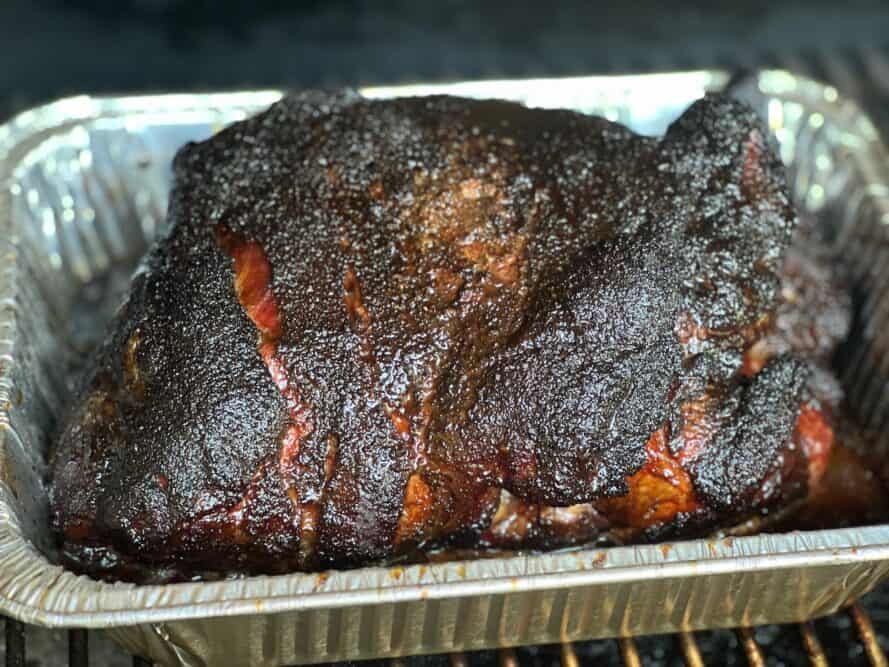
A one hour rest is plenty, but if your meal timing changes, don't worry. A wrapped pork butt can be held for several hours and will still be piping hot when you're ready to serve.
To hold it longer, place the foil covered pan into an empty cooler and cover it with towels or blankets before closing the lid. This insulated environment will keep the meat hot for up to 4 hours while allowing the juices to redistribute throughout the roast.
The longer rest also makes the pork easier to pull and helps keep it exceptionally moist.
Pull, Slice, or Chop
Once the pork butt has rested, remove the foil and transfer the meat to a large pan or cutting board.
If you're making pulled pork, simply grab two forks or a pair of meat claws and pull it into bite sized pieces, discarding any large pockets of fat as you go.
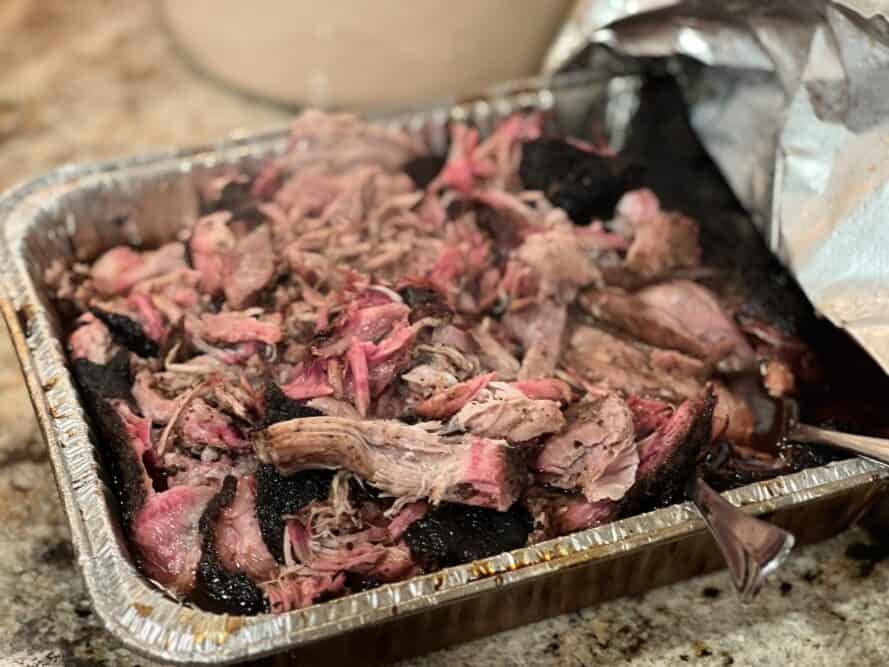
Texas style pork butt is also excellent sliced or chopped instead of pulled. The savory seasoning and rich bark make it perfect for sandwiches, tacos, barbecue platters, nachos, baked potatoes, or just piled onto a plate with your favorite sides.
Be sure to mix some of the rendered juices from the pan back into the meat before serving. Those flavorful juices add moisture and incredible flavor.
Serve and Enjoy
Serve the pork as is or offer warm barbecue sauce on the side so everyone can customize their own plate.
Texas style pork butt is fantastic on sandwiches, tacos, nachos, baked potatoes, sliders, burritos, and barbecue platters, but it's just as good enjoyed all by itself with classic sides like baked beans, coleslaw, potato salad, or smoked mac and cheese.
However you serve it, don't expect leftovers to last very long.
Common Mistakes When Smoking Pork Butt
One of the biggest mistakes is pulling the pork butt off the smoker too early. While it's technically safe to eat at a much lower temperature, the connective tissue hasn't fully broken down until the meat reaches around 205°F to 207°F (96°C to 97°C). That's what gives pulled pork its signature tenderness.
Another common mistake is cooking strictly by time instead of temperature. Every pork butt is different, and factors such as size, fat content, outdoor temperature, and smoker performance can all affect the total cooking time. Let the meat tell you when it's done instead of watching the clock.
Many people also skip the resting period because they're hungry and ready to eat. As tempting as that may be, resting allows the juices to redistribute throughout the meat and makes the finished pork even more tender and flavorful.
Finally, don't overthink the seasoning. Texas style barbecue is intentionally simple. The smoke, pork, and bark should be the stars of the show, with the seasoning supporting those flavors instead of covering them up.
Frequently Asked Questions
Can I smoke a pork butt at 225°F (107°C) instead of 275°F (135°C)?
Absolutely. Cooking at 225°F (107°C) works great and produces excellent pulled pork. It simply takes longer to finish than cooking at 275°F (135°C).
Should I wrap pork butt in foil or butcher paper?
Either works well. Foil speeds up the cook and retains more moisture, while butcher paper preserves a slightly firmer bark by allowing some steam to escape.
Can I make this recipe on a pellet grill?
Yes. Pellet grills are excellent for smoking pork butt because they maintain steady temperatures with very little effort.
Can I slice this pork butt instead of pulling it?
Yes. Thanks to the savory Texas style rub and rich bark, this pork butt is delicious pulled, chopped, or sliced depending on how you plan to serve it.
Storage and Reheating
Leftover Texas style pork butt stores exceptionally well, making it one of my favorite barbecue meats for meal prep.
Store the cooled pork in an airtight container in the refrigerator for up to 4 days. For the best flavor and moisture, save some of the cooking juices from the pan and mix them into the meat before storing.
For longer storage, portion the pork into freezer bags or airtight containers and freeze for up to 3 months. I like to freeze it in meal sized portions so it's easy to thaw exactly what I need.
To reheat, warm the pork gently in a covered pan with a splash of the reserved juices, apple juice, or chicken broth until hot. You can also microwave it in short intervals, stirring occasionally to keep it from drying out.
Leftover pork butt is fantastic on sandwiches, tacos, nachos, baked potatoes, pizza, quesadillas, breakfast burritos, and even mixed into baked beans.
Final Thoughts
If you've always associated pork butt with sweet rubs and sugary barbecue sauces, this Texas style version may surprise you. The simple seasoning lets the pork, smoke, and bark take center stage while producing incredibly juicy meat that's packed with flavor.
Whether you pull it, chop it, or slice it, this recipe is a great way to experience pork butt from a different perspective. Give it a try and don't be afraid to make it your own with your favorite wood, seasoning, or serving style.
If you make this recipe, I'd love to hear how it turned out and what you served it with.
Smoked Pork Butt (Texas Style Recipe)
Ingredients
- 1 pork butt
- 2 cups Worcestershire sauce
- ½ cup Jeff's Texas Style Rub
- Jeff's Barbecue Sauce for serving (optional)
Instructions
- Coat the pork butt with Worcestershire sauce on all sides.
- Apply a generous coating of Texas style seasoning over the entire roast.
- Cover and refrigerate for at least 8 hours or overnight.
- Preheat the smoker to 275°F (135°C) using oak with a little mesquite or hickory if desired.
- Smoke the pork butt until it reaches about 160°F (71°C) and develops a deep mahogany bark.
- Wrap tightly in a foil pan with heavy duty foil or unwaxed butcher paper.
- Continue cooking until the internal temperature reaches about 207°F (97°C) and the meat is probe tender.
- Rest for at least 1 hour.
- Pull, chop, or slice the pork and mix in some of the rendered juices before serving.
- Serve with barbecue sauce on the side if desired.
Notes
More Pork Recipes You'll Love
Butterflied Pork Butts in the Smoker
Cherry Dr Pepper Pulled Pork for Game Day
Hot and Fast Smoked Pork Butt (Ready in About 5 Hours)
Don’t Lose This Recipe
Enter your email and I’ll send a link to this recipe straight to your inbox so you can find it anytime.
Join the Smoking Meat Community
Got a question about this cook or want to share your results?
Join the conversation with other backyard pitmasters.

Followed to a T except 1/4 tsp vs 1/2 on cyanne. EXCELLENT. It was a small butt (I like small butts and I cannot….) anyway I brought in from 225 degree smoker after 10 hrs modearte mesquite and cherry smoke and finished in oven for another 10 hrs at 225 all the way, except the last hr I bumped to 270 trying to get it to that last temp threshold but 196 will do. Just stole a piece of crust and OMG I done good. TY Jeff.
Jeff, does the pork butt stay in the sauce the whole time cooking?
Question… are you smoking it in the pan or direct on the grate’s?
Larry, I place it directly on the grates until it reaches about 160°F (71°C) then I place it in the pan and cover with foil to finish.
I have used this recipe often. I also substitute with a picnic shoulder (5-8lbs).
Personally I like the texture (less fatty) of a picnic roast, it pulls like a charm and has
great pork flavor. What a luxury, you have all those smokers, grills. Love your site, don’t comment often.
The recipe looks good but your website is terrible, it resizes everything when your scroll
My 3 pound butt is in the smoker still after 12 hours at 275! Just reached 195 finally (has been in foil since 160). Why do you think it’s taking so long? Could it be because I’m at 6700 altitude?
I usually smoke mine for around 19 hours to get it the right temp. Just let it roll until you get there. Or you could move it into the oven to finish up since the smoke flavor is already set after the first few hours.
7000 ft here and i am at 20 hr and gave up at 196, still excellent!
I just made this tonight after four days stranded in the house in Arctic conditions! Bone in Boston butt on the Green Egg. Recipe is spot on! I used Dale’s Steak seasoning instead of the Worcestershire and it was delicious!! Bark was incredible and repeated pours of Dale’s while cooking kept it nice and moist! I totally agree with using the foil pan with wrap as opposed to just wrapping it without the pan. Another incredible recipe!!! Thanks Jeff!!
What size butt do you usually use for smoking pulled pork?
The ones I have access to usually run between 6-9 lbs. Often these are double-packed do you’ll see weights like 13-16 lbs but it’s usually 2 butts in the same package.
Fat side down when you crutch?
Yes. I don’t know if it matters a whole lot once it gets into the foil, but that’s my method.
Probably dumb question, but after I remove the butt should I leave it covered or or take foil off during the 1 hr rest
No dumb questions around here except the ones you don’t ask;-)
Leave it tightly wrapped with foil during the rest so the heat can stay intact and continue to tenderize the meat.
I love traditional pulled pork, Carolina style, but I have to say, this was an excellent change of pace and it was the first time I used a boneless shoulder. Nice. I will have to see if they have those from now on. Suggestions on buns, slaw, or sides? Maybe I missed that….keep it up and Smoke on!
Bob from Vienna
Was wondering how long you keep the smoke on the meat. Is it half the cook time
Jim, as a general rule, if I am using a smoker that requires me to add wood chips or chunks, I’ll do that for about half the estimated cook time and that tends to be about perfect.
This recipe is simple and great. I only made a couple modifications, one voluntary, one under duress. I used 50 percent cherry to lighten up the mesquite. And I couldn’t keep my wife waiting an hour before I pulled the meat, mixed in some jus from the pan, and made her a sandwich (just a burger bun with bread and butter pickle slices and cole slaw on the side). This recipe is my favorite use of Jeff’s Texas rub so far. My favorite recipe using Jeff’s Original is another simple one: Hot Smoked Salmon on a Stick. Looks like a Surf and Turf menu for the Fourth of July.
Hello Jeff:
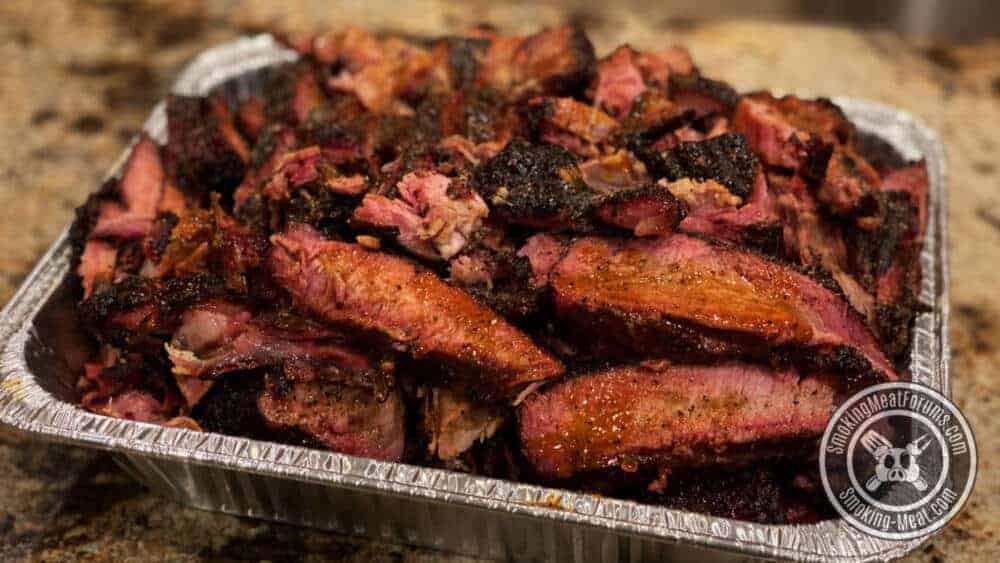
Sitting here contemplating bourbon and Bar-B-Q. I have a liking for the outside bark that forms on these smoked Pork buts. Have you thought of cutting a butt in half or in quarters to smoke? I’m thinking the total time would be less as the pieces would be smaller and I would have about 4 times the dark crispy bark on the outside. Make any sense to you?
I made this recipe on my Grilla Silverbac pellet grill. I trimmed most of the fat cap from the boston butt prior to seasoning though since we don’t like as much fat. Smoked with oak, hickory, mesquite blend and used a smoke tube as well. It came out perfect! It was so good we didn’t bother with any sauce. My 19 year old son said, “This is the best BBQ I have had in my whole life!”
I’m doing a pork butt on a Bradley Electric Smoker for Thanksgiving. Oven temp is set at 280 and after 6 hours it has an internal temperature of 150. I will let it smoke for another hour and then wrap in foil and put it into the oven to finish it off.
Jeff, Thanks for sharing all your wonderful recipes. They are all fantastic.
Lately I have been using an ORION COOKER for butts, brisket and ribs.
Have you had the opportunity to try one? The cooker is new to me (been using about 1 year) and I am really starting to like it…
Just curious as to your thoughts.
Mel
I have one.. haven’t used it as much as I’d like to. Perhaps I need to give it some much needed attention.
This is happening tomorrow folks…. looks incredible
What is the time between douses of Worcestershire sauce?
Sam, I went out there about every hour and doused it but you could do it more often if you wanted. A couple of times during the cook should be plenty or anytime it starts looking dry.
If I follow your directions (smoker at 275) till but is at 160 and then into oven at 300F, what are total times (how long in smoker and how long in oven)? Would help with planning, thx
Should take about 2.5 to 3 hours to reach 160°F (71°C) when you’re cooking at ~275°F (135°C). This will vary depending on how cold the meat is when it goes on and how thick the meat is but should give you something to help with planning.