

Smoking Equipment and Supplies
Smoking Basics eCourse • Chapter 4 of 5
You can spend a little or a whole lot on outdoor cooking equipment, and both approaches can produce some mighty good food. The trick is knowing which tools solve a real problem and which ones are simply something else to find room for in the garage.
In this chapter, we’ll cover the main types of smokers, the thermometers you need and the tools that make preparation and cooking easier. If you already have a smoker, start by learning it well instead of assuming a more expensive one is the missing ingredient.
Start with a Short List of Essentials
For a basic cook, you need a suitable smoker or covered grill set up for indirect cooking, the correct fuel, a way to measure the cooking temperature and a food thermometer to check the meat. Add sturdy tongs, heat protection, a clean preparation area and pans or platters for carrying food.
Everything else should earn its place by making your particular style of cooking easier. A rib rack is useful when grate space is tight, but it will not help nearly as much as a dependable thermometer if you are still guessing when the chicken is done.
Choose a Smoker That Fits the Way You Cook
Think about how many people you usually feed, how much space you have, what fuels you can store and how much time you want to spend tending a fire. A smoker that fits six racks of ribs is wonderful if you use that capacity, but unnecessary space can cost more to buy, heat and maintain.
Look at the usable grate dimensions rather than just the advertised total square inches. Several small shelves may not hold a whole brisket the way one wide grate does, and the food still needs room around it for heat and smoke to circulate.
You will also want a practical way to remove ash or grease, replenish the fuel and reach the food without emptying the whole cooker. If you are buying used, check the condition of the grates, firebox, electrical parts or gas system, and make sure the model’s manual and needed replacement parts are available.
My guide to smoker types goes deeper into these choices. Here is how I would think about the main categories.
Charcoal Smokers and Kettle Grills
Charcoal is a good choice if you enjoy working with a fire and want to learn how airflow affects cooking temperature. A vertical charcoal smoker holds fuel below the food, while a kettle grill can cook indirectly with charcoal arranged to one side or in a suitable long-burning setup.
I have used the Weber Smoky Mountain for years and like how well that style of cooker works once you learn its fuel and vent settings. The size that makes sense depends on the food you want to fit, not simply how many people usually sit at your table.
A kettle is also worth considering if you want one cooker that can grill burgers and smoke a pork butt. Whichever style you use, plan for ash cleanup, safe charcoal lighting and enough time to learn how it responds before promising dinner at a precise hour.
Gas and Propane Smokers
A gas smoker uses a burner for heat and usually a separate tray or box of wood for smoke flavor. It is a practical choice when you want more direct control of the heat without building a charcoal or wood fire for every cook.
Look for a unit that can maintain the temperature range your recipes need, has accessible controls and allows you to replenish wood without making a production out of opening the main cooking area. Wind and cold weather can affect its performance, so learn its limits before loading it with food.
Keep enough fuel on hand for the entire cook, since tank life depends on the burner, weather and temperature setting. Use only the approved fuel and regulator, check connections according to the manual, and have a qualified person handle any natural-gas installation or conversion. Do not improvise a different burner because the cooker is struggling.
Electric Smokers
An electric smoker uses a heating element for heat and wood in a designated tray or feeding system for smoke. Many cabinet models are easy to control and hold a steady cooking temperature, which makes them appealing when you want a straightforward place to start.
The amount of attention they need varies. Some require frequent chip additions, while others use a separate feeding system to supply smoke for longer periods. Check the actual wood-loading instructions, because pellets are not a substitute for chips in every electric smoker.
Consider the maximum temperature as well as the low setting, particularly if crisp poultry skin is important to you. Follow the manufacturer’s electrical and weather precautions, use an appropriate outdoor power supply and keep the smoker out of enclosed spaces even though the heat is electric.
Pellet Smokers
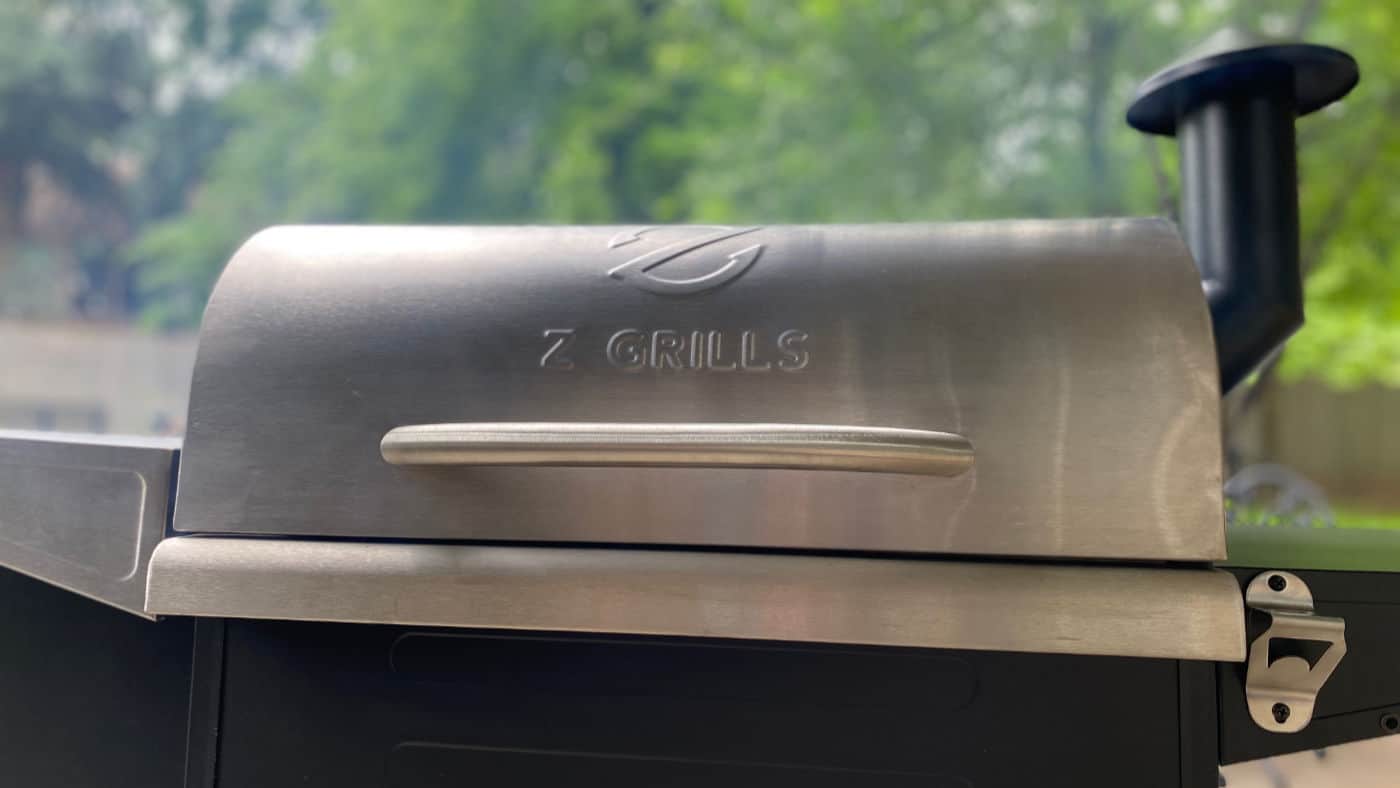
A pellet smoker feeds hardwood cooking pellets into a burn pot, using a controller, auger and fan to manage the fire. It gives you wood-fired cooking with less day-to-day fire tending than an offset, although it still needs electricity, cleaning and someone paying attention to the cook.
Look at the cooker’s useful temperature range, grate arrangement and cleanup process. Ash accumulation in the burn pot and grease buildup elsewhere can cause trouble, so easy access to those areas is more valuable than another feature you may never use.
Use food-grade barbecue pellets, keep them dry, and follow the startup and shutdown procedures. Heating pellets for home appliances do not belong in a cooking hopper, and you should not restart a smoker after a failed ignition without following its instructions for clearing excess fuel.
Remote monitoring can be convenient, but it does not make a cooker safe to operate without supervision. A phone connection is a helpful tool rather than a replacement for checking fuel, grease, temperature and the food itself.
Wood-Fired Offset Smokers
An offset typically has a firebox beside the cooking chamber, with heat and smoke moving across the food toward an exhaust. A well-managed wood fire gives food a character I really enjoy, and it is a style of cooking I find especially satisfying.
It also asks more of you. You need suitable wood, storage space, a clean-burning fire and time to add fuel and make adjustments. Metal thickness, construction and airflow affect how evenly the smoker cooks and how well it holds heat in changing weather.
I enjoy cooking on my Lone Star Grillz offset, but that does not mean a beginner needs to buy a heavy offset to make good barbecue. Choose one because you want the experience of tending a wood fire and the cooker fits your budget, rather than because another style somehow does not count.
Thermometers Are Essential Equipment
You need to know two different temperatures: the air near the food and the inside of the meat. A built-in lid gauge may be several inches above the cooking grate, so it can tell a different story from the temperature the food is experiencing.
A leave-in thermometer such as the ThermoWorks Smoke two-channel thermometer lets you monitor the smoker or a large cut during the cook. An instant-read thermometer such as the Thermapen One helps you check several places quickly before serving, and the two tools work well together. A probe left in one spot cannot tell you whether every part of a whole bird has reached a safe temperature.
Choose probes and cables rated for the temperatures you will use, place them according to their instructions and keep them away from direct flame unless specifically designed for it. Clean the food-contact parts properly, and check thermometer accuracy using the manufacturer’s recommended method.
ThermoWorks and FireBoard are brands I have used and like, but the main requirement is a reliable instrument you know how to use. You can compare options in my digital meat thermometer guide without feeling that you must buy the most expensive model.
Fire Starters and Fuel Storage
For charcoal, a sturdy chimney and approved starter are a simple combination. Choose a chimney size that suits the amount of charcoal you typically light, and keep heat-resistant gloves nearby before you need to pour it.
Store charcoal and pellets somewhere dry, and give wood splits adequate airflow while they season. Buy known cooking wood rather than unidentified scrap, and avoid painted, treated or contaminated material. Larger wood does not become ready on one universal calendar; species, split size and storage conditions all affect how quickly it dries.
Keep fuel supplies away from the hot cooker and follow the storage instructions for propane cylinders. Enough fuel for a long cook is useful, but a spare supply sitting against the firebox is not.
Gloves, Tongs, Knives and Preparation Tools
Use heat-resistant gloves for hot grates, pans and cooker parts, and understand what the gloves are actually rated to handle. Thin disposable food-preparation gloves are not burn protection, and an insulated glove that becomes wet may no longer protect you the way you expect.
I reach for sturdy tongs more than almost anything else, but support a heavy brisket or pork butt with a suitable pan or broad lifting tools instead of trusting the whole load to one grip. A sharp trimming knife, a clean cutting board and kitchen shears for poultry make preparation easier as well.
An apron keeps grease and seasoning off your clothes, and washable trays help separate raw-food preparation from serving. Have a clean platter ready for cooked meat rather than putting it back on the one that carried it out raw.
Whatever tool you use to clean the grates, inspect the cooking surface afterward and remove debris before adding food. If you use a wire-bristle brush, check carefully for loose bristles that could be left behind.
Pans, Racks and Holders
I like using a rack inside a pan because I can prepare food in the kitchen and carry the whole setup to the smoker. The pan catches drips and the rack lifts the food above them, although the pan can also change airflow and the amount of heat reaching the underside.
Rib racks can help when you need to fit several racks upright, and holders for chicken legs, wings or stuffed jalapeños can be handy for particular recipes. Leave space between the food instead of packing the cooker so tightly that heat and smoke cannot move.
Disposable aluminum pans make cleanup easy, but support them from underneath when carrying heavy meat or hot liquid. A bent pan full of pork juices is not the kind of excitement you want on the walk back to the kitchen.
Most specialty racks are conveniences. Start with the equipment that makes your normal cooks easier, then add the clever holders when you know you will actually use them.
Your Chapter 4 Assignment
Lay out what you already own and make two short lists: what you need before the next cook, and what would simply be nice to have. Give temperature measurement, safe handling and the correct fuel priority over accessories.
Read your smoker’s startup, cleanup and shutdown instructions, check that your thermometers work, and make sure your next piece of meat fits with room around it. That preparation will do more for your confidence than a shopping cart full of gadgets.
Watch for tomorrow’s email: In the final chapter, we’ll put the process together and talk about knowing when meat is safely cooked and properly tender. I’ll send the lesson link in your next course email.
